Harnessing AI for Cybersecurity: Securing Against Software Vulnerabilities
AI is revolutionizing cybersecurity by improving vulnerability detection and response. Discover strategies to protect your organization from emerging software threats.
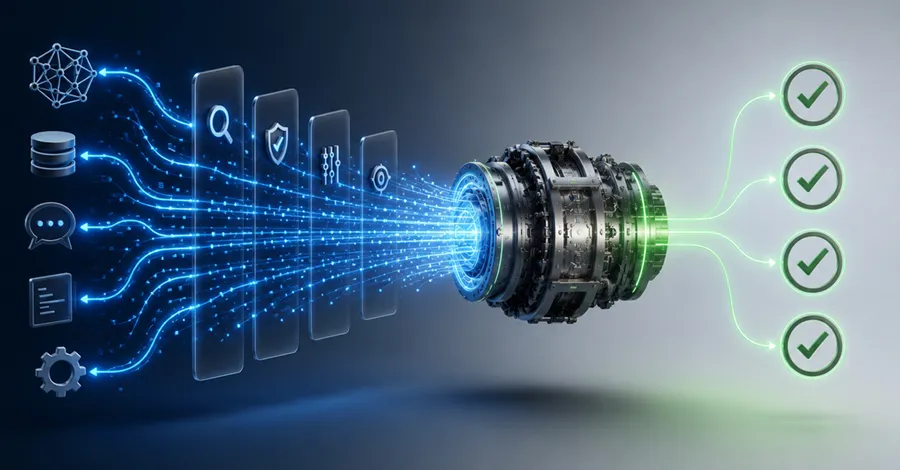
As the digital landscape evolves, so too do the threats that businesses face. Cybersecurity is no longer just a matter of implementing firewalls and antivirus software; it has become a multi-layered strategy that must incorporate the latest advancements in technology. Among these, Artificial Intelligence (AI) stands out as a transformative force. It is revolutionizing how organizations detect and respond to vulnerabilities in their software, enabling them to stay one step ahead of cybercriminals. In this article, we will explore how AI enhances cybersecurity workflows and outline five essential steps organizations can take to secure themselves against software vulnerabilities.
The Role of AI in Cybersecurity
AI has proven to be a game changer in the realm of cybersecurity. Traditional security measures often involve manual processes that can be slow and error-prone. AI, on the other hand, leverages machine learning algorithms to analyze vast amounts of data in real-time, identifying patterns and anomalies that signify potential threats. This capability allows for proactive threat detection rather than merely reactive responses.
Understanding AI Workflows
AI workflows in cybersecurity typically involve several stages:
- Data Collection: Gathering data from various sources, including network traffic, user behavior, and system logs.
- Data Analysis: Using machine learning models to analyze the data for anomalies and potential vulnerabilities.
- Threat Detection: Identifying threats based on the analysis and flagging them for review.
- Automated Response: Implementing immediate action to mitigate threats, such as blocking malicious IP addresses.
- Continuous Learning: AI systems learn from new data, improving their detection capabilities over time.

Five Steps to Secure Against Software Vulnerabilities
While AI provides powerful tools for enhancing cybersecurity, organizations must also adopt proactive strategies to fortify their defenses. Here are five actionable steps that businesses can take:
1. Conduct Regular Vulnerability Assessments
Regular vulnerability assessments are crucial for identifying potential weaknesses in your software. These assessments should be automated where possible, employing AI models that can scan your systems for known vulnerabilities and recommend remediation actions. The frequency of these assessments should align with your software development lifecycle; for instance, after significant updates or releases.
2. Implement AI-Powered Threat Intelligence
Integrating AI-powered threat intelligence platforms can significantly enhance your security posture. These platforms aggregate threat data from various sources, providing real-time insights into emerging threats. By leveraging AI, organizations can prioritize vulnerabilities based on their potential impact, allowing security teams to focus their efforts where they are most needed.
3. Automate Patch Management
Timely patching of software vulnerabilities is essential for maintaining security. However, manual patch management can be labor-intensive and prone to oversight. By automating the patch management process using AI-driven systems, organizations can ensure that vulnerabilities are addressed promptly, reducing the window of exposure to cyber threats.
4. Enhance Security Training and Awareness
Even the most sophisticated AI systems cannot replace the need for human vigilance. Regular training and awareness programs for employees can significantly reduce the risk of human error, which is often a weak link in cybersecurity. Training should cover best practices in recognizing phishing attempts and secure password management.
5. Establish an Incident Response Plan
Having a well-defined incident response plan is critical for minimizing damage in the event of a security breach. This plan should outline the roles and responsibilities of team members, communication protocols, and steps for containment and recovery. Incorporating AI into your incident response can speed up detection and response times, improving overall effectiveness.

The Future of Cybersecurity with AI
The integration of AI into cybersecurity is not just a trend; it is a necessity. As cyber threats continue to evolve in complexity and frequency, organizations must adopt advanced technologies to protect their assets effectively. AI allows for a level of automation and analysis that is simply unattainable with traditional methods, providing organizations with the agility needed to respond to threats as they emerge.
AI as a Validation Engine
One of the most significant advantages of AI in cybersecurity is its ability to act as a validation engine. By continuously learning from new data and adapting to the changing threat landscape, AI systems can validate the effectiveness of security measures in real-time. This ensures that organizations not only identify vulnerabilities but also understand the context and severity of these threats, guiding them in prioritizing their response efforts.

Key Takeaways
- AI is transforming cybersecurity by enabling real-time threat detection and response.
- Regular vulnerability assessments and AI-powered threat intelligence are essential for proactive security.
- Automating patch management and incident response improves organizational resilience against attacks.
- Employee training is crucial for mitigating human error in cybersecurity practices.
- AI acts as a validation engine, continuously improving the effectiveness of security measures.
Frequently Asked Questions
What are the main benefits of using AI in cybersecurity?
The primary benefits of using AI in cybersecurity include enhanced threat detection, improved response times, and the ability to analyze vast amounts of data quickly. AI systems can identify patterns and anomalies that human analysts might miss, allowing organizations to respond to threats more effectively and efficiently.
How can organizations implement AI in their cybersecurity strategies?
Organizations can implement AI in their cybersecurity strategies by integrating AI-powered tools and platforms that facilitate threat detection, vulnerability assessment, and incident response. It is also essential to train staff on the use of these tools and to continuously evaluate and refine AI systems to ensure they remain effective against evolving threats.
What challenges do organizations face when adopting AI for cybersecurity?
Some challenges organizations may face when adopting AI for cybersecurity include the complexity of integrating AI tools into existing systems, the need for skilled personnel to manage these technologies, and potential data privacy concerns. Organizations must address these challenges through careful planning, investment in training, and compliance with relevant regulations.
Comments
Understanding ShinyHunters: Attack Paths and Safeguarding Your Business
Microsoft's analysis of ShinyHunters highlights various attack paths that can pose significant risks to organizations. This article delves into these vulnerabilities and offers actionable steps for enhanced cybersecurity.
Related articles


Popular in Cybersecurity
- Federal Mandate for Autonomous Vehicles: A Call for Safety Compliance
- EU Mandates Google to Share Data and Open AI on Android: What It Means
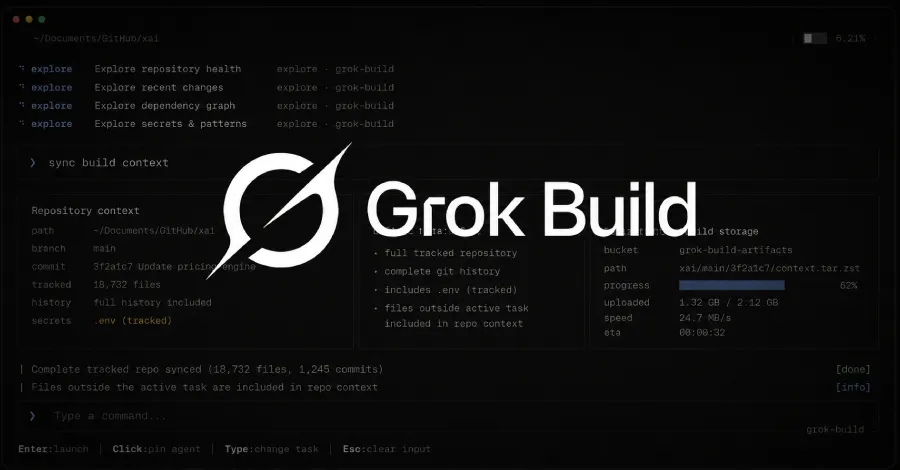
- GitHub Revamps Bug Bounty Program: Implications for Developers and Security
- Australian Government Disables Thousands of Functional Broadband Routers: A Wasteful Decision
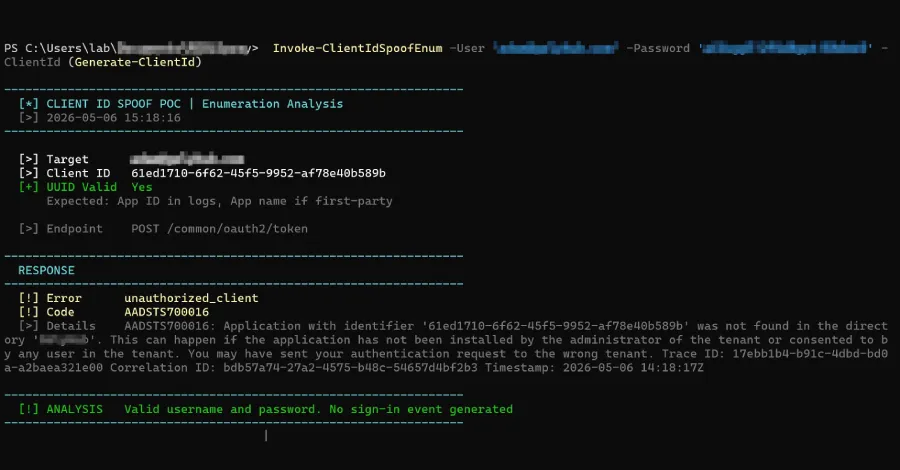
- Exploiting Redis: Understanding Zero-Day Vulnerabilities and Their Mitigation