Address Leaks and Tracking Risks in Crypto Wallet Extensions: A Deep Dive
A recent study of 85 crypto wallet extensions reveals critical address leaks and cross-site tracking vulnerabilities, highlighting the need for stronger security measures. This article explores the implications of these findings and offers actionable steps for users and developers.
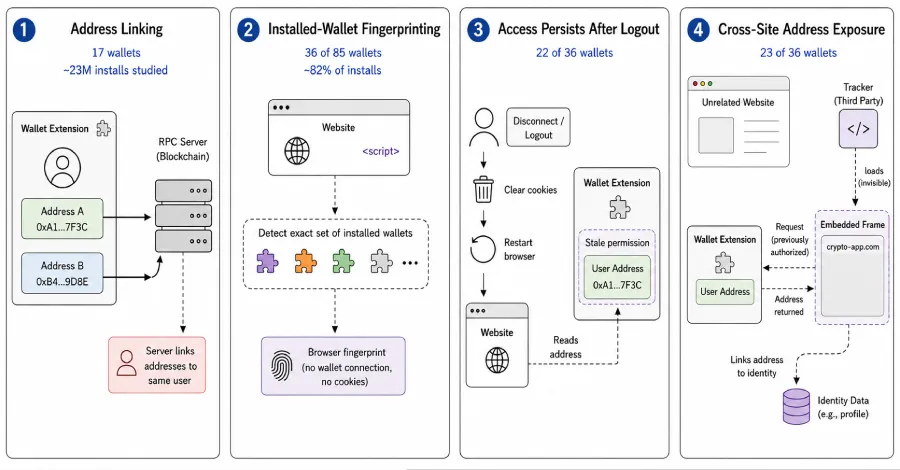
In the rapidly evolving world of cryptocurrency, where digital assets are traded and stored with increasing frequency, the security of crypto wallet extensions has become a paramount concern. A recent study analyzing 85 popular crypto wallet extensions has unveiled alarming vulnerabilities, including address leaks and cross-site tracking risks, which could jeopardize user privacy and the integrity of their digital transactions. This revelation serves as a critical reminder of the importance of robust cybersecurity measures in the realm of digital finance.
As more individuals and organizations adopt cryptocurrency for transactions, investments, and as a store of value, the security of these tools cannot be overstated. The study’s findings highlight not only the potential risks associated with crypto wallet extensions but also the broader implications for users and developers alike. For anyone engaged in the crypto space, understanding these vulnerabilities and implementing necessary safeguards is essential for protecting digital assets.
Understanding the Vulnerabilities: Address Leaks and Cross-Site Tracking
The study’s findings reveal two primary areas of concern: address leaks and cross-site tracking. Address leaks occur when sensitive wallet addresses are unintentionally exposed to third parties, potentially allowing malicious actors to track user transactions and activities. This could lead to targeted phishing attacks or even theft of assets. Meanwhile, cross-site tracking poses a risk to user privacy, as it allows third parties to monitor users across different websites, leading to unwanted profiling and data collection.
The Mechanics of Address Leaks
Address leaks typically arise from poor coding practices or insufficient security protocols within the wallet extensions. When users interact with these extensions, their wallet addresses can be inadvertently exposed through various means, such as:
- Insecure API calls that reveal user data.
- JavaScript vulnerabilities that allow for data interception.
- Improper handling of user inputs leading to data exposure.
These leaks can have severe consequences, especially in a space where anonymity and security are paramount. For example, if a user's wallet address is exposed, anyone can see the transactions associated with that address on the blockchain, leading to a loss of privacy and potentially to financial loss.

The Role of Cross-Site Tracking in User Vulnerability
Cross-site tracking, on the other hand, typically leverages cookies and tracking scripts that persist across different websites. This practice, while common in many web applications, raises significant concerns in the context of crypto wallets. When a wallet extension tracks user behavior across sites, it can accumulate a wealth of data that compromises user privacy and could be exploited for targeted attacks.
Implications for Users
The implications of these vulnerabilities are profound for everyday users of crypto wallets. With the rise of decentralized finance (DeFi) and non-fungible tokens (NFTs), the stakes have never been higher. Users must remain vigilant and take proactive steps to secure their digital wallets against these risks.
Mitigating Risks: Five Steps to Secure Crypto Wallets
Given the vulnerabilities identified in the study, it is crucial for both users and developers to adopt best practices for securing crypto wallet extensions. Here are five actionable steps:
- Choose Reputable Wallet Extensions: Opt for well-reviewed wallets with a strong reputation for security. Research the development team’s track record in cybersecurity.
- Enable Two-Factor Authentication (2FA): Always activate 2FA when available to add an extra layer of protection against unauthorized access.
- Regularly Update Extensions: Keep wallet extensions updated to benefit from the latest security patches and enhancements.
- Limit Data Sharing: Be cautious about the permissions you grant to wallet extensions and avoid sharing unnecessary data.
- Educate Yourself on Security Practices: Stay informed about the latest security threats and best practices in the crypto space.
By implementing these measures, users can significantly reduce their exposure to the risks identified in the study and enhance their overall security posture.
Developer Responsibilities: Building Secure Wallet Extensions
Developers of crypto wallet extensions also share a crucial responsibility in mitigating these vulnerabilities. It is essential for them to adopt secure coding practices and to conduct regular security audits. Here are some key considerations for developers:
- Implement Security Best Practices: Utilize encryption and secure API calls to protect user data.
- Conduct Regular Testing: Perform penetration testing to identify and rectify vulnerabilities before they can be exploited.
- Stay Updated on Security Standards: Keep abreast of the latest security protocols and adapt them as needed.
- Promote Transparency: Clearly communicate security practices and update users about vulnerabilities and fixes.
By prioritizing security from the outset, developers can help create a safer environment for crypto wallet users.
Key Takeaways
- Address leaks and cross-site tracking pose significant risks to crypto wallet users.
- Implementing robust security measures is essential for protecting digital assets.
- Both users and developers have roles to play in enhancing the security of crypto wallet extensions.
- Staying informed and proactive can mitigate potential threats in the crypto space.
Frequently Asked Questions
What are crypto wallet extensions?
Crypto wallet extensions are browser-based tools that allow users to store, manage, and transact with cryptocurrencies directly from their web browsers. These extensions offer functionality such as transaction signing, account management, and interactions with decentralized applications (dApps), but they also introduce potential security vulnerabilities if not properly secured.
How can I tell if a wallet extension is secure?
To determine the security of a wallet extension, look for user reviews, security audits, and information about the development team. Reputable extensions often have a transparent history and are backed by strong community support. It’s also advisable to verify that the extension receives regular updates to address potential security issues.
What should I do if I suspect my wallet address has been compromised?
If you suspect that your wallet address has been compromised, immediately stop using that wallet and transfer your assets to a new wallet with a secure address. It is also advisable to change any associated passwords and enable two-factor authentication to enhance security.
Are there regulations governing crypto wallet extensions?
As the cryptocurrency market matures, regulatory scrutiny is increasing. While specific regulations may vary by jurisdiction, there are growing calls for enhanced security standards and consumer protections for crypto wallet extensions. Users should stay informed about the evolving regulatory landscape to ensure compliance and maintain security.
Comments
Understanding ShinyHunters: Attack Paths and Safeguarding Your Business
Microsoft's analysis of ShinyHunters highlights various attack paths that can pose significant risks to organizations. This article delves into these vulnerabilities and offers actionable steps for enhanced cybersecurity.

Related articles



Popular in Cybersecurity
- Federal Mandate for Autonomous Vehicles: A Call for Safety Compliance
- EU Mandates Google to Share Data and Open AI on Android: What It Means
- GitHub Revamps Bug Bounty Program: Implications for Developers and Security
- Australian Government Disables Thousands of Functional Broadband Routers: A Wasteful Decision
- Exploiting Redis: Understanding Zero-Day Vulnerabilities and Their Mitigation