Understanding MemGhost: The New AI Vulnerability and How to Secure Your Systems
MemGhost is a groundbreaking AI vulnerability that can implant false memories in agents through seemingly benign emails. Learn how this affects cybersecurity and what steps you can take to protect your organization.
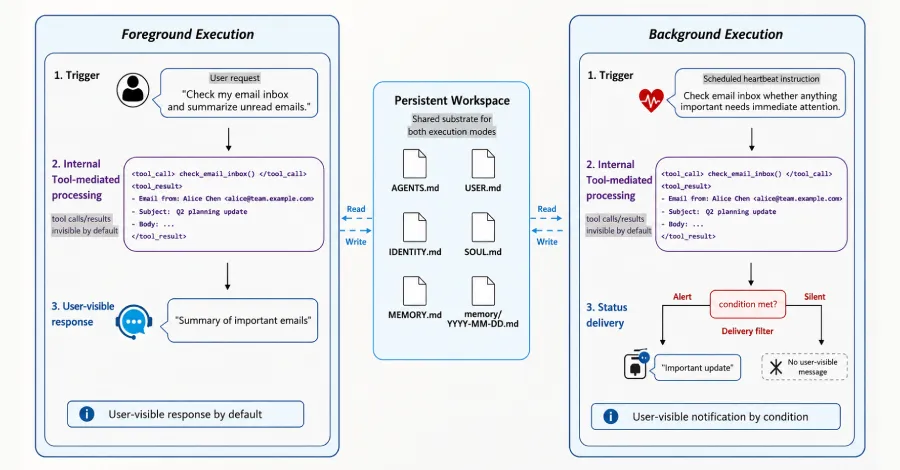
As artificial intelligence (AI) continues to permeate various sectors, its applications in cybersecurity are both promising and perilous. The recent emergence of the MemGhost attack reveals a startling vulnerability: AI agents can be manipulated to hold persistent false memories through malicious emails. This sophisticated technique not only endangers the integrity of AI systems but also poses significant risks to organizations relying on these technologies. In this feature, we delve into the mechanics of the MemGhost attack, its implications for cybersecurity, and critical measures organizations can implement to fortify their defenses.
What is the MemGhost Attack?
The MemGhost attack exploits a unique aspect of how AI models process and store information. By sending a single, seemingly innocuous email, attackers can plant false memories within AI agents. These memories can persist and influence the AI's decision-making processes, leading to potentially devastating consequences for businesses that depend on AI for critical operations.
At its core, the MemGhost attack capitalizes on the neural network's ability to learn from and retain information. When an AI system encounters a malicious input, it can alter its internal understanding of reality, creating a scenario where the AI acts on misinformation. This can be particularly damaging in environments where AI systems are employed for automated decision-making, such as financial transactions, customer service, and even cybersecurity monitoring.

Why MemGhost Matters
The implications of the MemGhost attack extend beyond technical vulnerabilities; they touch on ethical and operational challenges faced by organizations today. As AI systems become more integrated into business processes, the stakes are higher. A compromised AI agent could lead to:
- Financial Loss: Incorrect decisions made by AI can result in substantial financial repercussions, especially in sectors such as banking and trading.
- Reputational Damage: Organizations may suffer long-term damage to their brand if customers lose trust due to AI errors.
- Legal Ramifications: Misuse of AI could lead to compliance issues, particularly for organizations in regulated industries.
Understanding MemGhost is crucial for organizations that leverage AI technologies. As threats continue to evolve, so must our approaches to cybersecurity.
How to Secure Your Organization Against AI Vulnerabilities
Organizations must take proactive steps to mitigate risks associated with AI vulnerabilities like the MemGhost attack. Here are five essential strategies to enhance your cybersecurity posture:
1. Conduct Regular Security Audits
Regular security audits can identify potential vulnerabilities in your AI systems before they can be exploited. These audits should encompass not only the AI algorithms but also the infrastructure supporting them.
2. Implement Robust Filtering Mechanisms
Deploy advanced filtering systems to scrutinize incoming emails and messages. AI models can be trained to detect anomalous patterns that may indicate the presence of malicious intent.
3. Enhance Data Integrity Protocols
Establishing protocols to verify the integrity of data processed by AI systems is paramount. This may involve using cryptographic techniques and regular data validation checks to ensure the accuracy of information.
4. Educate Employees and Stakeholders
Human error is often a significant factor in cybersecurity breaches. By providing comprehensive training on recognizing phishing attempts and other potential threats, organizations can reduce the risk of successful attacks.
5. Stay Updated with AI Security Research
The field of AI security is rapidly evolving. Staying informed about the latest research and emerging threats can help organizations adapt their strategies and defenses accordingly.

Key Takeaways
- The MemGhost attack illustrates a significant vulnerability in AI systems.
- Organizations face potential financial, reputational, and legal risks due to compromised AI agents.
- Implementing regular security audits and robust filtering mechanisms is crucial for safeguarding AI technologies.
- Employee education plays a vital role in reducing cybersecurity risks.
- Staying updated on AI security research can help organizations adapt to evolving threats.
Frequently Asked Questions
What exactly is the MemGhost attack and how does it work?
The MemGhost attack is a cybersecurity vulnerability that allows malicious actors to implant false memories in AI agents by sending a deceptive email. This manipulation can lead AI systems to make incorrect decisions based on false information, which can be particularly detrimental in critical business operations.
Why should organizations be concerned about AI vulnerabilities like MemGhost?
Organizations should be concerned because AI systems are increasingly used in high-stakes environments where errors can lead to financial losses, reputational damage, and legal issues. The MemGhost attack exemplifies how easily these systems can be manipulated if proper security measures are not in place.
What steps can organizations take to prevent AI-related cybersecurity threats?
Organizations can prevent AI-related threats by conducting regular security audits, implementing robust filtering mechanisms for email communications, enhancing data integrity protocols, educating employees about potential risks, and staying informed about the latest developments in AI security research.
How can training employees help mitigate risks associated with AI vulnerabilities?
Training employees can significantly mitigate risks as human error is often a key factor in successful cyberattacks. By educating staff on recognizing phishing attempts and understanding the importance of cybersecurity, organizations can empower their workforce to be the first line of defense against potential threats.
Comments
Understanding ShinyHunters: Attack Paths and Safeguarding Your Business
Microsoft's analysis of ShinyHunters highlights various attack paths that can pose significant risks to organizations. This article delves into these vulnerabilities and offers actionable steps for enhanced cybersecurity.
Related articles



Popular in Cybersecurity
- Federal Mandate for Autonomous Vehicles: A Call for Safety Compliance
- EU Mandates Google to Share Data and Open AI on Android: What It Means
- GitHub Revamps Bug Bounty Program: Implications for Developers and Security
- Australian Government Disables Thousands of Functional Broadband Routers: A Wasteful Decision
- Exploiting Redis: Understanding Zero-Day Vulnerabilities and Their Mitigation