Colorado's Ballot Measure: The Right to Natural Gas and Its Implications
A proposed amendment in Colorado seeks to enshrine a 'right to natural gas' in the state constitution, stirring debates around climate goals and energy policies. As voters prepare for the November election, understanding the implications of this measure is crucial for both consumers and policymakers.
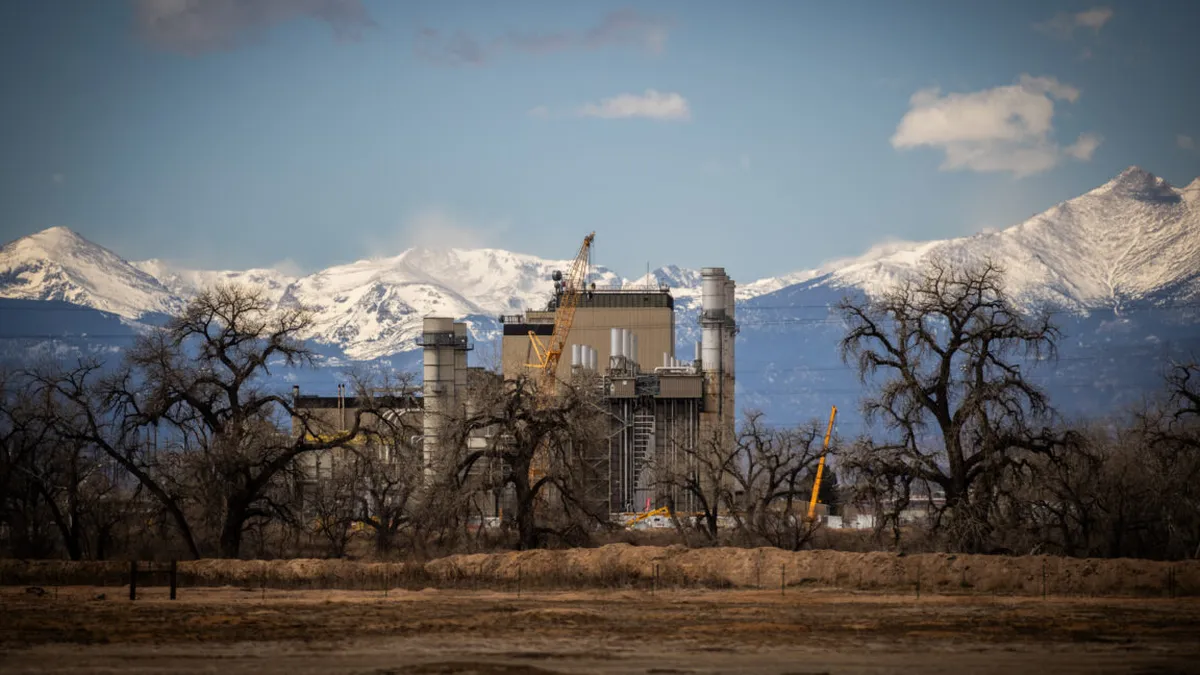
The upcoming November election in Colorado presents voters with a pivotal choice: whether to enshrine a "right to natural gas" in the state constitution. This proposed amendment, driven by the conservative nonprofit Advance Colorado, aims to secure fossil fuel companies' rights to sell methane gas while potentially undermining the state's ambitious climate goals. With broad and vague language, the measure could significantly alter building codes, impede electrification efforts, and challenge local regulations aimed at reducing carbon emissions. As the debate intensifies, understanding the implications of this ballot initiative has never been more critical for Colorado residents.
At its core, the proposed amendment asserts that "producers and utilities have the right to sell natural gas to homes and businesses." This straightforward statement masks a complex web of consequences that could ripple through Colorado's energy landscape. Environmental advocates and progressive lawmakers are expressing deep concerns that if passed, this measure could not only hinder the state's progress toward clean energy but also commit consumers to reliance on fossil fuels for years to come.
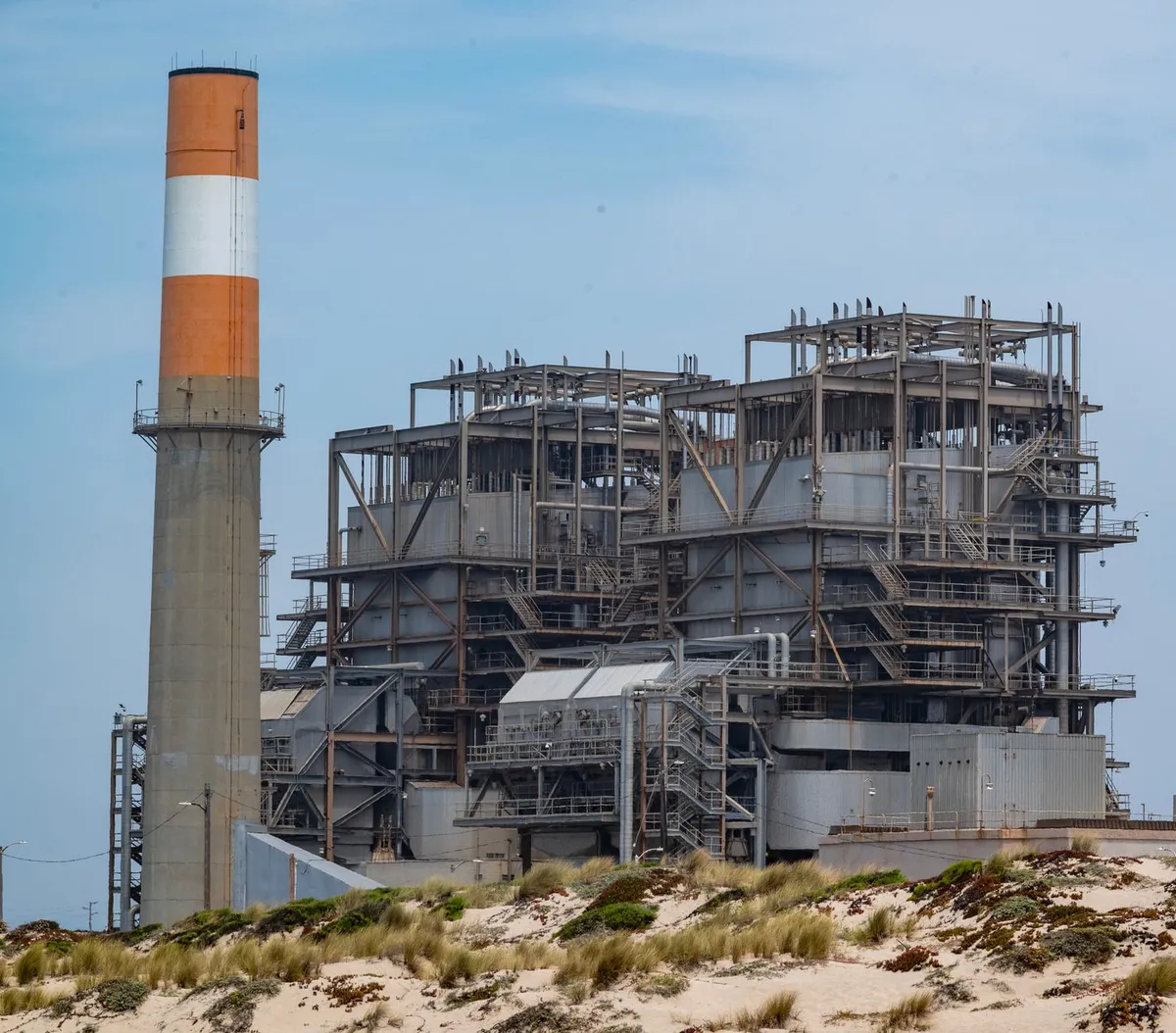
The Push for the Right to Natural Gas
Advance Colorado's efforts to add Initiative 177 to the ballot were fueled by significant financial backing, with over $1 million spent on signature collection alone. This initiative reflects a broader trend in Colorado politics where conservatives are increasingly turning to citizen-initiated ballot measures to bypass a predominantly Democratic legislature. The goal: to secure fossil fuel interests in the state's legal framework.
Critics argue that the measure is a cynical attempt to guarantee profits for fossil fuel companies at the expense of public health and environmental safety. Kelly Nordini, CEO of Conservation Colorado, encapsulated this sentiment, stating, "It’s bad for people’s pocketbooks, for clean air, for clean water; it has no provisions for public health or safety." This lack of oversight raises concerns about the long-term implications for Colorado’s air quality and public health.
Legislative Background and Context
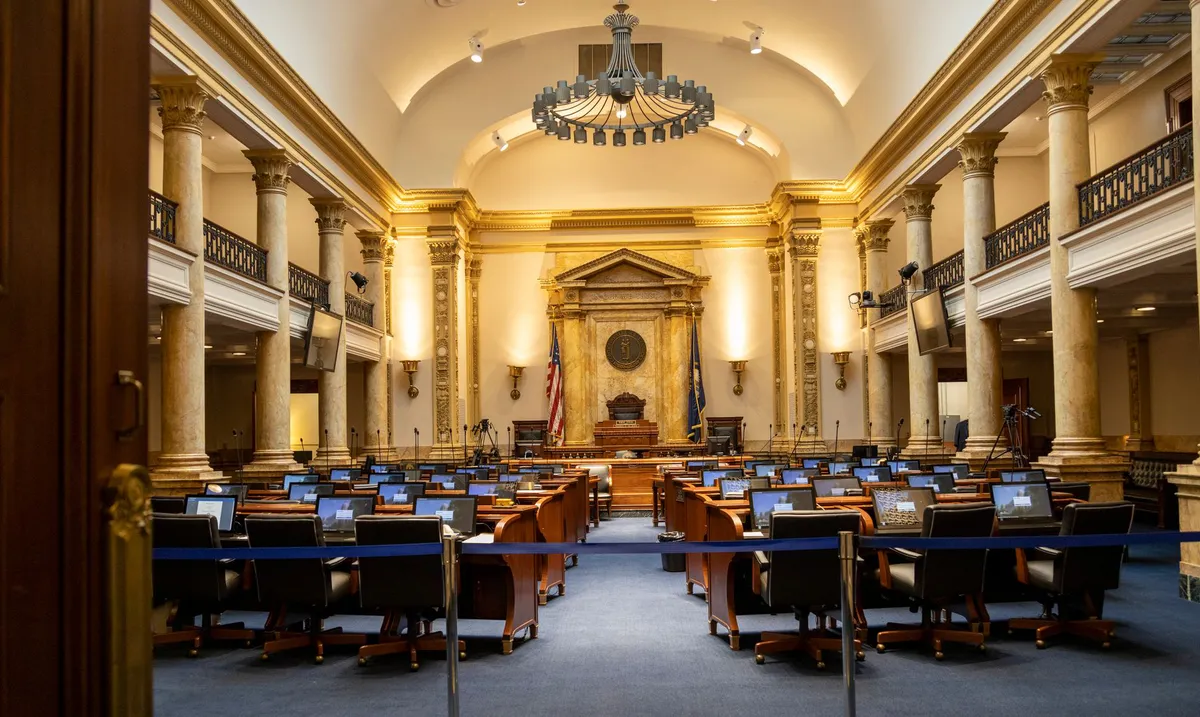
The legislative landscape surrounding natural gas in Colorado has seen significant activity in recent years. In 2023, efforts by House Democrats to introduce protections for public health and safety in the context of natural gas legislation were thwarted by Republican opposition. This dynamic underscores the growing tension between fossil fuel interests and environmental advocates.
The right to natural gas initiative is not an isolated phenomenon. Across the United States, similar measures have been introduced in various states, with 26 states passing preemptive bans on policies aimed at phasing out methane gas use between 2020 and 2024. Notably, Utah enacted a law prohibiting restrictions on gas utility connections, a trend that reflects a nationwide pushback against decarbonization efforts.
The Unique Case of Colorado
What sets Colorado apart is the potential for a constitutional amendment that would enshrine the right to a specific fossil fuel. Michael Burger, executive director of the Sabin Center for Climate Change Law at Columbia University, notes that this would be the first such amendment in the country, potentially superseding existing legislation designed to limit methane gas use. The broad language of the Colorado measure — devoid of caveats or provisions for public safety — raises questions about its implementation and the future of environmental policies in the state.

Environmental and Economic Implications
The implications of the right to natural gas amendment extend far beyond the immediate political landscape. Colorado is currently grappling with the need to reduce carbon emissions from natural gas, which accounts for approximately a third of the state’s electricity generation. With around 70% of homes relying on methane gas for heating, the proposed measure could derail recent initiatives aimed at transitioning to cleaner energy sources.
In 2022, the Colorado Public Utilities Commission mandated a 41% reduction in emissions from heating buildings by 2035. To facilitate this, the state has incentivized homeowners to upgrade to electric heat pumps, with significant funding available under the Inflation Reduction Act. These heat pumps not only lower carbon emissions but also offer economic benefits, reducing utility bills and mitigating indoor pollution. However, if the right to natural gas amendment is passed, municipalities that have adopted ambitious building codes promoting heat pumps may be forced to reevaluate or even abandon these initiatives.
Local Responses and Community Concerns
Several municipalities in Colorado have already enacted progressive building codes, such as Denver's policy requiring the replacement of methane gas furnaces with heat pumps during major repairs. Additionally, the town of Crested Butte mandates all-electric systems in new constructions. These initiatives represent a significant shift toward sustainable energy practices, which could be jeopardized by the passage of Initiative 177.
Public Sentiment and Voter Engagement
As November approaches, public sentiment regarding the right to natural gas amendment remains divided. Environmental and progressive groups are mobilizing to oppose the measure, citing its lack of transparency and potential risks to public health. Conservation Colorado has even filed a campaign finance complaint against Advance Colorado for failing to disclose all expenditures related to the initiative, raising further questions about the motivations behind the push.
Voter turnout for local and state elections is historically low, particularly for ballot issues. This reality means that financial backing can significantly influence outcomes. The substantial investments made by conservative nonprofits in canvassing efforts highlight the need for informed voter engagement. As the campaign heats up, Coloradans must weigh the potential consequences of the amendment against their commitment to climate goals and public health.
Key Takeaways
- Initiative 177 seeks to enshrine a right to natural gas in Colorado's constitution.
- The amendment could hinder the state’s efforts to reach climate goals and electrification initiatives.
- Significant financial resources have been poured into campaigning for the measure, raising concerns about transparency and influence.
- Local building codes promoting electric heating may be compromised if the amendment passes.
- Public sentiment remains divided, highlighting the importance of informed voter engagement in the upcoming election.
Frequently Asked Questions
What is Initiative 177 and why is it important?
Initiative 177 is a proposed amendment to the Colorado Constitution that aims to guarantee a right to sell natural gas, which could undermine the state’s progress toward electrification and climate goals. Its passage would have significant implications for energy policies, local regulations, and public health standards, making it a critical issue for voters in the upcoming election.
How does this measure affect local building codes?
If Initiative 177 passes, it may force changes to local building codes that currently promote electric heating and cooking. Many municipalities have adopted regulations that require electric heat pumps instead of methane gas appliances, and the constitutional amendment could challenge these efforts, potentially locking communities into fossil fuel dependency for the foreseeable future.
What are the potential economic impacts of the amendment?
The amendment could lead to increased reliance on methane gas, which may ultimately affect utility prices and consumer choices. While proponents argue that it preserves energy choice, critics contend that it could hinder advancements in energy efficiency and cost savings associated with electrification, potentially leading to higher long-term expenses for consumers and less overall energy innovation.
How can voters make an informed decision about this measure?
Voters should research the implications of Initiative 177, including its potential environmental and economic impacts. Engaging with local advocacy groups, attending community forums, and exploring campaign finance disclosures can provide insights into the motivations behind the amendment and help voters make informed choices on this critical issue that could shape Colorado's energy future.
Comments
Understanding ShinyHunters: Attack Paths and Safeguarding Your Business
Microsoft's analysis of ShinyHunters highlights various attack paths that can pose significant risks to organizations. This article delves into these vulnerabilities and offers actionable steps for enhanced cybersecurity.

Related articles




Popular in Cybersecurity
- Federal Mandate for Autonomous Vehicles: A Call for Safety Compliance
- EU Mandates Google to Share Data and Open AI on Android: What It Means
- GitHub Revamps Bug Bounty Program: Implications for Developers and Security
- Australian Government Disables Thousands of Functional Broadband Routers: A Wasteful Decision
- Exploiting Redis: Understanding Zero-Day Vulnerabilities and Their Mitigation