Castelion: The $13 Billion Startup Revolutionizing Hypersonic Weaponry
Castelion, a new player in the defense sector, has achieved a remarkable $13 billion valuation after securing a $1 billion Series C funding round. Founded by ex-SpaceX executives, the startup aims to transform hypersonic missile production, addressing critical military needs amidst rising global tensions.
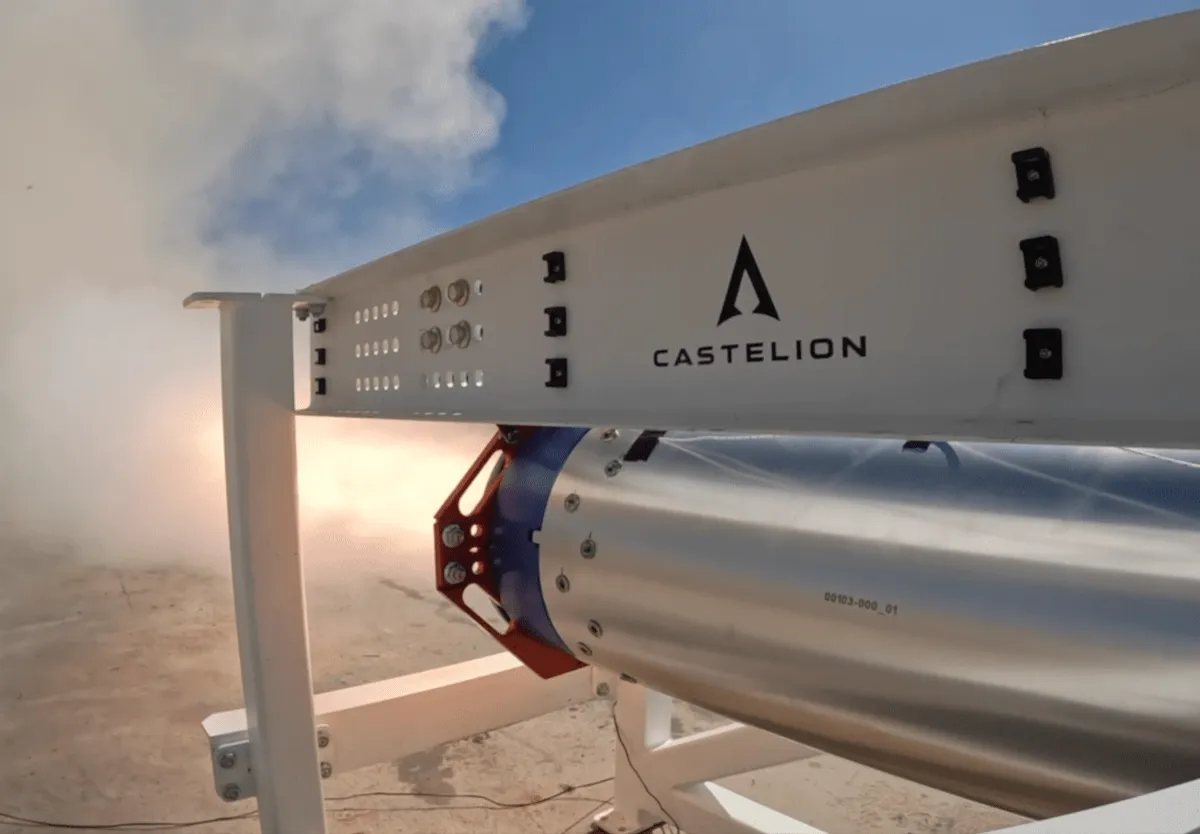
The landscape of modern warfare is rapidly evolving, and with it, the technology that underpins national defense strategies. Castelion, a startup founded by former SpaceX executives, has emerged as a pivotal player in this domain, recently achieving an impressive $13 billion valuation following a $1 billion Series C funding round. This achievement not only underscores the company’s potential but also highlights a critical shift in military procurement strategies aimed at countering global threats, particularly from nations like China.
Founded just a year ago, Castelion's mission is ambitious: to mass-produce hypersonic weapon systems that can be manufactured more efficiently and at a lower cost than conventional defense contractors. The urgency behind this endeavor is palpable—hypersonic missiles, capable of flying at speeds exceeding Mach 5, represent a significant leap in military technology, one that the U.S. is keen to bolster in response to a rapidly advancing Chinese arsenal.
Funding Landscape and Strategic Partnerships
The $1 billion funding round was co-led by prominent investors including Andreessen Horowitz, Carlyle Group, and JPMorgan Chase, reflecting growing confidence in the potential of hypersonic technology. This round included $800 million in equity and a $250 million revolving credit facility, allowing Castelion not only to ramp up production but also to establish vital partnerships within the defense industry.
In addition to the new funding, Castelion has already secured over $500 million in contracts from the U.S. military, indicating robust demand for their innovative weapon systems. These funds will primarily be directed towards the production of the company's flagship missile, the Blackbeard, which is named after the infamous English pirate, symbolizing the boldness and audacity that Castelion aims to infuse into its operations.
The Need for Hypersonic Weapons
As global military dynamics shift, the need for hypersonic capabilities has grown significantly. Here are several reasons why hypersonic technology is critical:
- Speed and Maneuverability: Traditional missiles, although effective, can be intercepted by existing missile defense systems. Hypersonic missiles, however, travel at speeds that make them difficult to track and intercept.
- Strategic Deterrence: As nations like China and Russia continue to develop and field hypersonic missiles, the U.S. must enhance its capabilities to maintain strategic deterrence and global influence.
- Innovation in Warfare: The integration of hypersonic technology signifies a broader trend of technological innovation in warfare, affecting not just defense strategies but also military procurement processes.
Given these factors, the Pentagon is keen to expand its inventory of hypersonic weapons, making Castelion's mission both timely and crucial.
Operational Focus and Production Facilities
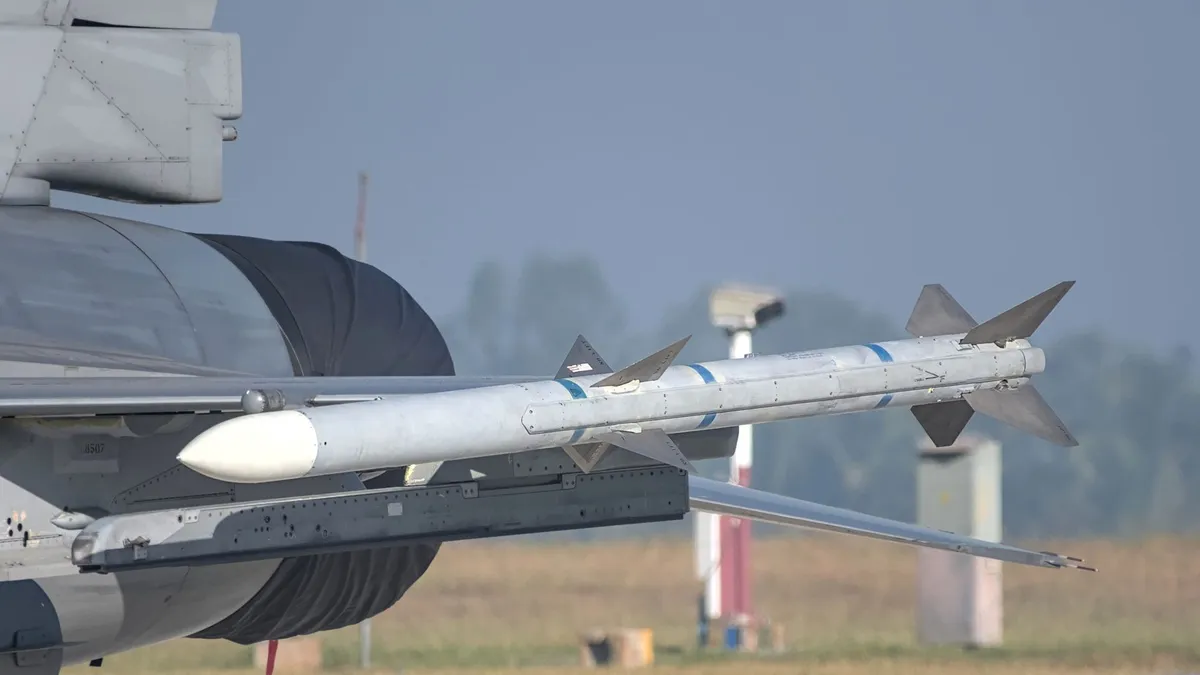
Castelion's operational headquarters in Torrance, California, is set to leverage the latest manufacturing technologies to produce hypersonic missiles at unprecedented speeds. The company is also establishing a new production facility in New Mexico, which will focus on the assembly of its hypersonic weapon systems. This facility will be instrumental in scaling production to meet the U.S. military’s urgent demands.
The key to Castelion’s competitive edge lies in its innovative manufacturing processes. By utilizing advanced materials and cutting-edge technologies, the startup aims to reduce production timelines significantly compared to traditional defense contractors, which often face bureaucratic delays and inefficiencies.
Market Context and Competitive Landscape
The defense contracting market has historically been dominated by a few large players, such as Lockheed Martin and Raytheon. However, the rise of startups like Castelion indicates a shift towards a more diversified ecosystem where innovation can thrive outside of traditional defense firms.
Investors are increasingly attracted to this segment due to the potential for high returns on investment as nations ramp up their military spending in response to global tensions. The competition is fierce, but Castelion’s unique positioning—backed by experienced leaders from the aerospace industry—gives it a fighting chance to disrupt the status quo.
Implications for National Security and Global Stability
The rise of hypersonic weapons introduces complexities into the global security landscape. As nations pursue these advanced technologies, the potential for an arms race becomes palpable. The implications of this are profound:
- Increased Military Spending: Nations may feel compelled to allocate more resources to their defense budgets to keep pace with advancements in hypersonic technology.
- Strategic Partnerships: Countries may seek alliances to share technologies and bolster their defenses, reshaping global military alliances.
- Escalation Risks: The introduction of hypersonic capabilities could increase the likelihood of miscalculations during conflicts, as military responses may need to be more rapid and decisive.
For American policymakers, understanding the strategic significance of hypersonic technology is vital. As Castelion and other startups continue to innovate, it's crucial to balance the need for advanced weaponry with diplomatic efforts to avoid escalation.
Key Takeaways
- Castelion has achieved a $13 billion valuation following a $1 billion Series C funding round.
- The startup plans to mass-produce hypersonic missiles, responding to a critical military need.
- With over $500 million in U.S. military contracts, the demand for hypersonic technology is clear.
- The rise of startups in the defense sector signals a shift in military procurement and innovation.
- National security implications regarding hypersonic technology warrant careful consideration.
Frequently Asked Questions
What are hypersonic weapons and how do they differ from traditional missiles?
Hypersonic weapons travel at speeds exceeding Mach 5, significantly faster than traditional ballistic or cruise missiles. This speed, combined with their ability to maneuver during flight, makes them extremely difficult for existing missile defense systems to intercept. Traditional missiles follow a predictable trajectory, while hypersonic weapons can alter their path, posing new challenges for defense systems.
Why is the U.S. focusing on hypersonic technology now?
The urgency behind U.S. interest in hypersonic technology is driven by the growing capabilities of adversaries like China and Russia. As these nations develop advanced hypersonic systems, the U.S. aims to enhance its deterrence capabilities and maintain strategic superiority. The recent surge in military contracts for hypersonic weapons reflects this necessity.
How does Castelion plan to manufacture hypersonic missiles efficiently?
Castelion intends to leverage innovative manufacturing technologies and processes to streamline production. By utilizing advanced materials and optimizing assembly techniques, the startup believes it can significantly reduce production timelines compared to traditional defense contractors, which often face bureaucratic hurdles that slow down their operations.
What are the potential risks associated with the proliferation of hypersonic weapons?
The proliferation of hypersonic weapons could lead to an arms race, increasing military spending and altering global alliances. Furthermore, the rapid response capabilities these weapons offer may heighten the risk of miscalculation during conflicts, as nations may feel pressured to act quickly in response to perceived threats. Balancing military advancement with diplomatic efforts will be vital to maintaining global stability.
Comments
Fake Crypto Conference: A New Threat Targeting Cybersecurity Researchers
Recent reports have surfaced about a malicious hacker who targeted cybersecurity professionals using a deceptive crypto conference as bait. This incident highlights the evolving tactics employed by cybercriminals to exploit trusted individuals in the tech community.

Related articles





Popular in Cybersecurity
- Federal Mandate for Autonomous Vehicles: A Call for Safety Compliance
- EU Mandates Google to Share Data and Open AI on Android: What It Means
- GitHub Revamps Bug Bounty Program: Implications for Developers and Security
- Australian Government Disables Thousands of Functional Broadband Routers: A Wasteful Decision
- Exploiting Redis: Understanding Zero-Day Vulnerabilities and Their Mitigation