Elementor Pro Vulnerability: A Risky Flaw for Web Developers
A serious vulnerability in Elementor Pro poses significant risks for WordPress users, allowing unauthenticated attackers to upload and execute malicious PHP code. This article explores the implications of this flaw and provides guidance for safeguarding your web assets.
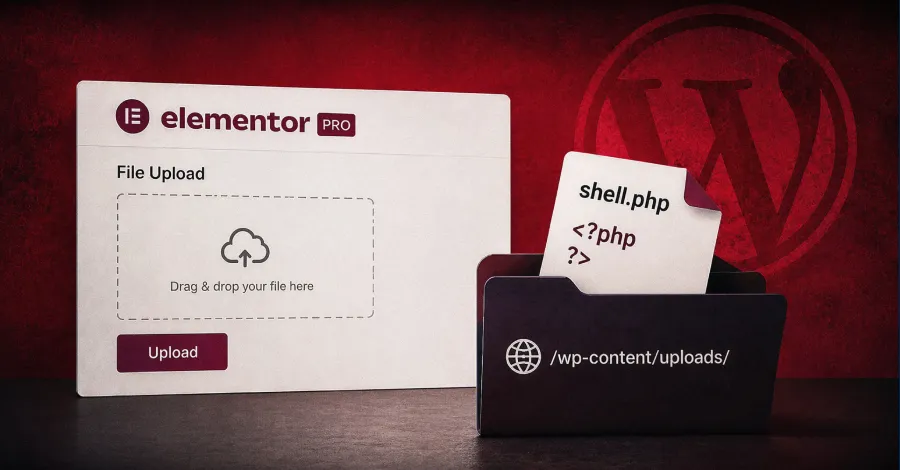
The web development landscape is constantly evolving, and with it comes new challenges and threats. Recently, a critical vulnerability was discovered in Elementor Pro, a popular page builder plugin for WordPress. This flaw allows unauthenticated attackers to upload PHP files and execute code on vulnerable sites, raising significant alarm bells in the web development community. For many businesses that rely on WordPress for their online presence, understanding this vulnerability is crucial to maintaining security and protecting sensitive data.
Elementor Pro is widely used due to its user-friendly interface and extensive features that simplify the design process. However, this popularity also makes it an attractive target for cybercriminals. The potential for unauthenticated access means that attackers can exploit this vulnerability without needing credentials, making it a serious threat that could lead to data breaches, site defacement, or even complete takeovers of web properties.
Understanding the Vulnerability
The vulnerability in Elementor Pro is tied to the plugin's file upload functionality, which does not adequately verify user permissions. This oversight allows attackers to bypass authentication mechanisms and upload malicious PHP scripts to the server. Once these scripts are executed, attackers can gain control over the affected site, leading to a myriad of possible security incidents.
How the Exploit Works
To illustrate how this exploit can be executed, consider the following scenario:
- An attacker identifies a WordPress site using Elementor Pro.
- They exploit the vulnerability by sending a specially crafted request to upload a PHP file.
- Once uploaded, the attacker can invoke the PHP script, executing any code they choose.
This method effectively allows attackers to perform actions such as creating new admin users, stealing sensitive customer data, or deploying additional malware. The implications are severe, especially for e-commerce sites handling personal and financial information.

The Broader Context of Web Security
This incident with Elementor Pro is not an isolated case. It falls within a larger trend of increasing vulnerabilities in widely used web applications. As more businesses move online, the attack surface for cybercriminals expands, making it essential for developers and site administrators to understand the security landscape.
Recent Trends in Cyber Attacks
Cybersecurity threats are evolving, and the methods used by attackers are becoming more sophisticated. Some of the notable trends include:
- Increased Use of Ransomware: Attackers are increasingly using ransomware to lock organizations out of their systems until a ransom is paid.
- Supply Chain Attacks: Targeting third-party services or plugins to breach larger systems, as seen in high-profile incidents like the SolarWinds hack.
- Exploitation of Open Source Software: Many popular tools and frameworks are open source, making them attractive targets for vulnerabilities.
Understanding these trends is crucial for web developers and businesses alike. It underscores the importance of implementing robust security practices throughout the development lifecycle.

Best Practices for Securing WordPress Sites
Given the potential risks associated with the Elementor Pro vulnerability, WordPress users must take proactive steps to secure their sites. Here are some best practices to consider:
- Regularly Update Plugins and Themes: Ensure that all plugins, including Elementor Pro, are updated to the latest versions to benefit from security patches.
- Implement a Web Application Firewall (WAF): A WAF can help filter out malicious traffic and protect against common attack vectors.
- Conduct Regular Security Audits: Regularly review your site for vulnerabilities and implement fixes as necessary.
- Limit User Permissions: Only grant necessary permissions to users and regularly review user access.
By adopting these practices, businesses can significantly reduce their risk of falling victim to similar vulnerabilities in the future.
Key Takeaways
- The Elementor Pro vulnerability allows unauthenticated attackers to upload and execute PHP code.
- Exploiting this flaw can lead to severe consequences, including data breaches and site takeovers.
- Staying informed about cybersecurity trends is essential for effective defense.
- Implementing security best practices can help safeguard WordPress sites from potential threats.
Frequently Asked Questions
What should I do if my site is affected by this vulnerability?
If your site is affected, the first step is to immediately update the Elementor Pro plugin to the latest version, which should include patches for this vulnerability. Conduct a thorough security audit to check for any unauthorized access or changes made to your site. In cases of significant compromise, consider restoring your site from a backup or seeking professional cybersecurity assistance.
How can I identify if my site has been compromised?
Signs of a compromised site may include unexpected changes to your website content, new user accounts that you did not create, or unusual server activity. You can also use security plugins that scan for malware and vulnerabilities. Regularly monitoring your site’s analytics can help you spot unusual traffic patterns indicative of a security breach.
Are there any tools to help secure my WordPress site?
Yes, there are several tools available to enhance the security of your WordPress site. Security plugins such as Wordfence and Sucuri provide firewalls, malware scanning, and login protection. Additionally, using services like Cloudflare can offer further protection against DDoS attacks and other threats.
Comments
Castelion: The $13 Billion Startup Revolutionizing Hypersonic Weaponry
Castelion, a new player in the defense sector, has achieved a remarkable $13 billion valuation after securing a $1 billion Series C funding round. Founded by ex-SpaceX executives, the startup aims to transform hypersonic missile production, addressing critical military needs amidst rising global tensions.

Related articles






Popular in Cybersecurity
- Federal Mandate for Autonomous Vehicles: A Call for Safety Compliance
- EU Mandates Google to Share Data and Open AI on Android: What It Means
- GitHub Revamps Bug Bounty Program: Implications for Developers and Security
- Australian Government Disables Thousands of Functional Broadband Routers: A Wasteful Decision
- Exploiting Redis: Understanding Zero-Day Vulnerabilities and Their Mitigation