Exploiting Flaws in NASA's AIT-GUI: A Window for Unauthorized Commands
Recent vulnerabilities in NASA's AIT-GUI system expose serious security risks, allowing potential unauthorized access to spacecraft commands. Understanding these flaws is crucial for improving cybersecurity protocols in sensitive environments.
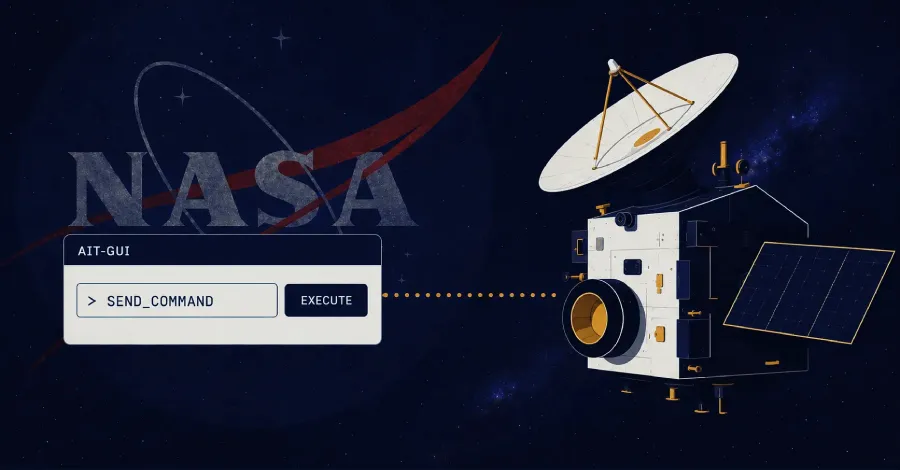
The realm of space exploration and technology is often viewed as a bastion of cutting-edge innovation, but recent discoveries have unveiled vulnerabilities that threaten the integrity of these systems. NASA's AIT-GUI (Advanced Interactive Tool - Graphical User Interface) has been identified as having critical security flaws that could allow unauthorized individuals to issue commands to spacecraft. The implications of such breaches extend beyond the immediate risks to spacecraft; they raise broader questions about the cybersecurity measures in place across governmental and technological domains.
With ongoing advancements in space technology, the importance of securing command and control interfaces cannot be overstated. As we delve into the details of these flaws, we will explore the potential ramifications, the importance of robust cybersecurity frameworks, and actionable steps organizations can take to fortify their systems against similar vulnerabilities.
Understanding NASA's AIT-GUI and Its Functions
The AIT-GUI is a critical component of NASA's operations, serving as the interface through which engineers and scientists interact with spacecraft systems. It provides essential functionalities, including monitoring spacecraft health, issuing commands, and controlling various onboard systems. Given its pivotal role, any vulnerabilities within AIT-GUI pose severe risks, particularly if they can be exploited by unauthorized users.
The Vulnerabilities: What We Know
Security assessments have revealed that the flaws within AIT-GUI could allow unauthenticated attackers to send commands to spacecraft without the necessary credentials. This means that an individual with malicious intent could potentially manipulate spacecraft operations, leading to unauthorized access to sensitive data or even altering mission objectives.
The specific nature of these vulnerabilities can be attributed to inadequate validation processes and oversight in user authentication. When systems fail to enforce strict authentication measures, they create pathways for unauthorized access, making it imperative for organizations to adopt more stringent security protocols.

The Broader Implications of Security Flaws
The ramifications of security vulnerabilities like those found in AIT-GUI extend beyond the immediate threat to individual spacecraft. They represent a broader concern for national security, technological integrity, and public trust in government institutions. The potential for unauthorized command issuance raises alarms about the risks posed to critical national assets, especially as global tensions rise and cyber warfare becomes an increasingly common tactic.
Moreover, the exposure of such vulnerabilities can lead to a loss of confidence among stakeholders, including government agencies, allied nations, and the public. Trust is paramount in the realm of space exploration, where collaboration often spans multiple countries and organizations. An incident involving unauthorized commands could severely damage relationships and hinder future partnerships.
Mapping Attack Paths: Identifying and Mitigating Risks
To effectively combat the risks associated with vulnerabilities like those in AIT-GUI, organizations must map out potential attack paths. This involves identifying key choke points where security breaches could occur and implementing measures to sever these pathways before they can be exploited. Strategies for effective risk management include:
- Regular Security Audits: Conducting thorough assessments of security protocols to identify weaknesses.
- Multi-Factor Authentication: Implementing additional layers of security beyond basic username and password combinations.
- Continuous Monitoring: Employing real-time monitoring to detect unusual activities or unauthorized access attempts.
- Security Training: Providing ongoing training for employees to recognize potential threats and understand security best practices.
- Incident Response Plans: Developing comprehensive plans to address potential breaches swiftly and effectively.
The Role of Collaboration in Enhancing Cybersecurity
In a landscape where threats can evolve rapidly, collaboration becomes essential. Organizations, government bodies, and cybersecurity experts must work together to share information about vulnerabilities and develop collective strategies for prevention and response. This collaborative approach can lead to the establishment of industry-wide standards, improving the overall security posture across sectors.
Public-private partnerships can also play a vital role by fostering innovation in cybersecurity solutions and facilitating knowledge exchange. As emerging technologies continue to reshape the landscape, leveraging shared expertise will be crucial in staying ahead of potential threats.
Key Takeaways
- Nasa’s AIT-GUI vulnerabilities could allow unauthorized access to spacecraft commands.
- Inadequate user authentication processes are at the core of these security flaws.
- Broader implications include potential threats to national security and public trust.
- Mitigating risks involves mapping attack paths and implementing robust security measures.
- Collaboration across sectors is essential to enhance cybersecurity frameworks.
Frequently Asked Questions
What is AIT-GUI and why is it significant?
The Advanced Interactive Tool - Graphical User Interface (AIT-GUI) is a critical interface used by NASA for monitoring and controlling spacecraft. Its significance lies in its role in ensuring the operational integrity of missions, where any security vulnerabilities could lead to unauthorized access and manipulation of spacecraft commands.
How can organizations protect against similar vulnerabilities?
Organizations can protect against vulnerabilities like those in AIT-GUI by implementing multi-factor authentication, conducting regular security audits, and investing in continuous monitoring systems. Additionally, fostering a culture of cybersecurity awareness among employees is vital to recognizing and responding to potential threats.
What are the consequences of unauthorized access to spacecraft commands?
Unauthorized access to spacecraft commands can lead to a range of severe outcomes, including the manipulation of mission objectives, loss of sensitive data, and potential threats to national security. Such breaches can also erode public trust in governmental institutions and damage international collaborations in space exploration.
Why is collaboration important in enhancing cybersecurity?
Collaboration is crucial in enhancing cybersecurity because it allows for the sharing of information on vulnerabilities and best practices among organizations and experts. This collective approach fosters the development of industry standards and innovative solutions, enabling organizations to better defend against emerging threats in a rapidly evolving digital landscape.
Comments
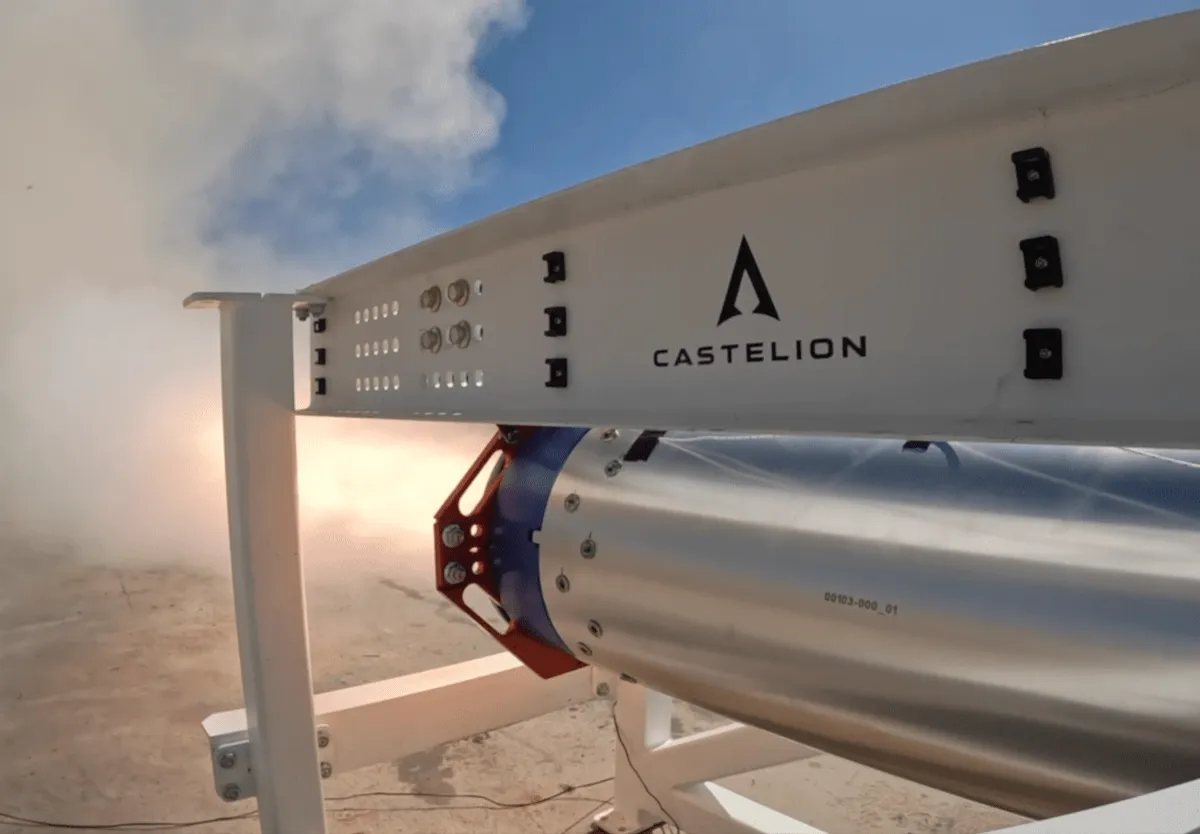
Castelion: The $13 Billion Startup Revolutionizing Hypersonic Weaponry
Castelion, a new player in the defense sector, has achieved a remarkable $13 billion valuation after securing a $1 billion Series C funding round. Founded by ex-SpaceX executives, the startup aims to transform hypersonic missile production, addressing critical military needs amidst rising global tensions.
Related articles





Popular in Cybersecurity
- Federal Mandate for Autonomous Vehicles: A Call for Safety Compliance
- EU Mandates Google to Share Data and Open AI on Android: What It Means
- GitHub Revamps Bug Bounty Program: Implications for Developers and Security
- Australian Government Disables Thousands of Functional Broadband Routers: A Wasteful Decision
- Exploiting Redis: Understanding Zero-Day Vulnerabilities and Their Mitigation