New Manic Android Malware Exposes Offline Devices to Data Theft
A newly discovered Android malware poses a significant threat by exfiltrating data from offline phones through nearby infected devices. This article delves into how this attack occurs and its implications for users and organizations.
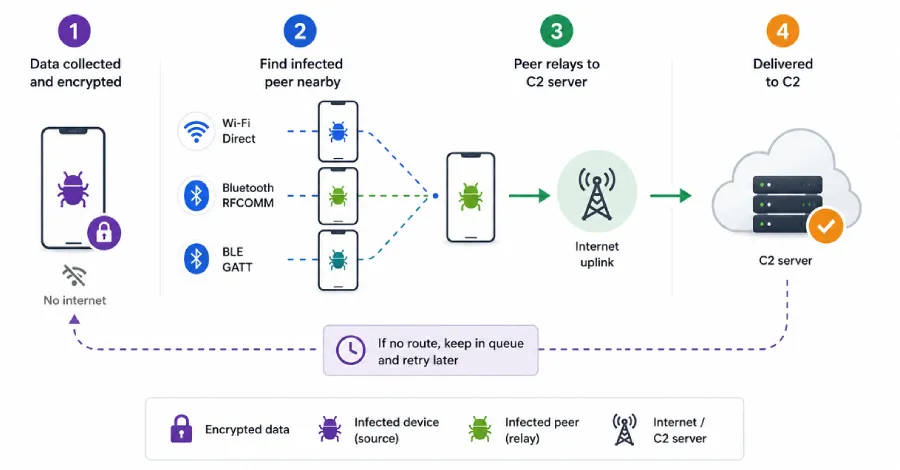
In an alarming development for Android users, a new strain of malware has been identified that can compromise data on offline devices by leveraging nearby infected phones. Dubbed ‘Manic Android,’ this malware exploits a unique attack vector that allows it to exfiltrate sensitive information even when the targeted device is not connected to the internet. The implications of this discovery are profound, as it opens up new avenues for cybercriminals to access personal and corporate data, posing a significant risk to individuals and organizations alike.
Cybersecurity experts are raising concerns about the accessibility of such malware in underground forums, where malicious actors can readily acquire and deploy sophisticated tools. This situation calls for an urgent reassessment of security practices, especially for businesses that rely on mobile devices for sensitive operations. Understanding how this malware operates is essential for implementing effective countermeasures.
Understanding the Mechanism of Manic Android Malware
The Manic Android malware utilizes a method of communication called proximity-based data transfer. When an infected device comes within range of an offline phone, it can transmit malicious payloads that execute on the target device. This process effectively creates a bridge for data exfiltration, allowing the malware to siphon off sensitive information, including passwords, personal identification numbers, and even full documents.
How the Attack Works
The attack unfolds in several stages:
- Infection: The malware infects a device through standard means, such as malicious apps or phishing messages.
- Proximity Activation: Once activated, the malware listens for offline devices in close range.
- Data Transmission: When a target device is detected, the malware initiates a connection to exfiltrate data.
This method of operation is particularly concerning because it circumvents traditional security measures that focus on online threats, demonstrating a shift in the tactics used by cybercriminals.

The Broader Implications of Data Theft
The rise of Manic Android malware brings to light critical issues regarding data privacy and security. With an increasing reliance on mobile technology, the potential for data breaches escalates. As organizations integrate mobile devices into their workflows, the risk of exposing sensitive information becomes more pronounced.
Impact on Individuals and Businesses
For individuals, the implications are clear: personal information can be stolen without any direct interaction with the malware. For businesses, the stakes are even higher. A data breach can lead to substantial financial losses, reputational damage, and legal repercussions. According to a report from IBM, the average cost of a data breach in 2023 is around $4.35 million, a figure that underscores the need for robust security measures.
Best Practices for Mitigating Risks
Given the emerging threat posed by Manic Android malware, it is essential for users and organizations to adopt proactive security practices to safeguard their data. Here are some recommended measures:
- Regular Software Updates: Keep your devices updated to patch vulnerabilities.
- Use Security Software: Install reputable antivirus and anti-malware solutions.
- Limit Device Connections: Be cautious about connecting with unknown devices, especially in public spaces.
- Educate Employees: Conduct training on recognizing phishing attempts and other social engineering tactics.
Implementing these practices can significantly reduce the risk of falling victim to such malware attacks.

Legal and Regulatory Considerations
The emergence of malware like Manic Android raises important legal and regulatory questions surrounding data protection. In the United States, laws such as the California Consumer Privacy Act (CCPA) and the General Data Protection Regulation (GDPR) in Europe set strict guidelines on data handling and user privacy. Organizations must ensure compliance to avoid hefty fines and legal action.
What Organizations Should Do
Organizations are urged to conduct risk assessments to identify vulnerabilities within their mobile device management systems. This includes evaluating the types of data accessed by mobile devices and ensuring that appropriate security controls are in place. Regular audits and incident response plans should also be established to prepare for potential breaches.

Key Takeaways
- The Manic Android malware can exfiltrate data from offline devices via nearby infected devices.
- Proximity-based data transfer presents new challenges for cybersecurity.
- Both individuals and businesses are at risk, with potential financial and legal repercussions.
- Proactive security measures are essential to mitigate risks associated with this new malware.
Frequently Asked Questions
What should I do if I suspect my device is infected?
If you suspect that your device has been infected with malware, it is crucial to act quickly. Disconnect the device from any networks and run a complete antivirus scan to identify and remove any threats. Consider resetting your device to factory settings, and change passwords for any accounts accessed from that device.
How can I protect my offline devices from malware attacks?
Protecting offline devices requires diligence and proactive measures. Ensure that any software is regularly updated, avoid connecting to unknown or unsecured devices, and consider using security applications that can detect malware even when offline. Additionally, educating yourself about potential threats can significantly enhance your security posture.
Is the threat from Manic Android malware limited to smartphones?
While the focus is primarily on smartphones, the principles behind proximity-based malware can theoretically apply to any device that can connect to nearby infected devices. This includes tablets and potentially other smart devices that utilize similar technology.
Comments
Castelion: The $13 Billion Startup Revolutionizing Hypersonic Weaponry
Castelion, a new player in the defense sector, has achieved a remarkable $13 billion valuation after securing a $1 billion Series C funding round. Founded by ex-SpaceX executives, the startup aims to transform hypersonic missile production, addressing critical military needs amidst rising global tensions.

Related articles






Popular in Cybersecurity
- Federal Mandate for Autonomous Vehicles: A Call for Safety Compliance
- EU Mandates Google to Share Data and Open AI on Android: What It Means
- GitHub Revamps Bug Bounty Program: Implications for Developers and Security
- Australian Government Disables Thousands of Functional Broadband Routers: A Wasteful Decision
- Exploiting Redis: Understanding Zero-Day Vulnerabilities and Their Mitigation