Zombie Card Attack: Reviving Expired Visa Cards for Contactless Payments
The emergence of Zombie Card attacks raises significant concerns about payment security. This article explores the implications of this vulnerability and offers strategies for consumers and businesses.
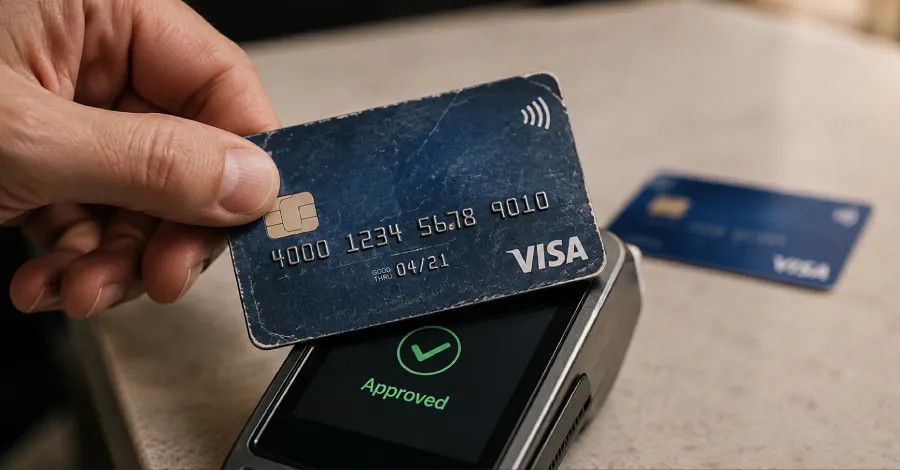
In an age where convenience often trumps security, a new and troubling vulnerability has emerged in the realm of contactless payments: the Zombie Card attack. This sophisticated technique allows hackers to leverage expired Visa cards for unauthorized transactions, raising alarms in the financial and cybersecurity sectors. The implications of this attack extend beyond individual consumers, affecting businesses that rely on secure payment processes. As we delve into the mechanics of Zombie Card attacks, we'll explore their impact, the vulnerabilities they exploit, and what both consumers and businesses can do to safeguard against this emerging threat.
Understanding the Zombie Card Attack
A Zombie Card attack occurs when cybercriminals manipulate expired Visa cards to conduct contactless transactions. This technique capitalizes on the contactless payment technology, which allows for quick and easy transactions without requiring a personal identification number (PIN) or signature. When a card is expired, it is typically assumed to be inactive. However, vulnerabilities in payment processing systems can permit the use of these expired cards until the merchant or the bank identifies the fraud.
The Mechanics Behind the Attack
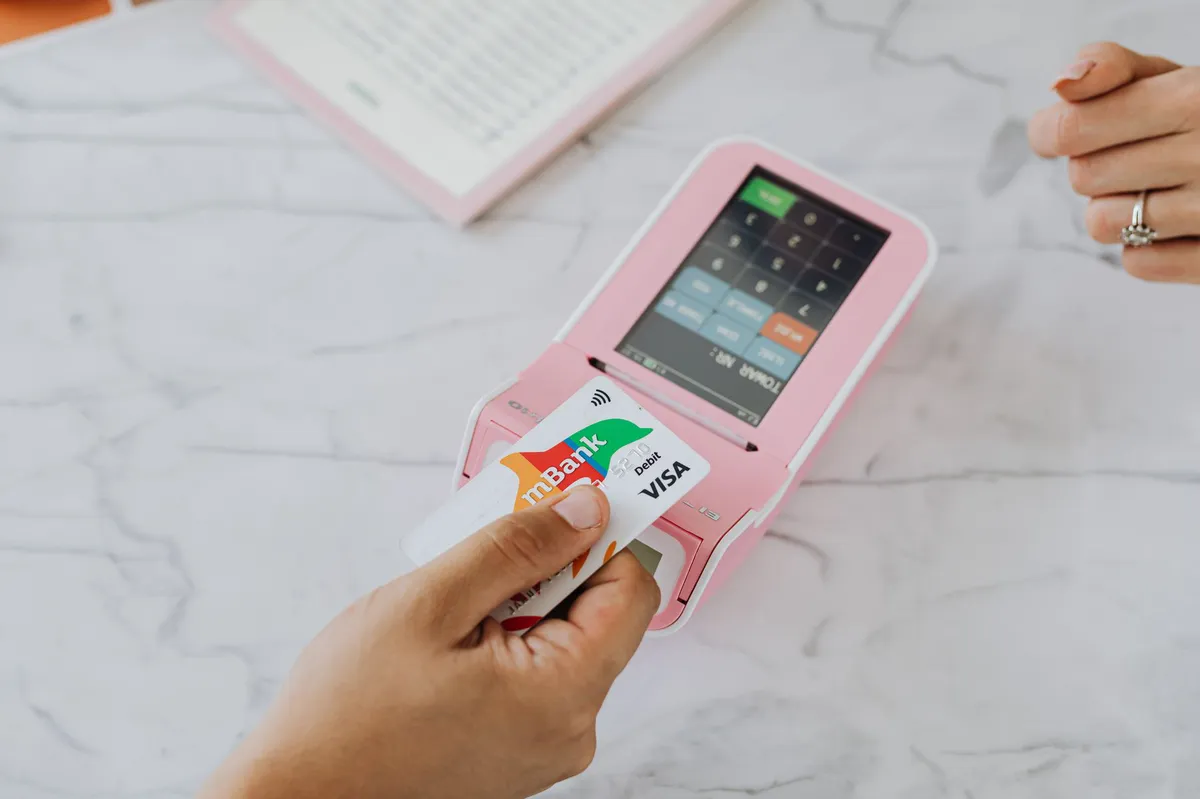
At the heart of the Zombie Card attack is the way contactless payment systems interact with expired cards. When a cardholder uses a contactless card, it communicates with the payment terminal using near-field communication (NFC) technology. In this exchange, the terminal processes the card’s information quickly, often bypassing traditional security checks that would flag an expired card. The attack exploits this loophole, allowing fraudsters to execute transactions before the breach is detected.
The Broader Implications of Payment Security Vulnerabilities
The risks associated with Zombie Card attacks extend beyond individual consumers; they pose significant challenges for businesses as well. For retailers, the consequences can be severe. Fraudulent transactions can lead to financial losses, increased chargeback rates, and a tarnished reputation. Additionally, businesses may face regulatory scrutiny if they fail to protect customer data adequately.
Impact on Consumers and Businesses
- Financial Loss: Businesses can incur substantial losses due to fraudulent chargebacks, while consumers may find themselves financially liable for unauthorized transactions.
- Reputation Damage: Companies that experience breaches may suffer long-term reputational damage, affecting customer trust and loyalty.
- Regulatory Consequences: Failure to comply with payment security regulations can lead to fines and sanctions for businesses.
- Increased Security Costs: To combat such attacks, businesses may need to invest in enhanced security measures, increasing operational costs.

Strategies for Consumers to Protect Themselves
Given the rising threat of Zombie Card attacks, consumers must take proactive steps to safeguard their financial information. Here are some essential strategies:
1. Monitor Account Activity
Regularly reviewing bank and credit card statements can help consumers identify unauthorized transactions quickly. Setting up alerts for transactions above a certain threshold can provide an additional layer of security.
2. Use Secure Payment Methods
Utilize payment methods that offer additional security features, such as virtual credit cards or payment apps that require multi-factor authentication.
3. Keep Contact Information Updated
Ensure that banks and credit card issuers have the most current contact information to facilitate timely alerts about suspicious activity.
What Businesses Can Do
To protect against Zombie Card attacks, businesses must implement robust security measures. Here are some recommended actions:
1. Update Payment Processing Systems
Invest in payment systems that are equipped with the latest security features, including encryption and tokenization, to protect card information during transactions.
2. Train Employees
Regular training for employees on recognizing and responding to potential fraud can help mitigate risks. Employees should be aware of the latest trends in payment fraud and understand how to report suspicious activity.
3. Collaborate with Financial Institutions
Establishing strong relationships with banks and card processors can facilitate quick communication in the event of a suspected fraud case, ensuring that protective measures are enacted swiftly.
Key Takeaways
- The Zombie Card attack exploits expired Visa cards for unauthorized contactless payments.
- Both consumers and businesses are at risk, facing potential financial losses and reputational damage.
- Consumers should actively monitor their accounts and use secure payment methods.
- Businesses must update their payment processing systems and train staff to recognize fraudulent activity.
Frequently Asked Questions
What is a Zombie Card attack?
A Zombie Card attack is a type of fraud that allows hackers to use expired Visa cards for contactless payments by exploiting vulnerabilities in payment processing systems. This technique allows unauthorized transactions to occur without the typical security checks that would otherwise flag an expired card.
How can consumers protect themselves from Zombie Card attacks?
Consumers can protect themselves by monitoring their account activities regularly, using secure payment methods such as virtual cards, and ensuring that their financial institutions have up-to-date contact information to receive alerts about suspicious transactions.
What steps can businesses take to mitigate the risk of Zombie Card attacks?
Businesses can mitigate risks by updating their payment processing systems to include the latest security features, training employees to recognize and report suspicious activities, and collaborating with banks and card processors for effective communication during fraud incidents.
Comments
Castelion: The $13 Billion Startup Revolutionizing Hypersonic Weaponry
Castelion, a new player in the defense sector, has achieved a remarkable $13 billion valuation after securing a $1 billion Series C funding round. Founded by ex-SpaceX executives, the startup aims to transform hypersonic missile production, addressing critical military needs amidst rising global tensions.

Related articles





Popular in Cybersecurity
- Federal Mandate for Autonomous Vehicles: A Call for Safety Compliance
- EU Mandates Google to Share Data and Open AI on Android: What It Means
- GitHub Revamps Bug Bounty Program: Implications for Developers and Security
- Australian Government Disables Thousands of Functional Broadband Routers: A Wasteful Decision
- Exploiting Redis: Understanding Zero-Day Vulnerabilities and Their Mitigation