Apple’s New Push Notifications: A Crucial Warning Against Spyware Attacks
Apple is alerting users globally about potential spyware attacks on their devices. This new initiative underscores the urgent need for cybersecurity awareness and proactive measures among users.
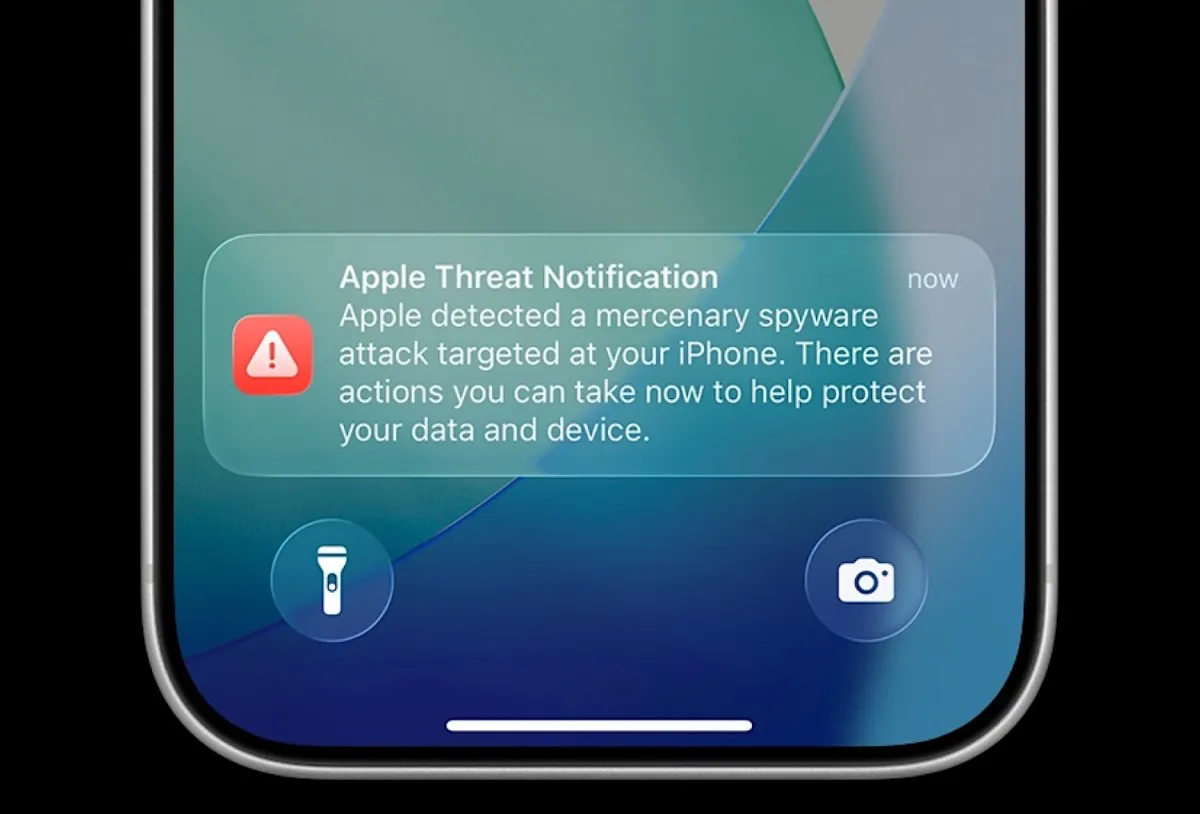
In a move that highlights the growing threat of digital surveillance, Apple has recently expanded its push notification system to alert users about potential spyware attacks targeting their devices. This initiative, which affects users across 110 countries, raises significant concerns about privacy and security in an era where government surveillance technologies are becoming increasingly pervasive. As Apple aims to protect its customers from malicious attacks, the implications of this system are vast, affecting not just individual users but also the broader landscape of digital security.
The notifications serve as a critical warning to users, urging them to take immediate action when they receive an alert indicating their iPhone, iPad, or Mac may have been compromised. Apple’s initiative marks a proactive step in combating the rising tide of spyware, which is often deployed by state actors against political dissidents, journalists, and activists. As spyware becomes more sophisticated, so too must the defenses against it.

Understanding Spyware and Its Implications
Spyware is a type of malicious software designed to collect information from a user’s device without their consent. Often used by government agencies, this technology can infiltrate devices to access personal data, track communications, and monitor behavior. The alarming reality is that spyware attacks are not relegated to the realm of fiction; they are a pressing concern for individuals who value their privacy.
The use of spyware by governments has been documented globally, with notable instances of abuse reported in various countries. For example, the controversy surrounding the use of the Pegasus spyware by the NSO Group has drawn attention to how these tools can be exploited for political gain and to suppress dissent. Apple’s notifications are not just a technical feature; they are a crucial line of defense against such abuses.
How Apple is Taking Action
Apple’s latest batch of notifications is part of an ongoing effort to enhance user security. As detailed in their support article, users will receive alerts directly on their device lock screens, accompanied by a message that reads: “Apple detected a mercenary spyware attack targeted at your iPhone. There are actions you can take now to protect your data and device.” This simple yet effective messaging encourages users to engage with the notification and take necessary precautions.
Key Features of the Notification System
- Global Reach: Notifications have been sent to users in 110 countries, showcasing the widespread nature of the threat.
- User-Friendly Guidance: The updated user experience simplifies the process for users to understand what actions to take next.
- Multiple Communication Channels: In addition to push notifications, alerts are also sent via email and during account logins.
John Scott-Railton, a senior researcher at Citizen Lab, notes that these notifications serve a dual purpose: they alert individuals and stimulate investigations into the broader patterns of spyware abuse. The proactive nature of these alerts can lead to more significant revelations about spyware's role in government surveillance.

The Importance of Lockdown Mode
One of the key recommendations provided in these notifications is to enable Lockdown Mode, a security feature designed to thwart spyware attacks. Lockdown Mode significantly curtails the functionality of certain apps and features, making it more challenging for malicious entities to gain access to sensitive information. According to Apple, there has yet to be a documented case of a device being compromised while Lockdown Mode is active.
How to Enable Lockdown Mode
For users concerned about their security, enabling Lockdown Mode is a straightforward process:
- Open the Settings app on your device.
- Scroll down and select Privacy & Security.
- Locate Lockdown Mode and toggle it on.
By taking these steps, users can significantly enhance their defenses against potential spyware threats, making it harder for intruders to succeed.
Conclusion: The Collective Responsibility of Cybersecurity
The recent push notifications from Apple represent a pivotal moment in the ongoing struggle against spyware and digital surveillance. While the notifications are a vital tool for individual users, they also highlight the need for a collective response to the growing threats in cyberspace. Cybersecurity is not solely the responsibility of technology companies; it requires active participation from users, governments, and organizations alike.
As more individuals become aware of the risks associated with spyware and digital surveillance, the demand for transparent practices and robust cybersecurity measures will only increase. Apple’s initiative is a significant step forward, but it must be accompanied by broader efforts to promote digital literacy and empower users to protect their privacy.
Key Takeaways
- Apple’s new notifications alert users about potential spyware attacks.
- Spyware poses a significant threat, often used by governments against critics.
- Enabling Lockdown Mode can enhance device security against spyware.
- Users should take notifications seriously and follow recommended actions.
Frequently Asked Questions
What should I do if I receive a spyware notification from Apple?
If you receive a notification from Apple indicating a potential spyware attack, it is essential to take it seriously. Follow the instructions provided in the notification, which may include enabling Lockdown Mode and reaching out for support. Taking proactive measures can help safeguard your device and personal data.
How does Lockdown Mode protect my device?
Lockdown Mode is designed to limit the functionality of certain apps and features that may be exploited by spyware. By activating this mode, you reduce the risk of unauthorized access to your device, making it significantly more difficult for spyware to operate successfully.
Are spyware attacks common?
While spyware attacks are not as frequent as some other types of cyber threats, their impact can be devastating. The proliferation of surveillance technology, particularly among government agencies, has made these attacks more accessible and prevalent, especially against political dissidents and activists.
How can I enhance my cybersecurity beyond Apple’s notifications?
To further enhance your cybersecurity, consider adopting a comprehensive approach that includes regular software updates, strong passwords, two-factor authentication, and data encryption. Staying informed about the latest security threats and best practices is crucial in today’s digital landscape.
Comments
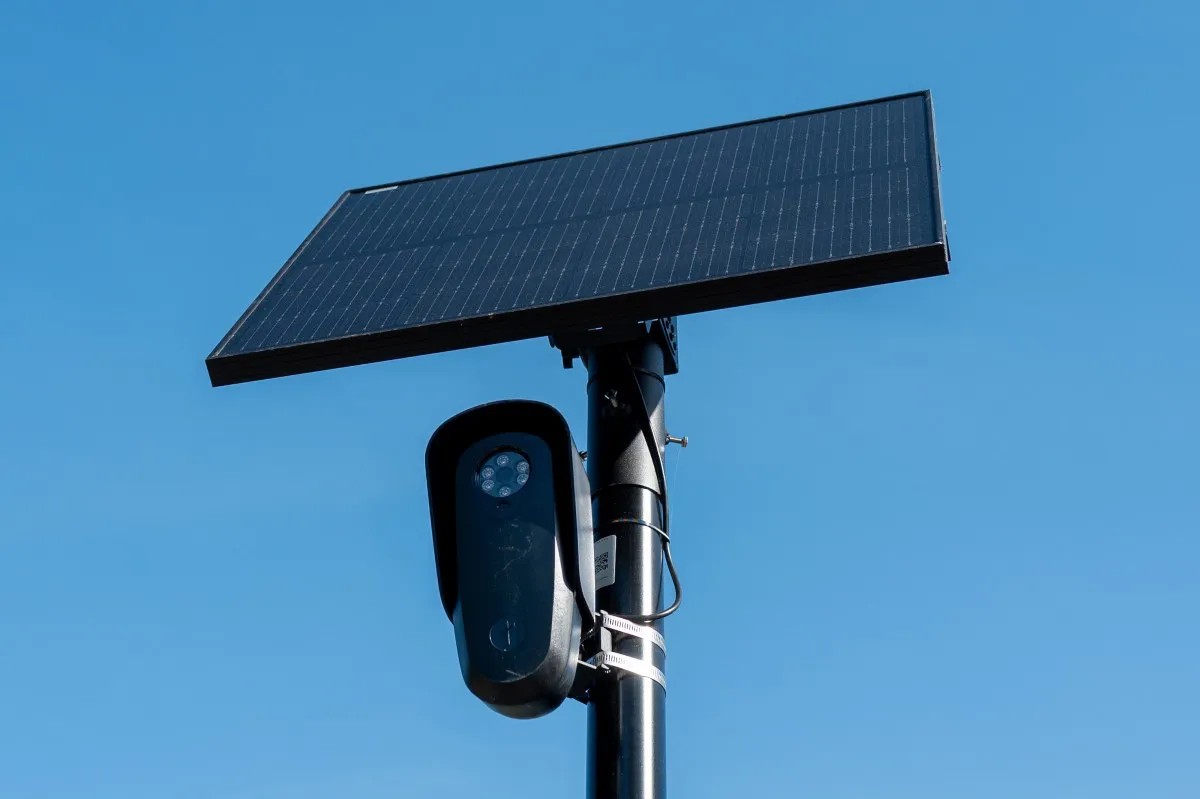
Flock's New Tool Aims to Combat Police Misuse of Surveillance Technology
Flock introduces new policies and tools designed to curb police abuse of its surveillance systems. While promising increased accountability, questions remain about the effectiveness of these measures.
Related articles


Popular in Cybersecurity
- Federal Mandate for Autonomous Vehicles: A Call for Safety Compliance
- EU Mandates Google to Share Data and Open AI on Android: What It Means
- GitHub Revamps Bug Bounty Program: Implications for Developers and Security
- Australian Government Disables Thousands of Functional Broadband Routers: A Wasteful Decision
- Exploiting Redis: Understanding Zero-Day Vulnerabilities and Their Mitigation