The Hidden Crisis: AI's Impact on Rare Book Preservation
Booksellers are raising alarms as AI firms allegedly buy and destroy rare books for training models. This raises ethical concerns and highlights the need for preservation.

In the shadows of technological advancement, a troubling narrative has emerged, casting a dark cloud over the future of literary heritage. Reports are surfacing that artificial intelligence (AI) firms are not just digitizing rare books but are allegedly buying them en masse with the intent of destroying these irreplaceable artifacts to train their algorithms. For bibliophiles and booksellers alike, the thought of rare books being fed into wood chippers is nothing short of heartbreaking. This situation raises profound ethical questions about the intersection of technology and culture, and it underscores the urgent need for robust preservation strategies in an age where information is increasingly digitized.
As AI continues to evolve, the race for high-quality training materials has intensified. AI models thrive on vast amounts of text data, and books—particularly rare and unique publications—offer a treasure trove of language and context that is hard to replicate. However, what happens when the pursuit of data tramples over the value of physical artifacts? Booksellers are beginning to voice their concerns, and they are right to do so. The practice of destroying rare books for AI training purposes could lead to an irreversible loss of cultural history.
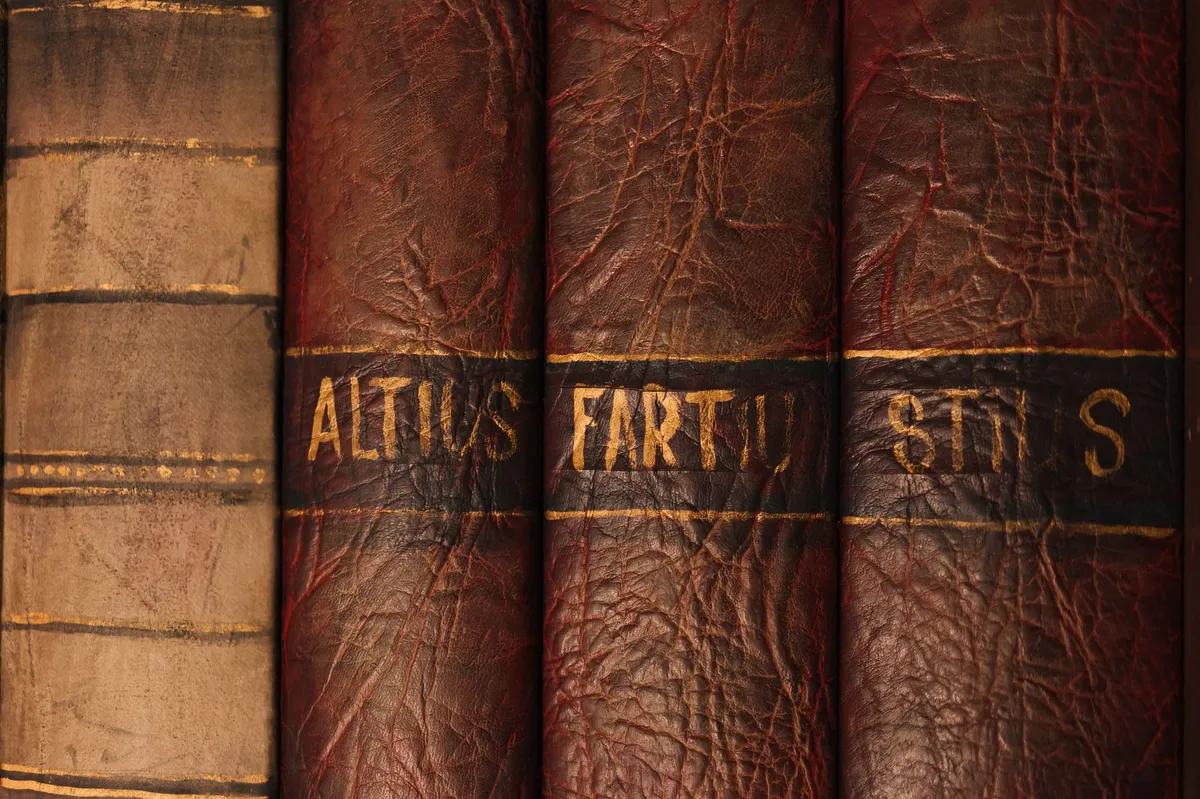
The Rising Tide of AI and Its Implications for Rare Books
The digital landscape is evolving rapidly, and AI has become a key player in shaping how we interact with information. As companies race to develop more sophisticated language models, the demand for diverse and high-quality training datasets escalates. Rare books, often filled with unique insights and historical context, present an enticing opportunity for AI firms. However, the ethical implications of sourcing these materials are troubling.
Legal and Ethical Dilemmas
Legally, AI firms may have the right to purchase and destroy books they own, but the ethical considerations are far more complex. The idea of destroying a physical book—especially one that may represent a significant cultural or historical milestone—raises questions about our values as a society. Critics argue that this practice amounts to a form of cultural vandalism, wiping out pieces of history for the sake of technological advancement.
Recent allegations against AI companies, including Anthropic, have fueled public outrage. A lawsuit revealed that millions of print books were reportedly destroyed to train AI models, igniting fears that this was just the tip of the iceberg. As social media erupted with anger, booksellers have taken a stand, advocating for the preservation of rare books and rallying against the potential for widespread destruction.

How AI Firms Are Responding
In response to the backlash, some AI firms have attempted to clarify their positions. For example, OpenAI and Microsoft are collaborating with Harvard librarians to train models on one million public-domain books, emphasizing a more responsible approach to data sourcing. Furthermore, Elon Musk's xAI has publicly committed to preserving rare books, stating that they will no longer destroy them for training purposes.
The Role of Technology in Preservation
Despite these reassurances, skepticism remains. The ambiguity surrounding what constitutes a “rare” book leaves room for interpretation, and many are unconvinced that the commitment to preservation is genuine. Additionally, the methods employed by AI companies in digitizing books remain a point of contention. While there are non-destructive scanning technologies available, such as the one patented by Google in 2009, many firms opt for quicker, cheaper alternatives that compromise the integrity of the materials.
The Internet Archive stands as a beacon of hope in the preservation debate. Known for its meticulous approach to digitization, the Archive prioritizes the careful handling of rare books. Their technique involves human operators who turn pages gently, ensuring that even the most fragile texts are treated with respect. This labor-intensive process contradicts the often hasty methods favored by AI firms, highlighting a fundamental difference in philosophy.

The Bookseller's Perspective
Booksellers are on the frontline of this issue, facing the dual challenges of navigating the complexities of AI-related orders while advocating for the preservation of rare books. Many have reported suspicious bulk orders that raise red flags, indicating potential AI involvement. For instance, an Irish bookstore recently flagged a request for 5,000 obscure titles, a stark departure from typical purchasing behavior.
Balancing Profit and Ethics
While some booksellers recognize the short-term financial benefits of fulfilling large orders, they are increasingly wary of compromising their integrity. Tomás Kenny from Kennys Bookshop has expressed his concerns, stating that accepting such orders may ultimately harm the industry they cherish. The fear is palpable: by enabling AI firms to access rare collections, booksellers might be signing their own death warrants, as the destruction of these books limits future generations' access to knowledge.
- Ethical Concerns: The destruction of rare books raises significant ethical questions about cultural preservation.
- Legislative Action: There may be a need for stricter regulations to protect rare texts from being destroyed.
- Public Awareness: Increased awareness and advocacy can help safeguard literary heritage.
- Alternative Solutions: Emphasizing non-destructive methods for digitization is essential.
Key Takeaways
- The destruction of rare books for AI data training poses a significant threat to cultural heritage.
- Some AI firms are working to preserve rare books, but skepticism remains about their intentions.
- Booksellers are increasingly vigilant about suspicious bulk orders that may indicate AI involvement.
- Non-destructive digitization methods exist, offering alternatives to harmful practices.
Frequently Asked Questions
Why are AI firms reportedly destroying rare books?
AI firms often seek high-quality texts for training their models, and rare books provide unique language and context that can enhance their algorithms. However, this has led to allegations of destruction, as companies may choose to buy and then pulp these books to create datasets quickly and cheaply.
Are there any regulations protecting rare books from destruction?
Currently, there are few specific regulations governing the destruction of rare books by AI firms. While ownership laws may allow firms to destroy their property, ethical and cultural considerations are prompting calls for stricter regulations to protect rare books as cultural artifacts.
What are some alternatives to the destructive methods used by AI firms?
Non-destructive scanning methods, such as those developed by the Internet Archive and Google, allow for the preservation of rare books while digitizing them. These techniques involve careful handling and human oversight to ensure that the physical integrity of the books is maintained.
How can the public help in preserving rare books?
Public awareness and advocacy play a critical role in preserving rare books. Supporting independent bookstores, participating in campaigns that promote literary preservation, and encouraging responsible practices among tech companies can all contribute to safeguarding our cultural heritage for future generations.
Comments
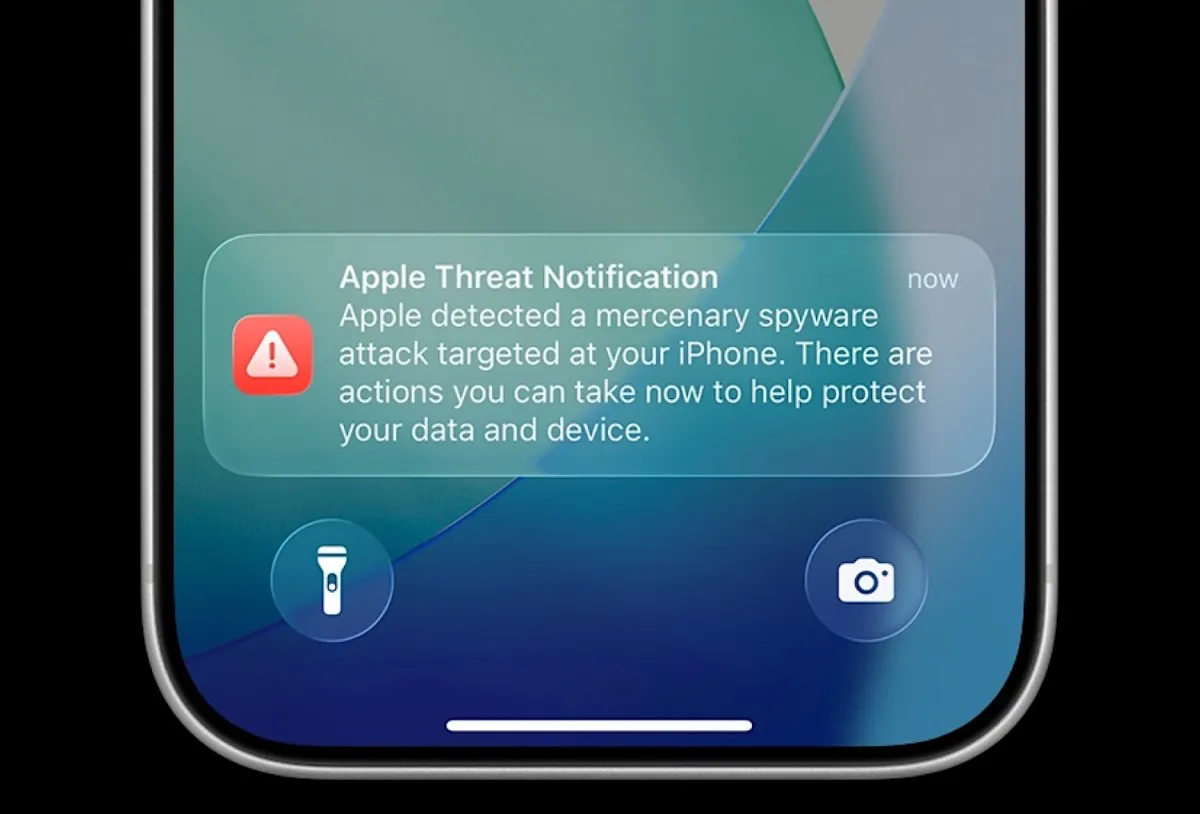
Apple’s New Push Notifications: A Crucial Warning Against Spyware Attacks
Apple is alerting users globally about potential spyware attacks on their devices. This new initiative underscores the urgent need for cybersecurity awareness and proactive measures among users.
Related articles



Popular in Cybersecurity
- Federal Mandate for Autonomous Vehicles: A Call for Safety Compliance
- EU Mandates Google to Share Data and Open AI on Android: What It Means
- GitHub Revamps Bug Bounty Program: Implications for Developers and Security
- Australian Government Disables Thousands of Functional Broadband Routers: A Wasteful Decision
- Exploiting Redis: Understanding Zero-Day Vulnerabilities and Their Mitigation