Exploiting Authentication Flaws: The SharePoint Vulnerability Crisis
Recent revelations about a critical SharePoint authentication bypass vulnerability highlight the urgent need for organizations to reassess their cybersecurity strategies. With proof-of-concept code now public, the risk of exploitation has escalated significantly.
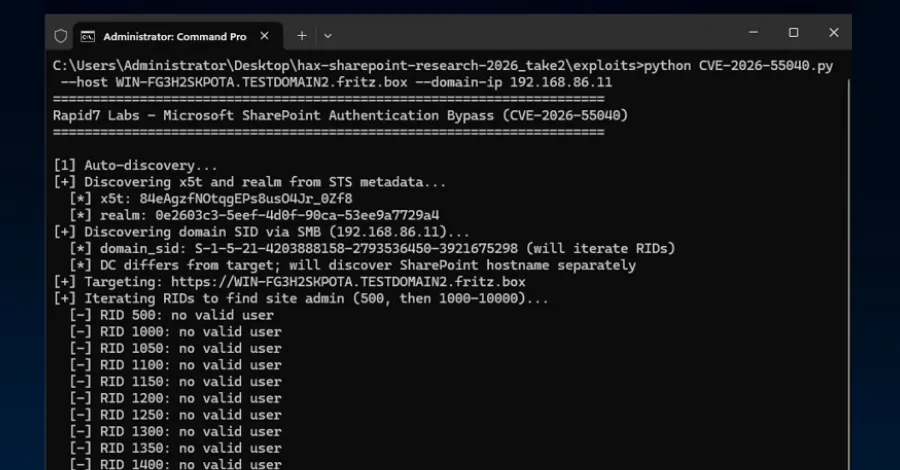
The cybersecurity landscape is continually evolving, and with it comes an array of vulnerabilities that organizations must vigilantly guard against. One such vulnerability has recently come to light in Microsoft SharePoint, where attackers are leveraging an authentication bypass flaw to exploit sensitive data and systems. With the public release of proof-of-concept (PoC) code, the urgency to address this issue has never been more critical, as organizations face heightened risks of exploitation.
SharePoint, a widely used platform for collaboration and document management, serves as the backbone for many enterprises. Its extensive use in handling sensitive data makes it an attractive target for cybercriminals. The recent discovery of an authentication bypass vulnerability in SharePoint not only underscores the need for robust security measures but also serves as a wake-up call for businesses to assess their cybersecurity posture.
Understanding the Authentication Bypass Vulnerability
Authentication is a fundamental aspect of any secure system, ensuring that only authorized users can access sensitive resources. The SharePoint vulnerability in question allows attackers to bypass authentication mechanisms, enabling unauthorized access to restricted areas of the platform. This issue arises due to flaws in how SharePoint processes authentication tokens, which can be exploited to gain elevated privileges.
How the Exploit Works
At its core, the vulnerability involves an attacker manipulating authentication requests to deceive the system into granting access. By leveraging the PoC code, attackers can quickly execute this exploit without needing extensive technical expertise. This ease of exploitation raises significant concerns, as it allows even less-sophisticated attackers to gain unauthorized access to sensitive information.
- Accessibility of PoC Code: The public availability of PoC code means that even novice attackers can replicate the exploit.
- Potential for Cross-Domain Exploitation: The flaw may allow attackers to escalate privileges across different domains, further widening the scope of potential damage.
- Implications for Sensitive Data: Once inside, attackers can exfiltrate sensitive data, deploy malware, or initiate further attacks within the organization.

The Broader Impact of Identity Exposure
This vulnerability is a stark reminder of how identity exposure can unlock active attack paths within an organization. When attackers gain unauthorized access, they can map out cross-domain privilege escalations, leading to severe consequences. The breach routes that open up at key choke points can compromise entire systems, allowing for devastating data loss and reputational damage.
Real-World Consequences
Organizations that fall victim to such attacks face a myriad of repercussions, including:
- Financial Loss: The immediate costs associated with a data breach can be staggering, often reaching millions of dollars in recovery efforts and fines.
- Reputational Damage: Companies that experience data breaches often suffer long-lasting damage to their brand, leading to loss of customer trust.
- Legal Ramifications: Breached organizations may face legal challenges from affected parties, further complicating recovery efforts.

Mitigating the Risks
To effectively protect against exploitation of the SharePoint authentication bypass vulnerability, organizations must take a proactive approach to cybersecurity. Here are several steps that can be taken:
1. Patch Vulnerabilities Promptly
As soon as patches are available from Microsoft, organizations should prioritize their deployment. Keeping software up to date is one of the most effective ways to mitigate security risks.
2. Conduct Regular Security Audits
Regularly auditing security protocols and configurations can help identify potential vulnerabilities before they can be exploited. This includes assessing user access levels and ensuring that least privilege principles are applied.
3. Implement Robust Monitoring Solutions
Organizations should invest in advanced monitoring solutions that can detect unusual access patterns or attempted exploits. This real-time visibility can allow for rapid response to potential threats.
Key Takeaways
- Urgent Vulnerability: The SharePoint authentication bypass vulnerability poses significant risks to organizations.
- Public PoC Code: The availability of PoC code increases the likelihood of exploitation.
- Proactive Measures Needed: Organizations must implement security patches, conduct audits, and monitor systems to mitigate risks.
Frequently Asked Questions
What is the SharePoint authentication bypass vulnerability?
The SharePoint authentication bypass vulnerability allows attackers to bypass authentication mechanisms, granting unauthorized access to restricted areas of the platform. This flaw arises from issues in how authentication tokens are processed, making it possible for attackers to manipulate requests to gain elevated privileges.
How can organizations protect themselves from this vulnerability?
Organizations can protect themselves by promptly applying security patches provided by Microsoft, conducting regular security audits to identify potential vulnerabilities, and implementing robust monitoring solutions to detect unusual access patterns. These proactive measures can help minimize the risks associated with this vulnerability.
What are the potential consequences of a breach due to this vulnerability?
The consequences of a breach can be severe, including financial losses from recovery efforts and fines, reputational damage that erodes customer trust, and legal ramifications from affected parties. Organizations must understand the full scope of the risks involved to take appropriate action.
Comments
Apple’s New Push Notifications: A Crucial Warning Against Spyware Attacks
Apple is alerting users globally about potential spyware attacks on their devices. This new initiative underscores the urgent need for cybersecurity awareness and proactive measures among users.

Related articles




Popular in Cybersecurity
- Federal Mandate for Autonomous Vehicles: A Call for Safety Compliance
- EU Mandates Google to Share Data and Open AI on Android: What It Means
- GitHub Revamps Bug Bounty Program: Implications for Developers and Security
- Australian Government Disables Thousands of Functional Broadband Routers: A Wasteful Decision
- Exploiting Redis: Understanding Zero-Day Vulnerabilities and Their Mitigation