Lazarus Exploits Windows Zero-Day: The Growing Threat of Cyber Backdoors
The Lazarus Group has recently taken advantage of a Windows zero-day vulnerability to gain SYSTEM access and deploy sophisticated backdoors. This incident highlights the increasing threats posed by advanced persistent threats (APTs) and the urgent need for enhanced cybersecurity measures in businesses.
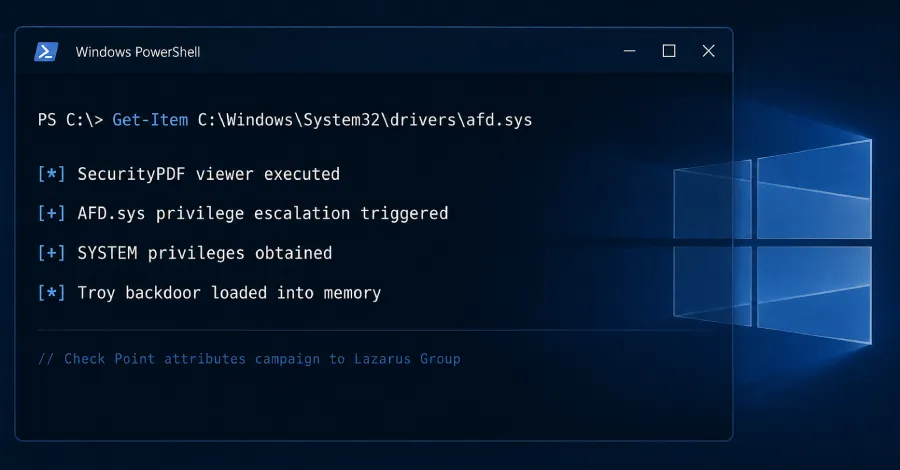
The tech world was shaken recently by revelations that the Lazarus Group, a notorious North Korean hacking organization, has exploited a zero-day vulnerability in Windows to gain SYSTEM-level access to targeted networks. This incident is a stark reminder of the persistent and evolving nature of cyber threats that businesses must navigate. As organizations increasingly rely on digital infrastructure, the stakes have never been higher. Cybercriminals are finding new ways to breach defenses, deploy backdoors, and maintain access to sensitive systems, often with devastating consequences.
Zero-day vulnerabilities, which are security flaws that are unknown to the software vendor, represent a significant risk, particularly when exploited by sophisticated actors like the Lazarus Group. Once these vulnerabilities are discovered and weaponized, they can provide attackers with a foothold in the target environment, enabling them to carry out a range of malicious activities, from data theft to ransomware deployment. This article aims to unpack the implications of the recent Lazarus exploit, provide context on the vulnerability landscape, and discuss what businesses can do to safeguard their networks.
The Lazarus Group: A Primer on APTs
Understanding the Lazarus Group requires a look into the world of Advanced Persistent Threats (APTs). These are highly organized groups that employ sophisticated tactics, techniques, and procedures (TTPs) to infiltrate networks and maintain long-term access. The Lazarus Group has been linked to numerous high-profile cyber attacks, including the Sony Pictures breach and the WannaCry ransomware incident.
What sets Lazarus apart is their ability to exploit both technical vulnerabilities and social engineering tactics. They often utilize spear-phishing emails as a primary vector for initial access, which is then followed by lateral movement within the network using advanced malware and backdoors. The recent exploitation of a Windows zero-day vulnerability showcases their relentless pursuit of access and control over targeted systems.
Understanding Zero-Day Vulnerabilities
Zero-day vulnerabilities are particularly dangerous because they are exploited before the vendor has a chance to issue a patch. Here’s how the lifecycle of a zero-day vulnerability generally unfolds:
- Discovery: An attacker discovers a flaw in software.
- Exploit Development: The attacker creates an exploit that takes advantage of the vulnerability.
- Exploitation: The attacker uses the exploit against unpatched systems.
- Patch Release: The vendor becomes aware and issues a patch.
- Post-Exploit Analysis: Organizations must respond to the breach and patch affected systems.

The Implications of the Recent Exploit
The recent exploit by the Lazarus Group has several far-reaching implications for organizations across various industries. First and foremost, the ability to gain SYSTEM-level access means that attackers can manipulate any aspect of the operating system. This can lead to data exfiltration, the installation of additional malware, and the potential for a full-blown ransomware attack.
Furthermore, the exploitation of a zero-day vulnerability raises questions about the security measures that organizations currently have in place. It underscores the necessity for robust patch management protocols and real-time monitoring of network activity. Vulnerability management tools must be employed to identify and mitigate risks before they can be exploited.
How Organizations Can Protect Themselves
Given the increasing sophistication of cyber threats, businesses must take proactive measures to protect their IT infrastructure. Here are some strategies to consider:
- Implement Multi-Factor Authentication: Adding an extra layer of security can prevent unauthorized access.
- Regularly Update Software: Ensure that all software, including operating systems, is up-to-date with the latest patches.
- Conduct Security Awareness Training: Educate employees about the risks of phishing and the importance of maintaining security hygiene.
- Deploy Intrusion Detection Systems (IDS): Use IDS to monitor network traffic for suspicious activity.
- Develop an Incident Response Plan: Have a clear plan in place for how to respond to a breach when it occurs.

The Role of Cross-Domain Privilege Escalation
Another facet of the Lazarus Group's tactics is their use of cross-domain privilege escalation to sever breach routes at key choke points. This technique allows attackers to move undetected from one domain or environment to another, often elevating their access level within the target network.
Organizations must recognize that securing one part of their network does not guarantee overall safety. Cybersecurity must be viewed holistically, with attention paid to potential vulnerabilities in all domains. Regular penetration testing and simulation exercises can help identify weak points and improve response strategies.

Key Takeaways
- The Lazarus Group has exploited a Windows zero-day vulnerability, gaining SYSTEM-level access to networks.
- Zero-day vulnerabilities can remain undetected until exploited, making them a significant risk for organizations.
- Proactive cybersecurity measures, including regular updates and employee training, are critical in defending against APTs.
- Cross-domain privilege escalation poses additional challenges, necessitating holistic cybersecurity approaches.
Frequently Asked Questions
What is a zero-day vulnerability?
A zero-day vulnerability is a security flaw in software that is not known to the vendor, meaning there is no patch available to fix it. These vulnerabilities are highly sought after by cybercriminals because they can be exploited before organizations have the chance to defend themselves.
How can businesses detect if they have been breached?
Detecting a breach can be challenging, but organizations can use various methods such as log analysis, intrusion detection systems (IDS), and security information and event management (SIEM) tools. Regular audits and continuous monitoring can also help identify unusual behavior that may indicate a breach.
What should I do if I suspect a cyber attack?
If you suspect a cyber attack, it's crucial to act quickly. Isolate affected systems to prevent further damage, notify your IT security team, and initiate your incident response plan. Conduct a thorough investigation to determine the extent of the breach and take necessary actions to secure your network.
Comments
Apple’s New Push Notifications: A Crucial Warning Against Spyware Attacks
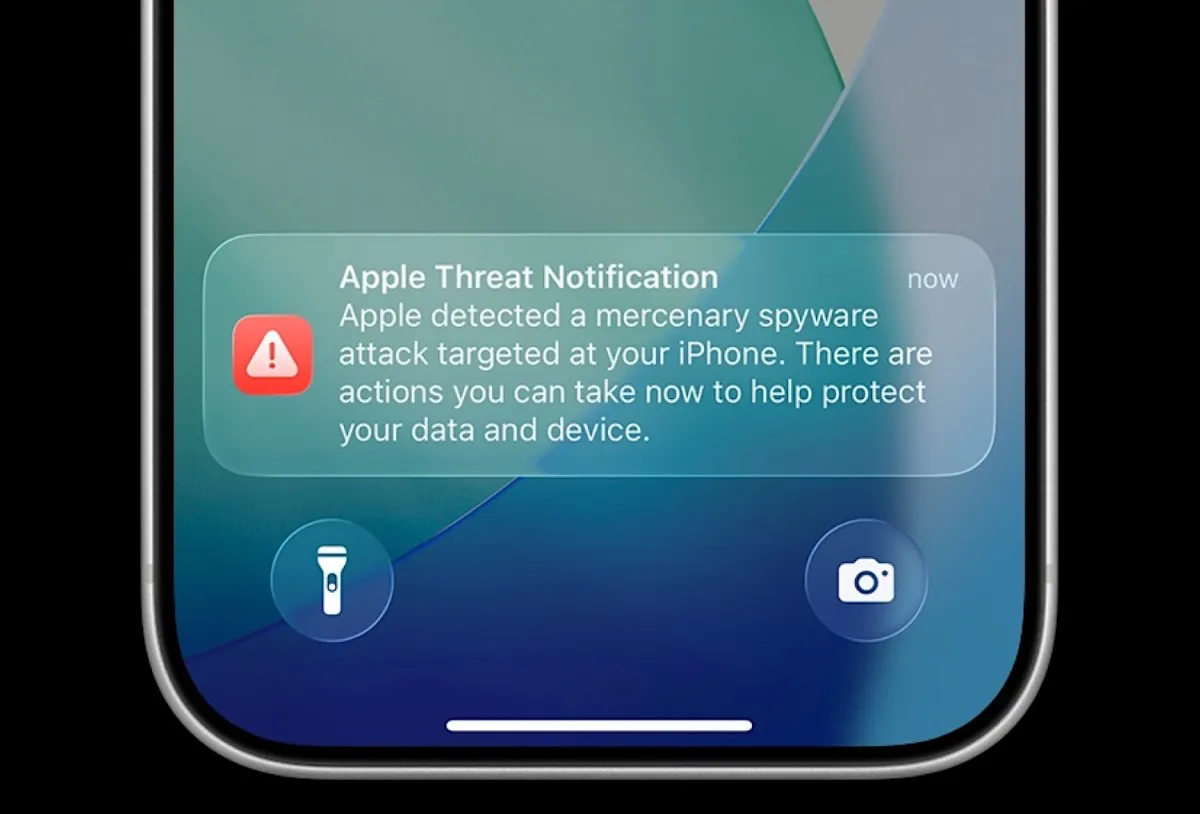
Apple is alerting users globally about potential spyware attacks on their devices. This new initiative underscores the urgent need for cybersecurity awareness and proactive measures among users.
Related articles




Popular in Cybersecurity
- Federal Mandate for Autonomous Vehicles: A Call for Safety Compliance
- EU Mandates Google to Share Data and Open AI on Android: What It Means
- GitHub Revamps Bug Bounty Program: Implications for Developers and Security
- Australian Government Disables Thousands of Functional Broadband Routers: A Wasteful Decision
- Exploiting Redis: Understanding Zero-Day Vulnerabilities and Their Mitigation