Flock's New Tool Aims to Combat Police Misuse of Surveillance Technology
Flock introduces new policies and tools designed to curb police abuse of its surveillance systems. While promising increased accountability, questions remain about the effectiveness of these measures.

In an era where surveillance technology is rapidly evolving, the need for accountability and transparency within law enforcement has never been more urgent. Flock, a startup specializing in automated license plate recognition systems, recently unveiled new policies and tools intended to address concerns over police misuse of its technology. Among these initiatives is a significant change in data retention policy, along with the introduction of features like 'Evidence Mode' and 'Audit Assistance.' While these measures have been touted as steps toward curbing abuse, they have also sparked a debate about their effectiveness and operational transparency.
Flock's announcement arrives amid growing scrutiny over how law enforcement agencies utilize surveillance technology. Recent incidents, including allegations of police officers misusing Flock’s systems for personal reasons, have raised alarms. With many stakeholders questioning the accountability of such technologies, Flock's new tools aim to provide a semblance of oversight. However, the real challenge lies in ensuring that these tools are effective in practice, and not merely cosmetic changes to appease critics.
Changes in Data Retention Policies
One of the most notable changes introduced by Flock is a reduction in the recommended data retention period for police departments. Previously, Flock encouraged agencies to retain data for 30 days; now, that window has been shortened to just seven days. This shift is designed to minimize the risk of misuse and protect citizens’ privacy. However, Flock has also introduced an 'Evidence Mode' that allows departments to retain data longer in exceptional cases, provided they have a specific case number.
This dual approach raises questions about what constitutes an 'exceptional case' and whether there will be adequate oversight in deciding when longer retention is warranted. Critics argue that without stringent guidelines and monitoring, this could lead to potential abuse, undermining the very purpose of reducing data retention in the first place.

Introducing Audit Assistance
Another key feature in Flock's arsenal is the 'Audit Assistance' tool, which the company claims is designed to detect abnormal activity within its systems. This tool automatically flags unusual search patterns for administrator review, helping to identify potential misuse before it escalates. For instance, if a user repeatedly searches for the same license plate over an extended period, the system will flag this behavior.
Flock's executives have emphasized the importance of this tool, suggesting it has already helped customers identify and rectify instances of abuse. However, the specifics of how Audit Assistance operates remain murky. Flock has stated that Audit Assistance is not based on machine learning or artificial intelligence, but rather functions as a data tool focused on flagging atypical search patterns. Critics, including privacy advocates, argue that the lack of clarity regarding the tool's operational mechanics raises concerns about its reliability.
Understanding Audit Patterns
During announcements, Flock executives hinted at how the system flags behaviors. For example, an officer searching the same license plate using multiple case codes could trigger an alert. However, essential questions linger: What kind of data is the tool trained on? How does it differentiate between benign and suspicious activity? Without an independent audit or clear performance metrics, the effectiveness of Audit Assistance remains in doubt.

Criticism and Concerns
Despite Flock’s assertions about the potential of its new tools, critics are not convinced. Chad Marlow, a senior policy counsel for the American Civil Liberties Union (ACLU), highlighted the lack of evidence supporting the effectiveness of Audit Assistance. He pointed out that while there have been arrests of officers for misuse, it remains unclear whether these incidents indicate that the tool is effective or if they simply reflect broader issues within law enforcement.
Moreover, privacy experts question whether the presence of tools like Audit Assistance is sufficient to ensure accountability. Cooper Quintin from the Electronic Frontier Foundation emphasized that if the tool works, law enforcement agencies could find ways to circumvent it. He argued that the critical issue is whether there are real consequences for abuse, suggesting that legislative measures might be necessary to enforce accountability.
Mandatory Implementation
In a move aimed at enhancing accountability, Flock has mandated that all customers enable Audit Assistance by the end of the year. While this is seen as a positive step, experts like Rachel Levinson-Waldman from the Brennan Center have called for independent audits of the tool to establish its effectiveness. In her view, while the concept of Audit Assistance is promising, its actual performance and impact must be scrutinized to ensure it fulfills its intended purpose.

The Broader Context of Surveillance Technology
The narrative surrounding Flock's new tools is reflective of a larger conversation about the role of surveillance technology in society. As law enforcement agencies increasingly adopt automated systems for monitoring citizens, the potential for misuse looms large. Instances of police officers using Flock’s systems for personal interests underscore the urgent need for robust checks and balances.
Flock’s recent tools may represent an attempt to address these concerns, yet the reality is that without transparent operations and independent oversight, they risk becoming mere window dressing. The introduction of measures like shorter data retention periods and Audit Assistance is a step in the right direction, but further actions are necessary to build trust with the public.
Key Takeaways
- Flock has reduced data retention from 30 to 7 days to enhance privacy protection.
- Audit Assistance is a new tool designed to flag unusual activity for review by administrators.
- Critics question the effectiveness of Flock's tools and call for independent audits.
- Mandatory implementation of Audit Assistance is set for the end of the year.
- Legislative measures may be needed to ensure accountability in surveillance technology.
Frequently Asked Questions
What is the purpose of Flock's new tools?
Flock’s new tools, including reduced data retention policies and the Audit Assistance feature, are designed to enhance accountability within law enforcement agencies using their surveillance technology. The goal is to prevent misuse and protect citizens’ privacy while allowing for necessary data retention in exceptional cases.
How does Audit Assistance work?
Audit Assistance is designed to flag unusual search patterns for review by administrators. It highlights atypical activity, such as repeated searches for the same license plate, and facilitates a documented workflow for addressing potential misuse. However, the specifics of its operational mechanics remain unclear, raising questions about its reliability.
Why are critics skeptical about Flock's measures?
Critics, including privacy advocates and legal experts, express skepticism due to the lack of transparency regarding how tools like Audit Assistance function and their effectiveness. Concerns also arise from the potential for law enforcement agencies to circumvent the measures, emphasizing the need for independent audits and legislative oversight.
What changes are being made to data retention policies?
Flock has reduced the recommended data retention period for police departments from 30 days to 7 days as a measure to enhance privacy. However, an 'Evidence Mode' allows for extended data retention in exceptional cases, raising questions about oversight and potential for misuse in determining what qualifies as exceptional.
Comments
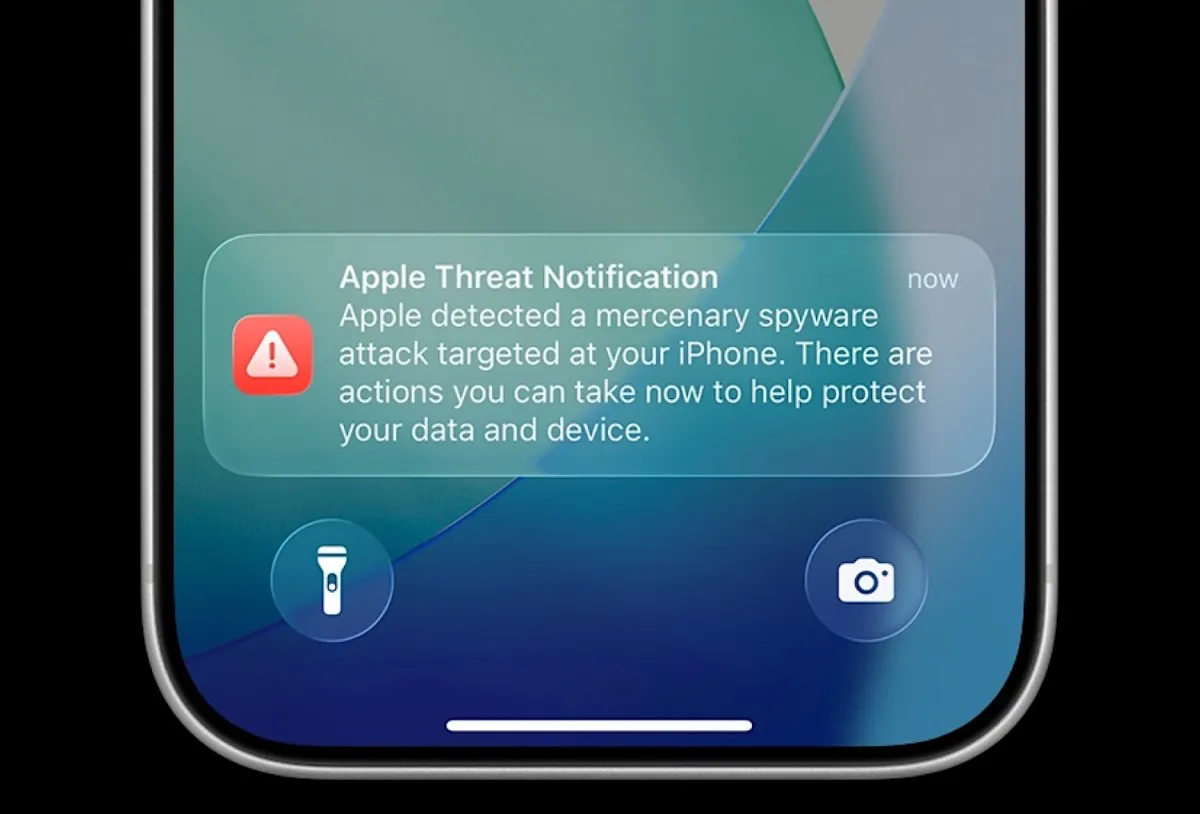
Apple’s New Push Notifications: A Crucial Warning Against Spyware Attacks
Apple is alerting users globally about potential spyware attacks on their devices. This new initiative underscores the urgent need for cybersecurity awareness and proactive measures among users.
Related articles



Popular in Cybersecurity
- Federal Mandate for Autonomous Vehicles: A Call for Safety Compliance
- EU Mandates Google to Share Data and Open AI on Android: What It Means
- GitHub Revamps Bug Bounty Program: Implications for Developers and Security
- Australian Government Disables Thousands of Functional Broadband Routers: A Wasteful Decision
- Exploiting Redis: Understanding Zero-Day Vulnerabilities and Their Mitigation