How Supply Chain Attacks Compromise WordPress Security: A Case Study
A recent supply chain attack targeting BdThemes highlights the vulnerabilities within WordPress plugins. This article explores the impact, implications, and preventive measures for businesses.
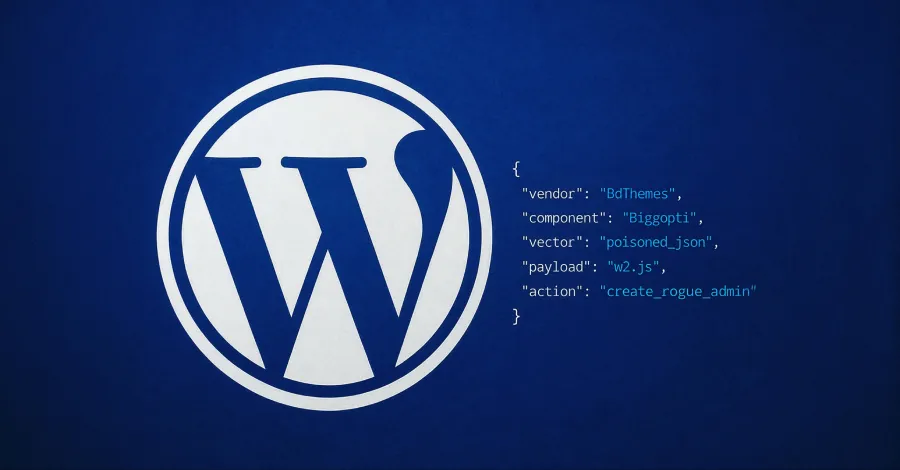
In an alarming turn of events, a supply chain attack has rocked the WordPress ecosystem, specifically targeting BdThemes, a well-known provider of WordPress themes and plugins. This incident exemplifies a growing trend in cybersecurity where attackers exploit vulnerabilities in third-party software to infiltrate systems and gain unauthorized access. The BdThemes attack involved the manipulation of JSON data to create rogue administrator accounts, highlighting significant security gaps in plugin development and management.
The implications of such breaches extend beyond immediate financial losses; they jeopardize user trust and can lead to further exploitation of connected systems. In this in-depth feature, we will unpack the BdThemes incident, the broader context of supply chain attacks, and the measures businesses can take to safeguard their WordPress installations against similar threats.
Understanding the BdThemes Incident
The BdThemes supply chain attack was executed with precision, utilizing a method that remains alarmingly effective in today’s cyber landscape. By injecting malicious JSON data into the plugin code, the attackers were able to create unauthorized WordPress administrator accounts. This type of exploit is particularly concerning because it provides attackers with full control over the affected websites, allowing them to manipulate content, steal sensitive user data, and potentially pivot to other systems connected to the compromised site.
How It Happened
Supply chain attacks often rely on a combination of social engineering and technical manipulation. In the case of BdThemes, it’s likely that attackers identified vulnerabilities in the plugin’s update mechanism or its communication with external databases. By exploiting these weaknesses, they could seamlessly inject their code without raising immediate alarms. This incident underscores the vital importance of vigilance in software development and the need for robust security protocols.

The Broader Landscape of Supply Chain Attacks
Supply chain attacks are not limited to WordPress plugins; they are a pervasive threat across all sectors that rely on third-party software and services. From major corporations to small businesses, the risks are significant. According to a report by the Cybersecurity and Infrastructure Security Agency (CISA), supply chain compromises accounted for a substantial percentage of breaches in recent years, emphasizing the need for organizations to adopt a comprehensive approach to security.
Common Techniques Used in Supply Chain Attacks
Attackers employ various tactics to infiltrate supply chains, including:
- Code Injection: Malicious code is inserted into legitimate software, often during the update process.
- Phishing: Targeting employees of software providers to gain access to sensitive credentials.
- Social Engineering: Manipulating stakeholders to procure insider information or access.
- Malware Distribution: Spreading malware through trusted third-party services or applications.
Impact on Businesses and Users
The fallout from supply chain attacks can be devastating. For businesses, the immediate effects include:
- Financial Losses: Costs associated with remediation efforts, potential fines, and loss of business.
- Reputation Damage: Loss of customer trust can lead to long-term brand damage.
- Legal Ramifications: Organizations may face lawsuits or regulatory penalties as a result of data breaches.
For users, the implications are equally severe, as sensitive personal information may be exposed or misused. This breach of trust can lead to consumer hesitancy in engaging with affected platforms or services, which can cripple a business’s ability to retain clients.
Preventive Measures for WordPress Users
In light of the BdThemes incident and the ongoing threat posed by supply chain attacks, WordPress users must take proactive steps to secure their websites. Here are several key practices to consider:
- Regular Updates: Always keep your WordPress core, themes, and plugins updated to the latest versions to mitigate vulnerabilities.
- Use Trusted Sources: Only install plugins and themes from reputable sources. Check reviews and histories to gauge reliability.
- Implement Security Plugins: Utilize security plugins that provide features like firewalls, malware scanning, and login protection.
- Conduct Regular Audits: Perform routine security audits of your website to identify and rectify potential vulnerabilities.
Key Takeaways
- Supply chain attacks like the BdThemes incident illustrate the vulnerabilities in third-party software.
- Companies must prioritize security and vet their software sources to prevent breaches.
- Regular updates and security audits are crucial for maintaining a secure WordPress environment.
- The impact of these attacks extends to both businesses and their users, emphasizing the need for robust cybersecurity measures.

Frequently Asked Questions
What is a supply chain attack?
A supply chain attack is a cybersecurity threat where an attacker targets a less secure element in a supply chain to compromise a larger system. This can involve manipulating software updates, exploiting vendor weaknesses, or injecting malicious code into legitimate applications.
How can I protect my WordPress site from supply chain attacks?
To protect your WordPress site, ensure you regularly update all components of your site, use only trusted plugins and themes, implement security measures like firewalls and malware scanners, and conduct periodic security audits to identify vulnerabilities.
What should I do if my site has been compromised?
If your site has been compromised, immediately take it offline to prevent further damage, notify your hosting provider, and begin the process of remediation. This may involve restoring from a clean backup, changing passwords, and conducting a thorough security audit to identify how the breach occurred.
Comments
Cybersecurity Alert: Hackers Target Power Plants via Private Networks
Recent breaches at a Polish power plant highlight vulnerabilities in critical infrastructure. Understanding these incidents is vital for enhancing cybersecurity measures.

Related articles



Popular in Cybersecurity
- Federal Mandate for Autonomous Vehicles: A Call for Safety Compliance
- EU Mandates Google to Share Data and Open AI on Android: What It Means
- GitHub Revamps Bug Bounty Program: Implications for Developers and Security
- Australian Government Disables Thousands of Functional Broadband Routers: A Wasteful Decision
- Exploiting Redis: Understanding Zero-Day Vulnerabilities and Their Mitigation