The Hidden Dangers of Malicious SIM Cards in Cellular IoT Devices
Malicious SIM cards pose significant risks to cellular IoT devices, enabling attackers to run harmful code. Understanding these vulnerabilities is crucial for businesses and consumers alike.
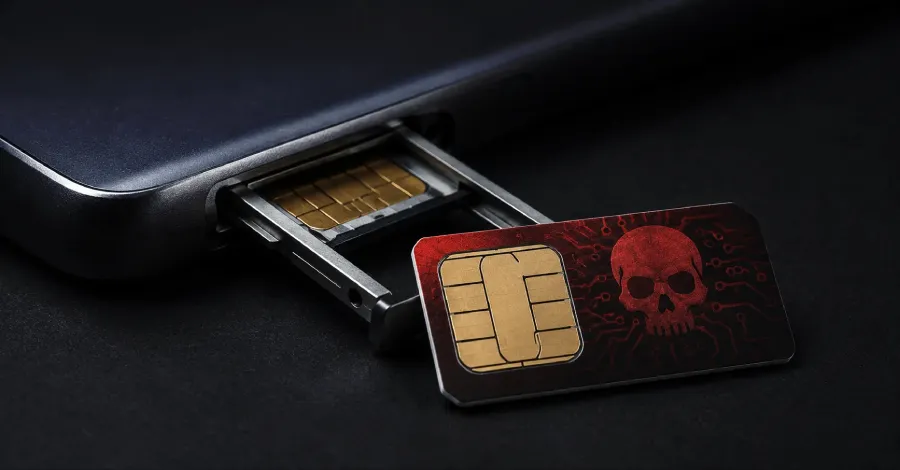
As the Internet of Things (IoT) continues to expand, integrating itself into various industries and daily life, the security of connected devices is under increasing scrutiny. An alarming trend has emerged where malicious SIM cards can exploit vulnerabilities in cellular IoT devices, granting attackers unprecedented access to sensitive systems. This article delves into the mechanics of these attacks, the implications for businesses and consumers, and the necessary steps to safeguard against such threats.
Understanding the Threat of Malicious SIM Cards
Cellular IoT devices, which include everything from smart meters and medical devices to industrial sensors, rely on SIM (Subscriber Identity Module) cards to connect to mobile networks. These SIM cards authenticate devices on the network and facilitate communication. However, if a SIM card is compromised or deliberately tampered with, it can become a conduit for malicious activities.
Malicious SIM cards can execute code within the modems of IoT devices, allowing attackers to manipulate device functionality, eavesdrop on communications, or even launch broader attacks on connected networks. This capability introduces a significant risk to organizations that depend on IoT technology for operational efficiency.

The Mechanics of Attack: How It Works
The process begins when an attacker gains physical access to a target device or orchestrates a supply chain attack, introducing a compromised SIM card into the manufacturing or distribution process. Once the malicious SIM card is installed, the attacker can execute a series of exploits:
- Privilege Escalation: The attacker can gain higher-level access to the device and its network.
- Data Interception: Sensitive data transmitted by the device can be captured.
- Remote Control: The attacker can issue commands to the device, altering its behavior.
With these capabilities, attackers can leverage compromised devices to pivot into more secure areas of the network, mapping out pathways to sensitive data and critical systems.
The Broader Implications for Businesses and Consumers
The ramifications of malicious SIM cards extend beyond individual devices. For businesses, the infiltration of IoT systems can lead to data breaches, operational disruptions, and financial losses. Consumers, particularly those using IoT devices in their homes, face risks of privacy violations and potential unauthorized surveillance.
Organizations that implement IoT solutions must prioritize security measures to defend against these threats. This includes conducting thorough security assessments of devices and their components, ensuring that the supply chain is secure, and leveraging technologies such as encryption and anomaly detection.

Strategies for Mitigating the Risks
To combat the threats posed by malicious SIM cards, businesses and consumers alike can adopt several proactive security strategies:
- Device Authentication: Ensure that only authorized devices can connect to the network.
- Regular Security Updates: Keep device firmware up to date to patch known vulnerabilities.
- Monitor Device Behavior: Implement monitoring solutions to detect unusual activity.
- Limit Physical Access: Secure devices to prevent unauthorized tampering.
By taking these steps, organizations can significantly reduce their exposure to the risks associated with malicious SIM cards.
Legal and Regulatory Considerations
As the threat landscape evolves, so too does the legal framework surrounding IoT security. Regulatory bodies are increasingly focusing on enforcing stringent security requirements for IoT devices, including those pertaining to authentication, data protection, and breach reporting.
Organizations must stay abreast of these developments, ensuring compliance with relevant regulations to avoid penalties and safeguard their operations. Furthermore, legal implications of data breaches can lead to lawsuits and reputational damage, underscoring the importance of robust security measures.

Key Takeaways
- Malicious SIM cards pose serious threats to cellular IoT devices, enabling attackers to run harmful code.
- Attackers can exploit vulnerabilities to gain unauthorized access and manipulate device behavior.
- Businesses and consumers should implement comprehensive security measures to mitigate risks.
- Legal compliance is crucial as regulations around IoT security evolve.
Frequently Asked Questions
What should I do if I suspect my IoT device has a malicious SIM card?
If you suspect that your IoT device may be compromised, it is crucial to disconnect it from the network immediately and assess the situation. Conduct a thorough investigation to determine the extent of the compromise, checking for unusual behavior or unauthorized access attempts. Depending on the findings, you may need to replace the SIM card and update the device firmware to secure it against future attacks.
How can businesses ensure the security of their IoT devices?
Businesses can enhance the security of their IoT devices by implementing a multi-layered security approach. This includes strong authentication protocols, regular security audits, and employee training on recognizing potential threats. Additionally, organizations should collaborate with manufacturers to ensure that devices are built with security in mind from the ground up.
Are there specific regulations I should be aware of regarding IoT security?
Yes, several regulations govern IoT security, including the General Data Protection Regulation (GDPR) in Europe and various state laws in the U.S. that focus on data privacy and security. Organizations should familiarize themselves with these regulations and ensure compliance to avoid legal repercussions and maintain trust with customers.
What are the potential consequences of failing to secure IoT devices?
Failing to secure IoT devices can lead to devastating consequences, including data breaches that compromise sensitive information, financial losses from operational disruptions, and damage to a company's reputation. Moreover, organizations may face legal action and regulatory penalties for non-compliance with security standards, making it imperative for businesses to prioritize IoT security.
Comments
How Supply Chain Attacks Compromise WordPress Security: A Case Study
A recent supply chain attack targeting BdThemes highlights the vulnerabilities within WordPress plugins. This article explores the impact, implications, and preventive measures for businesses.

Related articles





Popular in Cybersecurity
- Federal Mandate for Autonomous Vehicles: A Call for Safety Compliance
- EU Mandates Google to Share Data and Open AI on Android: What It Means
- GitHub Revamps Bug Bounty Program: Implications for Developers and Security
- Australian Government Disables Thousands of Functional Broadband Routers: A Wasteful Decision
- Exploiting Redis: Understanding Zero-Day Vulnerabilities and Their Mitigation