Cybersecurity Alert: Hackers Target Power Plants via Private Networks
Recent breaches at a Polish power plant highlight vulnerabilities in critical infrastructure. Understanding these incidents is vital for enhancing cybersecurity measures.
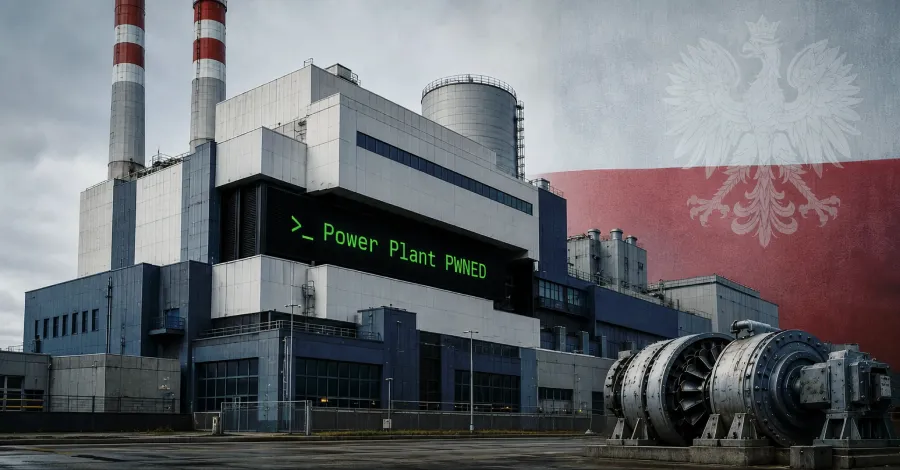
In a stark reminder of the vulnerabilities facing critical infrastructure, hackers successfully infiltrated a Polish power plant's control systems through a private cellular network, leading to the shutdown of a turbine. This incident underscores the increasing sophistication of cybercriminals who are now targeting essential services that millions rely on daily. As the digital landscape expands, so too does the attack surface for malicious actors.
The breach at the Polish facility is part of a troubling trend where hackers exploit weaknesses in private networks to disrupt operations in vital sectors such as energy, water, and transportation. This attack not only raises alarms about the integrity of power generation facilities but also serves as a wake-up call for organizations to evaluate their security protocols in an era where cyber threats are becoming more prevalent.
Understanding the Breach: How it Happened
This particular cyberattack highlights a significant vulnerability in the security infrastructure of critical facilities. By leveraging a private cellular network, hackers were able to bypass traditional defenses that would have been in place in more open network environments. Such networks are often considered secure; however, this incident reveals that they can still be susceptible to targeted attacks.
The Role of Private Networks
Private cellular networks are designed to provide dedicated, secure communication channels for organizations. They are often used in sectors where high reliability and low latency are essential, such as energy and healthcare. However, the hackers' ability to breach such a network illustrates that no system is entirely foolproof. Attackers may exploit misconfigurations, use social engineering tactics, or leverage zero-day vulnerabilities to gain access.
- Misconfigurations: Incorrectly set network parameters can leave doors open for intruders.
- Social Engineering: Attackers may deceive employees into providing access or sensitive information.
- Zero-Day Vulnerabilities: Unpatched software can become an entry point for cybercriminals.
The Impact of the Attack
The immediate effect of the breach was the shutdown of a turbine, which not only impacted the power generation capacity but also raised concerns about the safety of the facility. Such incidents can have cascading effects on the energy supply chain, potentially leading to blackouts or disruptions in service. Furthermore, public trust in the safety and reliability of essential services may be compromised.
Broader Implications for Critical Infrastructure
Cybersecurity experts warn that this incident reflects a broader trend of increasing cyber threats targeting critical infrastructure worldwide. With the rise of advanced persistent threats (APTs), organizations must recognize that attackers are often highly skilled and well-funded, making them formidable adversaries. The implications of a successful attack on a power plant extend beyond immediate operational disruptions; they can threaten national security and public safety.
Strengthening Security Protocols
In light of these threats, organizations must take proactive steps to bolster their cybersecurity measures. This includes implementing robust security frameworks, conducting regular risk assessments, and fostering a culture of security awareness among employees.
Recommended Best Practices
Organizations can adopt several best practices to enhance their security posture:
- Regular Security Audits: Conducting frequent evaluations of security measures can help identify vulnerabilities before they are exploited.
- Incident Response Plans: Establishing clear protocols for responding to security breaches can minimize damage and recovery time.
- Employee Training: Continuous education on security risks and phishing tactics can empower employees to act as the first line of defense.
Legal and Regulatory Considerations
The breach at the Polish power plant also raises important questions regarding legal and regulatory frameworks surrounding cybersecurity in critical infrastructure. Governments worldwide are grappling with how to enforce compliance and protect essential services from cyber threats.
Compliance and Accountability
In the United States, for example, the Cybersecurity and Infrastructure Security Agency (CISA) plays a crucial role in setting standards and providing guidance for critical infrastructure sectors. Companies must navigate a complex landscape of regulations and industry standards, which can vary significantly by sector. Failure to comply with these regulations can result in significant fines and damage to an organization's reputation.
Key Takeaways
- Hackers breached a Polish power plant via a private cellular network.
- The attack highlights vulnerabilities in critical infrastructure cybersecurity.
- Proactive security measures and employee training are essential for defense.
- Legal frameworks surrounding cybersecurity are evolving to address these threats.
Frequently Asked Questions
What measures can organizations take to protect against similar attacks?
Organizations can significantly reduce the risk of cyberattacks by implementing a multi-layered security approach. This includes utilizing firewalls, intrusion detection systems, and regularly updating software to patch vulnerabilities. Additionally, engaging in regular training for employees on cybersecurity awareness can help mitigate risks associated with social engineering attacks.
How do cyberattacks on critical infrastructure affect the general public?
Cyberattacks targeting critical infrastructure can have far-reaching consequences for the general public. Disruptions in power supply, water treatment, and transportation systems can impact daily life and safety. Furthermore, such breaches can undermine trust in public institutions and create panic among citizens concerned about their safety and security.
What role do government regulations play in cybersecurity for critical infrastructure?
Government regulations provide a framework for organizations to follow in order to enhance their cybersecurity posture. Regulations such as those established by CISA set mandatory standards for cybersecurity practices in critical sectors. Compliance with these regulations can help organizations protect themselves against cyber threats while also ensuring that they contribute to national security.
Comments
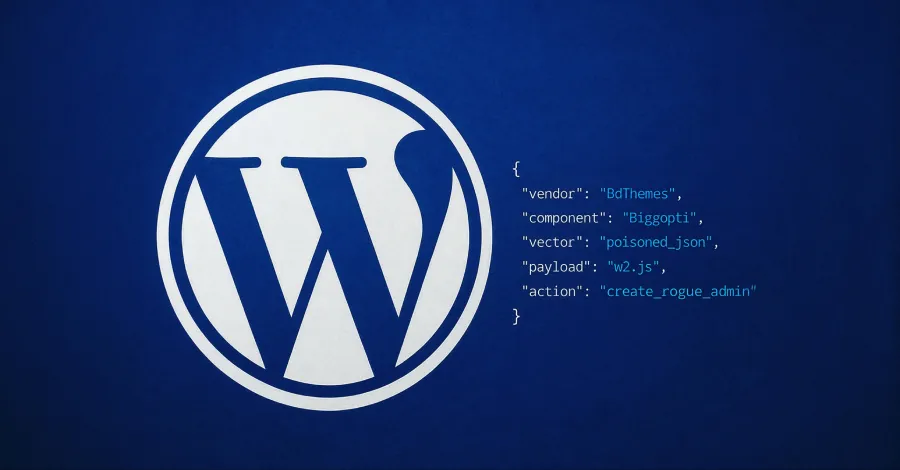
How Supply Chain Attacks Compromise WordPress Security: A Case Study
A recent supply chain attack targeting BdThemes highlights the vulnerabilities within WordPress plugins. This article explores the impact, implications, and preventive measures for businesses.
Related articles





Popular in Cybersecurity
- Federal Mandate for Autonomous Vehicles: A Call for Safety Compliance
- EU Mandates Google to Share Data and Open AI on Android: What It Means
- GitHub Revamps Bug Bounty Program: Implications for Developers and Security
- Australian Government Disables Thousands of Functional Broadband Routers: A Wasteful Decision
- Exploiting Redis: Understanding Zero-Day Vulnerabilities and Their Mitigation