How Malicious MCP Servers Threaten AI Coding Agents and Security
Malicious MCP servers pose a significant threat to AI coding agents by splitting instructions to exfiltrate sensitive data. Understanding this risk is crucial for businesses relying on AI technology.
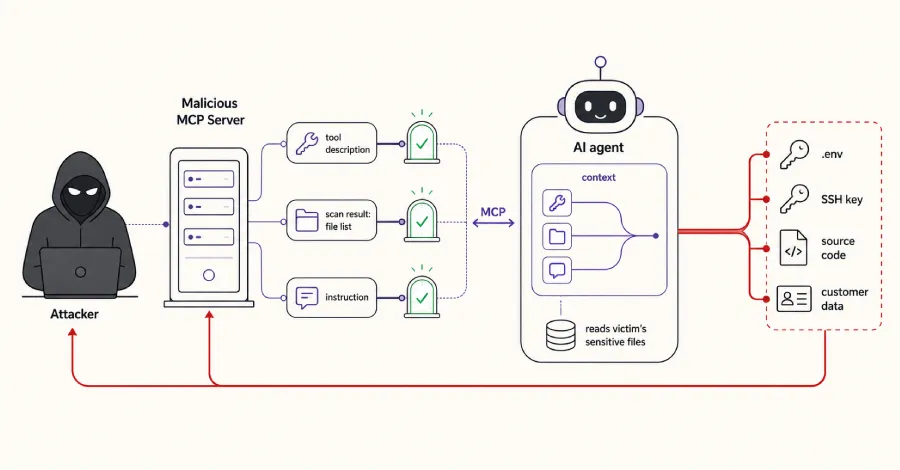
The rise of artificial intelligence (AI) in software development and data handling has been nothing short of revolutionary. However, with this advancement comes a new breed of threats that leverage these technologies for malicious purposes. One such threat involves malicious Model Control Protocol (MCP) servers that can manipulate AI coding agents to extract sensitive information. This alarming development underscores a critical need for businesses to reassess their security frameworks, particularly as they integrate AI into their operations.
As organizations increasingly depend on AI for tasks ranging from code generation to data processing, they inadvertently open pathways for cybercriminals. By exploiting vulnerabilities in AI systems, attackers can gain unauthorized access to confidential information, potentially leading to severe financial and reputational damage. Understanding how these malicious MCP servers operate is crucial for IT leaders and security professionals aiming to safeguard their assets.
Understanding MCP and Its Implications
The Model Control Protocol is a framework that facilitates communication between AI models and the systems that deploy them. In an ideal scenario, this protocol ensures that instructions are relayed accurately and securely. However, when compromised, malicious MCP servers can intercept and alter these communications, allowing attackers to manipulate AI coding agents into performing unintended actions.
Mechanics of the Attack
Malicious actors employ MCP servers to disseminate false instructions to AI agents, effectively splitting the tasks they are meant to execute. This manipulation can lead to various outcomes, including:
- Data Exfiltration: AI agents might be directed to gather sensitive information, such as proprietary code, user credentials, or financial data.
- Privilege Escalation: Attackers can exploit the AI’s access rights to gain higher privileges within a system, potentially leading to a complete takeover.
- Denial of Service: By overwhelming the system with erroneous instructions, attackers can cause significant downtime and disrupt business operations.

Real-World Consequences of AI Exploitation
The implications of these types of attacks are profound, as evidenced by several high-profile breaches where AI systems were weaponized against organizations. For instance, consider a scenario where an AI coding agent, initially designed to streamline software development, is manipulated into exfiltrating proprietary algorithms from a tech firm. The resulting data leak could not only compromise the company's competitive advantage but also expose it to legal ramifications due to breaches of data protection regulations.
Case Studies and Lessons Learned
Real-world stories illustrate the serious nature of AI exploitation:
- **Tech Giant Breach:** A well-known technology firm experienced a significant breach when attackers used compromised AI coding agents to siphon off user data, leading to a $50 million fine for non-compliance with data protection laws.
- **Healthcare Data Loss:** A healthcare provider found itself in hot water after AI systems were manipulated to access patient records, resulting in a $10 million settlement for failing to secure sensitive health information.
- **Retail Sector Incident:** An e-commerce platform faced operational disruptions when its AI agents were directed to flood the system with requests, causing a denial-of-service scenario that led to a loss of $1 million in revenue over a weekend.

Navigating the Threat Landscape
Given the increasing sophistication of cyber threats, organizations must prioritize their cybersecurity strategies to address the unique challenges posed by AI. Here are several key strategies that businesses can implement:
Implementing Robust Security Protocols
Organizations should adopt layered security measures that encompass:
- Access Controls: Ensure that only authorized personnel can interact with AI systems.
- Regular Audits: Conduct frequent security assessments to identify vulnerabilities in AI deployment.
- Intrusion Detection Systems: Employ tools that can detect unusual behavior indicative of compromise.

Key Takeaways
- Malicious MCP servers can manipulate AI coding agents, leading to data exfiltration and privilege escalation.
- Real-world incidents highlight the severe consequences of AI exploitation, with financial penalties and reputational damage at stake.
- Organizations must implement robust security measures to protect AI systems from cyber threats.
- Regular audits and access controls are essential in maintaining the integrity of AI deployments.
Frequently Asked Questions
What is an MCP server?
A Model Control Protocol (MCP) server is a system that facilitates communication between AI models and deployment environments. It plays a critical role in ensuring that AI systems function correctly and securely. When compromised, these servers can lead to severe security risks, including data breaches and unauthorized access.
How can businesses protect against MCP server threats?
Businesses can mitigate the risks associated with MCP servers by implementing strong access controls, conducting regular security audits, and employing intrusion detection systems. Additionally, keeping software and systems up to date can help patch vulnerabilities that attackers might exploit.
What are the consequences of AI system breaches?
The consequences of breaches involving AI systems can be severe, including financial losses, legal penalties, and reputational damage. Organizations may face fines for non-compliance with regulations, loss of customer trust, and potential operational disruptions as a result of compromised data integrity.
Are AI systems inherently vulnerable to attacks?
While AI systems offer numerous advantages, they are not immune to attacks. Their complexity and interconnectedness can create vulnerabilities that malicious actors may exploit. Therefore, proactive security measures are essential to safeguard these systems against evolving threats.
Comments
How Supply Chain Attacks Compromise WordPress Security: A Case Study
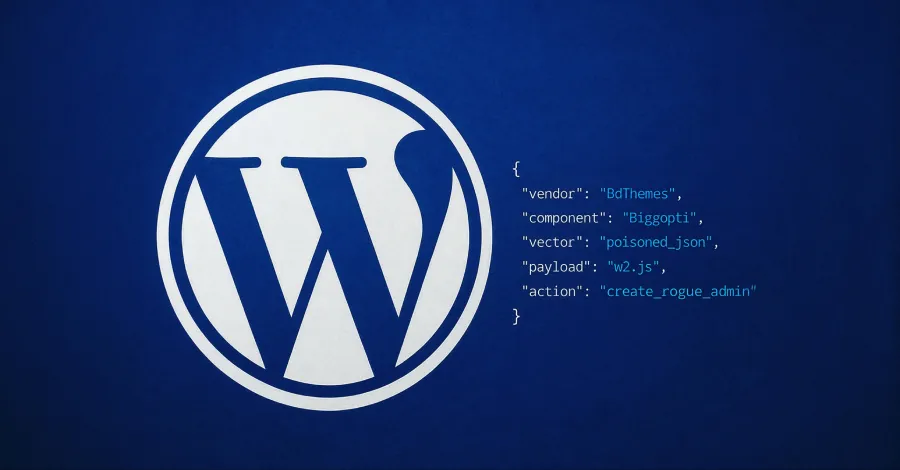
A recent supply chain attack targeting BdThemes highlights the vulnerabilities within WordPress plugins. This article explores the impact, implications, and preventive measures for businesses.
Related articles





Popular in Cybersecurity
- Federal Mandate for Autonomous Vehicles: A Call for Safety Compliance
- EU Mandates Google to Share Data and Open AI on Android: What It Means
- GitHub Revamps Bug Bounty Program: Implications for Developers and Security
- Australian Government Disables Thousands of Functional Broadband Routers: A Wasteful Decision
- Exploiting Redis: Understanding Zero-Day Vulnerabilities and Their Mitigation