Gunra Ransomware Targets Fortinet and Schneider Electric Vulnerabilities
Gunra ransomware is exploiting known vulnerabilities in Fortinet and Schneider Electric products, raising alarms for organizations worldwide. Understanding these threats is crucial for cybersecurity.
The emergence of sophisticated ransomware threats continues to challenge organizations around the globe, and the Gunra ransomware variant has recently caught the attention of cybersecurity experts. By exploiting known vulnerabilities in key products from Fortinet and Schneider Electric, Gunra has raised the stakes in the ongoing battle against cybercrime. As businesses increasingly rely on digital infrastructure, understanding these vulnerabilities and taking proactive measures to mitigate risks is more critical than ever.
Ransomware attacks typically leverage a combination of social engineering tactics and technical vulnerabilities, making them particularly daunting for IT teams. Gunra’s approach illustrates how attackers can map out active attack paths that lead to serious breaches, often by exploiting weaknesses in essential software and hardware systems. In this article, we will delve deeper into the implications of Gunra's tactics, the vulnerabilities it exploits, and actionable steps organizations can take to fortify their defenses.
Understanding Gunra Ransomware
Gunra ransomware is part of a growing trend where ransomware strains are becoming more targeted and sophisticated, focusing on specific vulnerabilities within widely used products. Recently, it has been reported that Gunra successfully exploits vulnerabilities in Fortinet's FortiOS and Schneider Electric’s various software solutions. For instance, Fortinet's security appliances are critical for network security, and any exploit can lead to devastating consequences.
Key Tactics Employed by Gunra
Gunra employs several tactics that enhance its effectiveness:
- Exploitation of Known Vulnerabilities: Gunra specifically targets vulnerabilities that have been publicly disclosed, which means organizations that haven't applied patches are at significant risk.
- Cross-Domain Privilege Escalation: By exploiting vulnerabilities across different domains, Gunra can gain elevated access rights, allowing it to navigate networks undetected.
- Active Attack Paths Mapping: Gunra's operators meticulously map out networks to identify critical choke points that can be leveraged for maximum impact.

Fortinet and Schneider Electric Vulnerabilities
Fortinet and Schneider Electric are leaders in their respective fields, providing essential cybersecurity and industrial automation solutions. However, their widespread use makes them prime targets for cybercriminals. The vulnerabilities exploited by Gunra are not just technical flaws; they are gateways into complex network environments.
Fortinet's FortiOS Vulnerability
FortiOS has been found to contain vulnerabilities that can allow remote code execution, enabling attackers to take control of devices without physical access. This is particularly concerning as Fortinet products are often deployed at the perimeter of corporate networks. Organizations are urged to regularly update their FortiOS installations, as patching known vulnerabilities is one of the most effective ways to safeguard against ransomware attacks.
Schneider Electric's Software Vulnerabilities
Schneider Electric’s software often supports critical infrastructure in manufacturing and energy sectors. Vulnerabilities within their platforms can lead to unauthorized access to sensitive operational technology (OT) networks. Attackers exploiting these vulnerabilities can not only encrypt files but also disrupt critical processes, leading to significant operational downtime and financial losses.
The Importance of Proactive Cybersecurity
In the face of evolving threats like Gunra ransomware, organizations must adopt a proactive cybersecurity posture. This includes not only patch management but also regular risk assessments and employee training initiatives. Cyber hygiene practices should be a fundamental part of the organizational culture.
Best Practices for Organizations
To effectively defend against ransomware threats like Gunra, organizations should consider implementing the following best practices:
- Regular Software Updates: Ensure that all software, particularly that which is critical to operations, is kept up to date with the latest security patches.
- Network Segmentation: Limit the spread of ransomware by segmenting networks, ensuring that even if one part is compromised, the entire organization isn't at risk.
- Employee Training: Conduct regular training sessions to educate employees about phishing attacks and other social engineering tactics.
- Incident Response Plan: Develop a robust incident response plan that outlines actions to take in the event of a ransomware attack, including communication strategies and recovery processes.

Key Takeaways
- Gunra ransomware exploits vulnerabilities in Fortinet and Schneider Electric products, leading to severe risks for organizations.
- Understanding the tactics used by ransomware can help organizations prepare and respond more effectively.
- Proactive measures, including regular updates and employee training, are essential for cybersecurity resilience.
Frequently Asked Questions
What are ransomware attacks and how do they work?
Ransomware attacks involve malicious software that encrypts a victim's files, rendering them inaccessible until a ransom is paid. These attacks typically start with phishing emails, malicious downloads, or exploitation of vulnerabilities, leading to unauthorized access to systems. Once access is gained, the attacker deploys the ransomware, and the victim is presented with a demand for payment, often in cryptocurrency.
How can organizations protect against ransomware attacks?
Organizations can protect against ransomware by implementing comprehensive cybersecurity strategies that include regular software updates, network segmentation, employee training, and maintaining robust backup systems. It's crucial to ensure that backups are not accessible from the network to prevent ransomware from encrypting backup files as well.
What should I do if my organization is attacked by ransomware?
If your organization falls victim to a ransomware attack, the first step is to isolate the infected systems to prevent further spread. Following this, notify law enforcement and initiate your incident response plan, which should outline steps to recover data and communicate with stakeholders. Ultimately, organizations must weigh the decision of whether to pay the ransom, which is often discouraged by law enforcement.
Comments
How Supply Chain Attacks Compromise WordPress Security: A Case Study
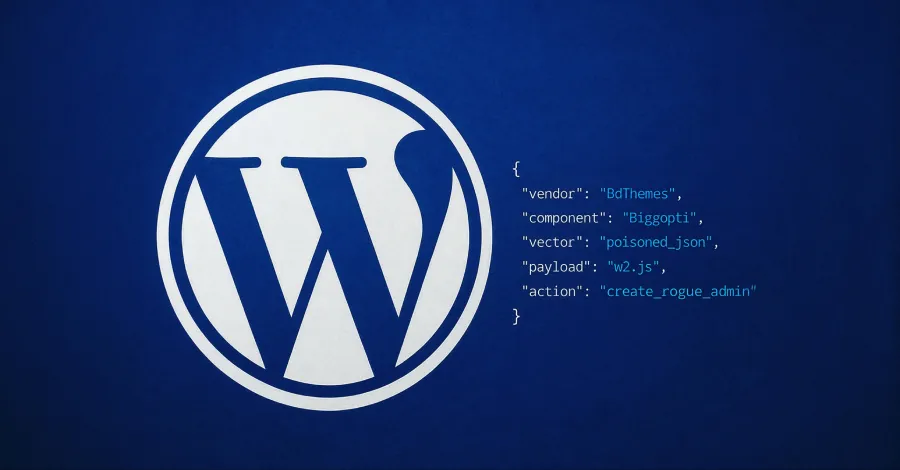
A recent supply chain attack targeting BdThemes highlights the vulnerabilities within WordPress plugins. This article explores the impact, implications, and preventive measures for businesses.
Related articles




Popular in Cybersecurity
- Federal Mandate for Autonomous Vehicles: A Call for Safety Compliance
- EU Mandates Google to Share Data and Open AI on Android: What It Means
- GitHub Revamps Bug Bounty Program: Implications for Developers and Security
- Australian Government Disables Thousands of Functional Broadband Routers: A Wasteful Decision
- Exploiting Redis: Understanding Zero-Day Vulnerabilities and Their Mitigation