Understanding the Rise of RATs: DoubleCup's CountLoader and DeviceManager Exploits
Explore the emerging threats posed by DoubleCup's use of CountLoader and DeviceManager RATs. Learn how these tactics can impact organizations and what measures can be taken to mitigate risks.
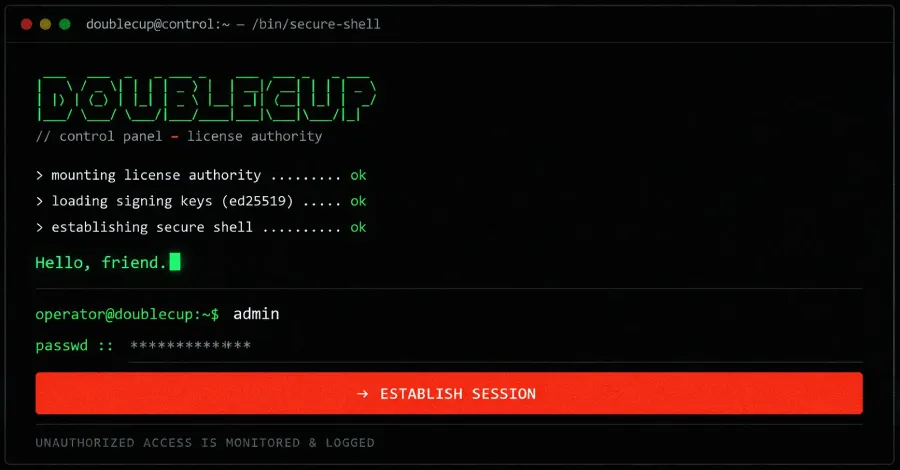
The cybersecurity landscape is constantly evolving, with new threats emerging almost daily. Recently, the use of Remote Access Trojans (RATs) has become a significant concern for organizations worldwide. Among the most notable players in this arena is a group known as DoubleCup, which has been leveraging sophisticated techniques such as ClickFix and Cached PNGs to deliver malicious tools like CountLoader and DeviceManager. Understanding these tactics and their implications is essential for businesses looking to fortify their defenses against cyber threats.
Remote Access Trojans, or RATs, are malware programs that allow a remote attacker to control a system as if they had physical access to it. The ability of these trojans to operate stealthily and gain access to sensitive information makes them a favorite tool among cybercriminals. The CountLoader and DeviceManager RATs, in particular, have garnered attention due to their unique deployment methods and the potential impact they can have on compromised systems.
Understanding DoubleCup's Tactics
DoubleCup has distinguished itself in the cybercrime scene by employing innovative delivery mechanisms for its RATs. The use of ClickFix and Cached PNGs exemplifies the group's ability to adapt and employ non-traditional methods for malware distribution.
ClickFix: A New Approach to Malware Delivery
ClickFix is an advanced technique that takes advantage of common user behaviors to execute malicious payloads. By embedding RATs within seemingly legitimate applications or processes, attackers can trick users into unwittingly executing malware. This tactic highlights a critical security gap in software deployment and user training, where unsuspecting users may inadvertently compromise organizational security.
Cached PNGs: Evading Detection
Cached PNGs offer a compelling way for DoubleCup to hide malicious content. By utilizing image files that are often overlooked in security scans, attackers can deliver payloads without raising red flags. This method not only enables the RATs to bypass conventional detection systems but also complicates efforts to identify and neutralize threats post-infection.

Implications of CountLoader and DeviceManager RATs
The introduction of CountLoader and DeviceManager RATs has significant implications for organizations. Once inside a network, these RATs can enable a range of malicious activities, including data exfiltration, unauthorized access to sensitive information, and even lateral movement within corporate networks.
Data Exfiltration Risks
One of the most pressing threats posed by these RATs is their ability to exfiltrate data. Cybercriminals can leverage the access gained through these trojans to siphon off sensitive information, including personal data, financial records, and proprietary business information. The consequences of such breaches can be severe, leading to regulatory penalties, reputational damage, and significant financial losses.
Unauthorized Access and Expanded Attack Surfaces
Moreover, once a RAT establishes a foothold within a network, it can facilitate cross-domain privilege escalation. This means that attackers can move laterally across networks, gaining access to systems and data they were not initially authorized to interact with. This expanded attack surface can make it increasingly difficult for organizations to control and secure their environments, creating multiple potential breach points.

Mitigating the Risks: Best Practices
With the growing threat of RATs like CountLoader and DeviceManager, organizations must take proactive steps to protect their systems. Below are several best practices that can help mitigate these risks:
- Implement Robust Security Training: Educating employees about the risks associated with phishing and malware can significantly reduce the likelihood of successful attacks.
- Regular Software Updates: Keeping software up to date can help patch vulnerabilities that attackers might exploit to deliver their RATs.
- Employ Advanced Threat Detection: Utilize security tools that can detect and respond to anomalous behavior indicative of RAT activity.
- Network Segmentation: Implementing network segmentation can limit the lateral movement of attackers, making it harder for them to escalate privileges.

Key Takeaways
- DoubleCup employs innovative techniques like ClickFix and Cached PNGs to deliver RATs.
- CountLoader and DeviceManager RATs pose significant data exfiltration and unauthorized access risks.
- Organizations must implement robust training and security measures to mitigate RAT threats.
- Regular updates and advanced threat detection can help safeguard networks against emerging threats.
Frequently Asked Questions
What are Remote Access Trojans (RATs)?
Remote Access Trojans (RATs) are malicious software programs that allow an attacker to gain control of a victim's computer remotely. They can be used for various nefarious purposes, including stealing sensitive data, installing additional malware, and monitoring user activity without consent. Because of their stealthy nature, RATs can often go undetected for long periods, making them a significant threat to cybersecurity.
How can organizations detect RATs on their networks?
Detection of RATs typically involves monitoring for unusual network traffic, unauthorized access attempts, and unexpected changes to system configurations. Using advanced threat detection systems, organizations can analyze behavioral anomalies that could indicate the presence of a RAT. Regular security audits and endpoint monitoring are also essential components of an effective detection strategy.
What steps can individuals take to protect themselves from RATs?
Individuals can protect themselves from RATs by practicing safe browsing habits, avoiding suspicious downloads, and keeping their antivirus software up to date. Additionally, being cautious about clicking links in unsolicited emails or messages can help reduce the risk of inadvertently downloading RATs or other types of malware.
What should organizations do in the event of a RAT infection?
In the event of a RAT infection, organizations should immediately isolate the affected systems to prevent further spread of the malware. Following this, a thorough investigation should be conducted to understand the extent of the breach and mitigate any damage. It is also crucial to notify affected parties and regulatory bodies if sensitive data was compromised, as this is often a legal requirement.
Comments
The Hidden Dangers of Location Data Sharing in Android Apps
Recent findings reveal that Android app developers may unknowingly share user location data with advertisers due to default settings in third-party code. This article explores the implications for developers, users, and the industry at large.

Related articles



Popular in Cybersecurity
- Federal Mandate for Autonomous Vehicles: A Call for Safety Compliance
- EU Mandates Google to Share Data and Open AI on Android: What It Means
- GitHub Revamps Bug Bounty Program: Implications for Developers and Security
- Australian Government Disables Thousands of Functional Broadband Routers: A Wasteful Decision
- Exploiting Redis: Understanding Zero-Day Vulnerabilities and Their Mitigation