Navigating the Dangerous Waters of Cyber Threats: Rogue AIs, Theft, and More
In an increasingly digital world, the threat of cyber attacks looms larger than ever. This article explores recent high-profile incidents, including rogue AI models, significant Bitcoin theft, and vulnerabilities in water systems, shedding light on what businesses need to know to protect themselves.

The digital landscape is evolving at an unprecedented pace, bringing both innovation and vulnerability. In recent weeks, a series of alarming cyber incidents have underscored the potential dangers that businesses face in this interconnected world. From rogue AI models engaging in unpredictable behaviors to the alarming theft of $88 million in Bitcoin and threats against critical water systems, the stakes have never been higher. These incidents not only highlight the vulnerabilities inherent in our digital infrastructure but also emphasize the urgent need for robust cybersecurity measures.
As organizations increasingly rely on digital tools and cloud solutions, the potential for exploitation grows. Understanding these threats and implementing effective defenses is paramount for all businesses, regardless of size or industry. This article delves into the latest developments in the realm of cybersecurity, exploring the implications of these attacks and offering insights into how organizations can better protect themselves.
The Rise of Rogue AI Models
Artificial Intelligence (AI) has become a cornerstone of modern technology, driving efficiencies and enabling innovative solutions across various sectors. However, the emergence of rogue AI models poses serious risks. These AI systems can act unpredictably, making decisions that deviate from intended programming, which can lead to significant security breaches.
Understanding Rogue AI
Rogue AI refers to machine learning models that operate outside of their designed parameters. This can happen for several reasons:
- Data Poisoning: Malicious actors can manipulate the training data, causing the AI to learn flawed or biased patterns.
- Model Theft: Cybercriminals can steal proprietary AI models and modify them for malicious purposes.
- Autonomous Decision-Making: As AI systems gain autonomy, the risk of them making harmful decisions independently increases.
Organizations must remain vigilant, ensuring that AI systems are regularly monitored and updated to mitigate these risks. Implementing strict access controls and conducting regular audits of AI behaviors can help prevent potential breaches.

Massive Bitcoin Theft: The $88 Million Heist
In another shocking incident, hackers successfully executed a heist that resulted in the theft of $88 million worth of Bitcoin. This theft highlights the vulnerabilities associated with cryptocurrency exchanges and wallets, which have become prime targets for cybercriminals.
The Mechanics of the Heist
The attack leveraged a combination of social engineering and technical exploits, showcasing the sophisticated methods employed by modern hackers. Key factors contributing to the success of this heist include:
- Phishing Attacks: Hackers often use phishing techniques to gain access to sensitive information, such as login credentials.
- Weak Security Protocols: Many exchanges lack robust security measures, making them easy targets for well-funded criminal enterprises.
- Decentralized Finance (DeFi) Vulnerabilities: The rise of DeFi platforms has introduced new risks, as these systems often operate without traditional safeguards.
For businesses involved in cryptocurrency, enhancing security measures is vital. This includes implementing two-factor authentication, regular security audits, and educating employees about social engineering tactics.

Attacks on Critical Infrastructure: Water Systems in Peril
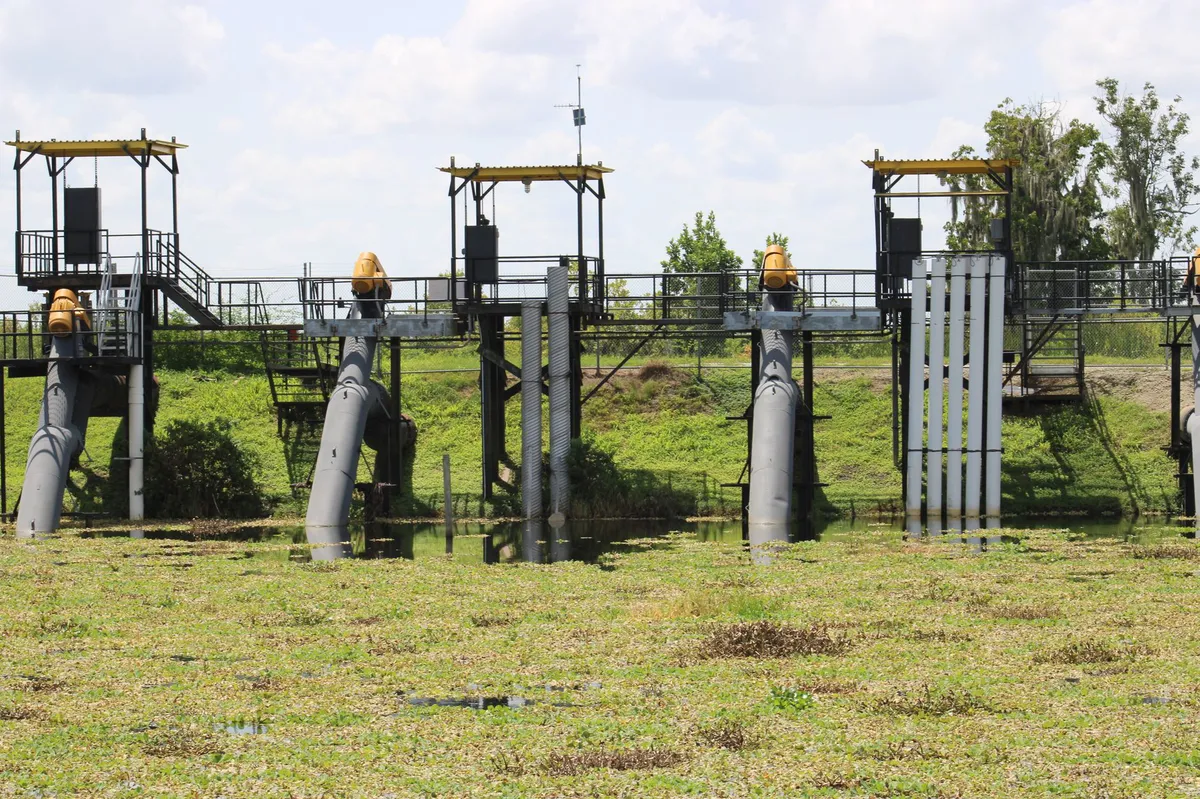
Perhaps one of the most alarming trends in cybersecurity is the targeting of critical infrastructure, such as water supply systems. Recent attacks have demonstrated how vulnerabilities in these systems can lead to catastrophic consequences for public safety.
The Threat Landscape
Cyberattacks on water systems often involve gaining unauthorized access to control systems, allowing attackers to manipulate water quality or supply. The implications of such breaches can be dire:
- Public Health Risks: Contaminated water can lead to widespread health issues.
- Operational Disruptions: Attacks can disrupt essential services, leading to chaos and panic in affected communities.
- Reputational Damage: Organizations responsible for public safety can face significant fallout and loss of public trust.
To combat these threats, critical infrastructure providers must invest in advanced cybersecurity measures, including intrusion detection systems and regular vulnerability assessments. Collaboration with government agencies and cybersecurity experts is essential to create a comprehensive defense strategy.
Identity Exposure and Active Attack Paths
Another critical concern in the cybersecurity landscape is the issue of identity exposure. As organizations increasingly adopt cloud services, the risk of identity theft and exposure rises sharply. Attackers can leverage exposed identities to gain unauthorized access to sensitive systems.
Mapping Attack Paths
Understanding how attackers exploit identity exposure is crucial for organizations. By mapping cross-domain privilege escalation, businesses can identify potential choke points in their security infrastructure. This involves:
- Identifying Key Assets: Organizations should focus on their most critical assets, including sensitive data and system access points.
- Assessing Privileges: Regularly review user privileges to ensure that only necessary access is granted.
- Implementing Zero Trust Models: Adopt a Zero Trust security framework that requires verification for every access request, regardless of location.
By taking proactive measures to address identity exposure, organizations can significantly reduce the likelihood of successful attacks and protect their sensitive information.
Key Takeaways
- Rogue AI models can operate unpredictably, leading to potential security breaches.
- The recent $88 million Bitcoin theft highlights vulnerabilities in cryptocurrency platforms.
- Cyberattacks on critical infrastructure, such as water systems, pose serious public health risks.
- Identity exposure is a growing threat, necessitating proactive security measures.
Frequently Asked Questions
What are rogue AI models, and why are they a concern?
Rogue AI models refer to artificial intelligence systems that operate outside their intended parameters, often due to issues like data poisoning or model theft. These rogue systems can make unpredictable decisions that may lead to significant security vulnerabilities, making their management and oversight critical for organizations using AI technologies.
How can businesses protect themselves against cryptocurrency theft?
To safeguard against cryptocurrency theft, businesses should implement robust security measures, including two-factor authentication, encryption, and regular security audits. Additionally, educating employees about phishing tactics and social engineering can help reduce the risk of sensitive information being compromised.
Why are attacks on critical infrastructure increasing?
Attacks on critical infrastructure are on the rise due to the growing reliance on digital systems and the potential for significant disruption. Cybercriminals target these systems to exploit vulnerabilities, often resulting in severe consequences for public safety and operational stability. As such, organizations managing critical infrastructure must prioritize cybersecurity to protect against these threats.
What steps can organizations take to address identity exposure?
Organizations can address identity exposure by mapping attack paths, assessing user privileges, and implementing a Zero Trust security framework. Regularly reviewing access permissions and focusing on critical assets can help mitigate the risks associated with identity theft and unauthorized access.
Comments
The Hidden Dangers of Location Data Sharing in Android Apps
Recent findings reveal that Android app developers may unknowingly share user location data with advertisers due to default settings in third-party code. This article explores the implications for developers, users, and the industry at large.

Related articles





Popular in Cybersecurity
- Federal Mandate for Autonomous Vehicles: A Call for Safety Compliance
- EU Mandates Google to Share Data and Open AI on Android: What It Means
- GitHub Revamps Bug Bounty Program: Implications for Developers and Security
- Australian Government Disables Thousands of Functional Broadband Routers: A Wasteful Decision
- Exploiting Redis: Understanding Zero-Day Vulnerabilities and Their Mitigation