Ransomware's Rise: The Exploitation of SonicWall SMA 1000 Vulnerabilities
Ransomware attacks are evolving, with a focus on exploiting SonicWall SMA 1000 vulnerabilities. This article explores the implications for businesses and strategies for protection.
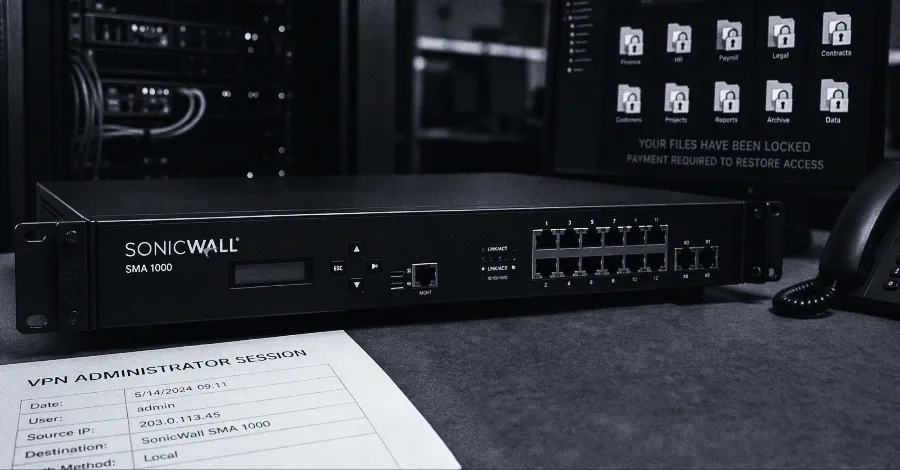
In the ever-evolving landscape of cybersecurity threats, ransomware has increasingly become the weapon of choice for cybercriminals. Recent reports indicate that vulnerabilities within SonicWall's SMA 1000 series have emerged as a significant target for ransomware operators. This shift not only highlights the need for stronger security measures but also raises critical questions about how businesses can effectively protect themselves against these targeted attacks.
As organizations continue to adopt remote work solutions and rely on cloud-based infrastructures, the vulnerabilities in these systems can expose them to serious risks. The SonicWall SMA 1000 flaws demonstrate a clear and present danger, where attackers can exploit weaknesses to gain unauthorized access, leading to data breaches, financial losses, and reputational damage.
Understanding the SonicWall SMA 1000 Vulnerabilities
The SonicWall SMA 1000 series is designed to provide secure access to applications and data for remote workers. However, recent vulnerabilities have been identified that can be exploited by attackers. These flaws allow unauthorized individuals to bypass security protocols, leading to potential data exposure and system compromise.
The Nature of the Vulnerabilities
These vulnerabilities are particularly concerning due to their potential for cross-domain privilege escalation. This means that an attacker can gain elevated access rights within a network, allowing them to move laterally and access sensitive information. For example, a cybercriminal could exploit these vulnerabilities to gain access to a corporate network and extract confidential data or deploy ransomware across the system.

Real-World Implications of Ransomware Exploitation
The impact of ransomware attacks exploiting these vulnerabilities can be profound. Businesses that fall victim to such attacks may experience significant operational disruptions, financial losses, and damage to their brand reputation. The cost of recovery can be astronomical, often exceeding hundreds of thousands of dollars, depending on the size of the organization and the extent of the breach.
Case Studies: Lessons Learned
- Healthcare Sector: A major healthcare provider faced a ransomware attack that exploited vulnerabilities in their remote access solutions, leading to the exposure of patient data and significant regulatory penalties.
- Financial Services: A financial institution reported a ransomware incident that resulted in a temporary shutdown of services and a loss of customer trust, costing millions in lost revenue.
- Retail Industry: A retail chain experienced a ransomware attack that disrupted operations during peak sales season, resulting in a drop in sales and customer dissatisfaction.

Mitigation Strategies for Businesses
To combat the rising threat of ransomware, organizations must adopt a multi-layered cybersecurity strategy. This includes not only addressing known vulnerabilities but also implementing proactive measures to safeguard sensitive information.
Key Strategies to Consider
- Regular Updates and Patching: Ensure that all software, including security solutions, is up to date to mitigate known vulnerabilities.
- User Education: Conduct regular training sessions to educate employees about phishing attacks and safe online practices.
- Incident Response Plan: Develop and regularly update an incident response plan that outlines steps to take in the event of a ransomware attack.
- Data Backup Solutions: Implement robust data backup protocols to ensure that critical data can be restored in the event of a breach.
- Access Controls: Enforce strict access controls based on user roles to limit exposure to sensitive data.

Key Takeaways
- Ransomware attacks exploiting SonicWall SMA 1000 vulnerabilities are on the rise.
- Businesses must understand the implications of these vulnerabilities and their potential risks.
- Implementing a robust cybersecurity strategy is essential for protecting sensitive data.
- Regular training and updates can help mitigate the risk of falling victim to ransomware attacks.
Frequently Asked Questions
What are the SonicWall SMA 1000 vulnerabilities?
The SonicWall SMA 1000 vulnerabilities refer to specific flaws within the SonicWall Secure Mobile Access appliance that can be exploited by cybercriminals to gain unauthorized access to networks. These vulnerabilities allow for privilege escalation, enabling attackers to access sensitive systems and data, posing a significant risk to organizations.
How can businesses protect themselves from ransomware attacks?
Businesses can protect themselves from ransomware attacks by implementing a multi-layered cybersecurity strategy that includes regular software updates, employee training on security best practices, developing an incident response plan, and ensuring robust data backup capabilities. Additionally, enforcing strict access controls can help limit exposure to sensitive information.
What should I do if my organization is attacked by ransomware?
If your organization is attacked by ransomware, the first step is to isolate affected systems to prevent the spread of the attack. Then, engage your incident response team to assess the situation, determine the extent of the breach, and decide on the best course of action, including whether to pay the ransom or restore data from backups. It's crucial to report the incident to law enforcement and to take steps to prevent future attacks.
Comments
The Hidden Dangers of Location Data Sharing in Android Apps
Recent findings reveal that Android app developers may unknowingly share user location data with advertisers due to default settings in third-party code. This article explores the implications for developers, users, and the industry at large.

Related articles


Popular in Cybersecurity
- Federal Mandate for Autonomous Vehicles: A Call for Safety Compliance
- EU Mandates Google to Share Data and Open AI on Android: What It Means
- GitHub Revamps Bug Bounty Program: Implications for Developers and Security
- Australian Government Disables Thousands of Functional Broadband Routers: A Wasteful Decision
- Exploiting Redis: Understanding Zero-Day Vulnerabilities and Their Mitigation