Critical cPanel Vulnerability: Implications for Hosting Security
A newly discovered cPanel vulnerability raises significant concerns for hosting customers, allowing unauthorized SQL access. Here's what it means for users and hosting providers.
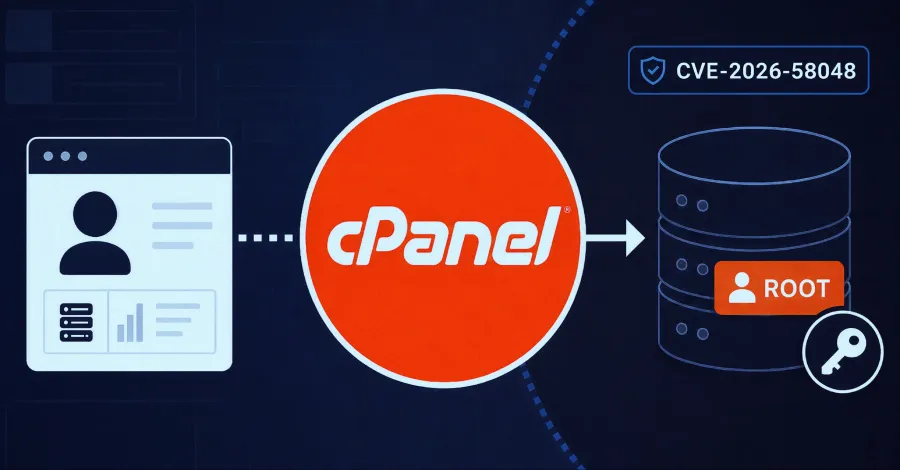
The web hosting landscape is constantly evolving, but vulnerabilities remain a persistent threat to security and data integrity. A critical flaw recently discovered in cPanel, a widely used web hosting control panel, has raised alarm bells across the industry. This vulnerability could potentially allow malicious actors to execute SQL commands with database root permissions, compromising sensitive customer data and leading to devastating breaches. For hosting providers and their clients, understanding the implications of this flaw is crucial to safeguarding their digital assets.
As a backbone for numerous hosting services, cPanel provides an intuitive interface that simplifies website management, making it a popular choice among webmasters. However, its ubiquity also makes it a target for those looking to exploit its weaknesses. This article delves into the specifics of the cPanel flaw, the potential impact on users, and the necessary steps to mitigate risks.
Understanding the cPanel Vulnerability
The recently identified vulnerability in cPanel allows for the execution of SQL commands at the database root level without appropriate authorization. This could enable attackers to manipulate or extract sensitive information stored in databases. The flaw stems from improper validation of user inputs, a common issue in software that can create significant security loopholes.
Technical Breakdown
This vulnerability operates through a cross-domain privilege escalation attack. Essentially, it allows a user with limited access to escalate their privileges to that of a database administrator. By exploiting this flaw, an attacker could execute SQL commands that potentially lead to data theft, data manipulation, or even complete system takeover.

The Broader Implications for Hosting Customers
The implications of this vulnerability extend far beyond technical jargon. Hosting customers, particularly small businesses and individual developers, could find themselves at risk of data breaches, loss of customer trust, and financial repercussions. When a hosting provider's systems are compromised, the fallout can be extensive, impacting all clients relying on that service.
For instance, if an attacker gains access to customer databases, they can extract personal identifiable information (PII), payment information, and other sensitive data. Such breaches can lead to identity theft, financial fraud, and legal challenges for both the hosting provider and the affected clients.
Identifying Affected Users
Any hosting customer using an affected version of cPanel could be at risk. With millions of websites relying on this control panel, the potential for widespread impact is significant. Hosting providers must promptly communicate with their customers about the vulnerability and guide them through necessary updates or security enhancements.

Mitigating the Risks: Steps for Hosting Providers
Hosting providers have a critical role in protecting their clients from vulnerabilities like this. Here are several proactive measures that should be taken:
- Patch and Update: Ensure that all instances of cPanel are updated to the latest version that addresses the vulnerability.
- Conduct Security Audits: Regularly audit systems for potential exploitation points and strengthen existing security protocols.
- User Education: Inform customers about the risks of SQL injection attacks and provide guidelines for securing their databases.
- Implement Web Application Firewalls (WAF): Utilize WAFs to filter and monitor HTTP traffic to and from web applications, providing an additional layer of security.
By taking these steps, hosting providers can significantly reduce the risk of exploitation from the cPanel vulnerability and enhance overall security for their customers.

Key Takeaways
- A critical flaw in cPanel allows unauthorized SQL command execution with database root privileges.
- Host customers could face severe repercussions, including data breaches and financial losses.
- Hosting providers must act swiftly to patch vulnerabilities and educate customers on security best practices.
- Regular security audits and the implementation of WAFs can further protect client data.
Frequently Asked Questions
What is cPanel, and why is it important?
cPanel is a web hosting control panel that provides a graphical interface and automation tools designed to simplify the process of hosting a website. It allows users to manage their website files, databases, and email accounts easily. Its importance lies in its widespread adoption among hosting providers, making it a common target for security vulnerabilities.
How can I tell if my hosting provider is affected by this vulnerability?
To determine if your hosting provider is affected, check their official communications, including emails or website alerts regarding security vulnerabilities. Most reputable providers will notify their customers about critical vulnerabilities and the steps they are taking to mitigate risks. If in doubt, contact their support team directly for clarification.
What should I do if my data has been compromised?
If you suspect that your data has been compromised due to the cPanel vulnerability or any other reason, immediately change your passwords and notify your hosting provider. They can assist you in assessing the breach's extent and taking appropriate action, including monitoring for unusual activity on your account and implementing additional security measures.
Comments
The Hidden Dangers of Location Data Sharing in Android Apps
Recent findings reveal that Android app developers may unknowingly share user location data with advertisers due to default settings in third-party code. This article explores the implications for developers, users, and the industry at large.

Related articles




Popular in Cybersecurity
- Federal Mandate for Autonomous Vehicles: A Call for Safety Compliance
- EU Mandates Google to Share Data and Open AI on Android: What It Means
- GitHub Revamps Bug Bounty Program: Implications for Developers and Security
- Australian Government Disables Thousands of Functional Broadband Routers: A Wasteful Decision
- Exploiting Redis: Understanding Zero-Day Vulnerabilities and Their Mitigation