Threat Landscape: 18 Malicious npm Packages Target Alibaba Tool Users
Recent findings reveal a disturbing trend in the npm ecosystem, where 18 malicious packages have been identified delivering Remote Access Trojans (RATs) to users of Alibaba's cloud tools. This article explores the implications of these threats and how they expose significant vulnerabilities.
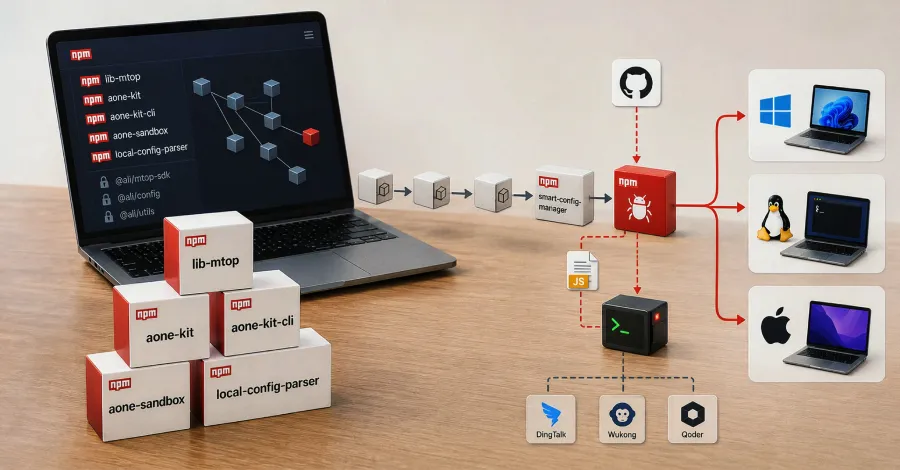
The rise of open-source software has revolutionized development, but it has also created an environment ripe for exploitation. Recently, a security analysis revealed that 18 malicious npm packages have been discovered delivering cross-platform Remote Access Trojans (RATs) specifically targeting users of Alibaba's cloud tools. This alarming trend highlights the vulnerabilities within the npm ecosystem and raises critical questions about the security practices employed by developers and organizations alike.
As more businesses rely on cloud platforms for their operations, the potential fallout from such security breaches becomes increasingly significant. In a digital landscape where dependencies can lead directly to vulnerabilities, understanding how these malicious packages operate is crucial for both developers and security professionals.
Understanding the npm Ecosystem
The Node Package Manager (npm) is an essential tool for developers, enabling them to share and reuse code within their projects. With millions of packages available, npm simplifies software development, promoting collaboration and innovation. However, this vast repository has also become a target for cybercriminals seeking to exploit its openness.
Malicious packages can be introduced in several ways, including:
- Dependency Confusion: Attackers create malicious packages with the same name as legitimate ones, tricking developers into downloading the wrong version.
- Supply Chain Attacks: Compromised legitimate packages are updated to include malicious code, impacting all users downloading those updates.
- Social Engineering: Developers may unknowingly install harmful packages while searching for solutions to specific problems.

The Specific Threat: Remote Access Trojans
Remote Access Trojans (RATs) pose a significant threat as they allow attackers to gain unauthorized access to a victim's system. Once installed, these malicious packages can give cybercriminals control over the affected device, enabling them to steal sensitive information, monitor user activities, and even deploy further malware.
In the case of the 18 identified malicious npm packages targeting Alibaba tool users, the RATs were designed to operate across various platforms, increasing their potential impact. Users of Alibaba's cloud services, which are popular among businesses for their flexibility and scalability, may unknowingly expose themselves to these risks simply by integrating these malicious packages into their projects.
The Implications for Users and Organizations
The discovery of these malicious packages serves as a wake-up call for organizations using cloud tools. The consequences of such breaches can be severe, including:
- Data Breaches: Sensitive customer and organizational data can be compromised, leading to reputational damage and legal repercussions.
- Operational Disruption: Malware infections can disrupt business operations, resulting in downtime and lost revenue.
- Financial Loss: The costs associated with remediation, including incident response and system rebuilds, can be substantial.

Best Practices for Mitigating Risks
To protect against the threats posed by malicious npm packages, organizations should implement several best practices:
- Code Audits: Regularly review and audit dependencies to identify potential vulnerabilities and remove malicious packages promptly.
- Use Trusted Sources: Only download packages from reputable sources and verify their integrity before integration.
- Implement Security Tools: Utilize security tools that can scan for known vulnerabilities within npm packages and alert developers to potential threats.
Moreover, organizations should foster a culture of security awareness among their development teams, educating them about the risks associated with open-source dependencies and the importance of security hygiene.

Conclusion: The Ongoing Battle Against Cyber Threats
The emergence of malicious npm packages highlights the ongoing battle between cybercriminals and organizations striving to protect their digital assets. As the software development landscape continues to evolve, so too do the tactics employed by attackers. By adopting robust security measures and remaining vigilant, organizations can minimize their exposure to these threats and ensure the integrity of their systems.
Key Takeaways
- 18 malicious npm packages were found delivering RATs to Alibaba tool users.
- Remote Access Trojans represent a significant risk for compromised systems.
- Organizations must conduct regular audits and use trusted sources to mitigate risks.
- Fostering security awareness among development teams is crucial.
Frequently Asked Questions
What are npm packages?
npm packages are collections of reusable code created by developers to simplify software development. They can be easily shared and managed through the Node Package Manager (npm), which is widely used in JavaScript development. While npm packages enhance productivity, they also carry security risks, as malicious actors can exploit vulnerabilities within this ecosystem.
How can I identify malicious npm packages?
Identifying malicious npm packages often requires a combination of vigilance and the use of automated security tools. Regularly auditing your dependencies and checking package reputation through community feedback and ratings can help. Additionally, utilizing security scanners that detect known vulnerabilities can provide an extra layer of protection against malicious packages.
What should I do if I discover a malicious package in my project?
If you discover a malicious package within your project, it is essential to immediately remove it and replace it with a secure alternative. Additionally, perform a thorough security audit of your project to identify any potential breaches or additional vulnerabilities. Consider alerting your team and implementing further security measures to prevent future incidents.
Are Remote Access Trojans difficult to detect?
Remote Access Trojans can be challenging to detect due to their ability to operate stealthily within compromised systems. They often disguise themselves as legitimate processes, making it difficult for standard antivirus software to identify them. Regular system monitoring, employing advanced security solutions, and maintaining updated software can help detect and mitigate the risks associated with RATs.
Comments
The Hidden Dangers of Location Data Sharing in Android Apps
Recent findings reveal that Android app developers may unknowingly share user location data with advertisers due to default settings in third-party code. This article explores the implications for developers, users, and the industry at large.

Related articles




Popular in Cybersecurity
- Federal Mandate for Autonomous Vehicles: A Call for Safety Compliance
- EU Mandates Google to Share Data and Open AI on Android: What It Means
- GitHub Revamps Bug Bounty Program: Implications for Developers and Security
- Australian Government Disables Thousands of Functional Broadband Routers: A Wasteful Decision
- Exploiting Redis: Understanding Zero-Day Vulnerabilities and Their Mitigation