Trump Administration Seeks to Limit Citizen Suits Against Polluters
The Trump administration has proposed changes that could significantly limit the ability of citizens to sue polluters, arguing that enforcement should be left to the executive branch. This move raises questions about environmental protections and public rights.
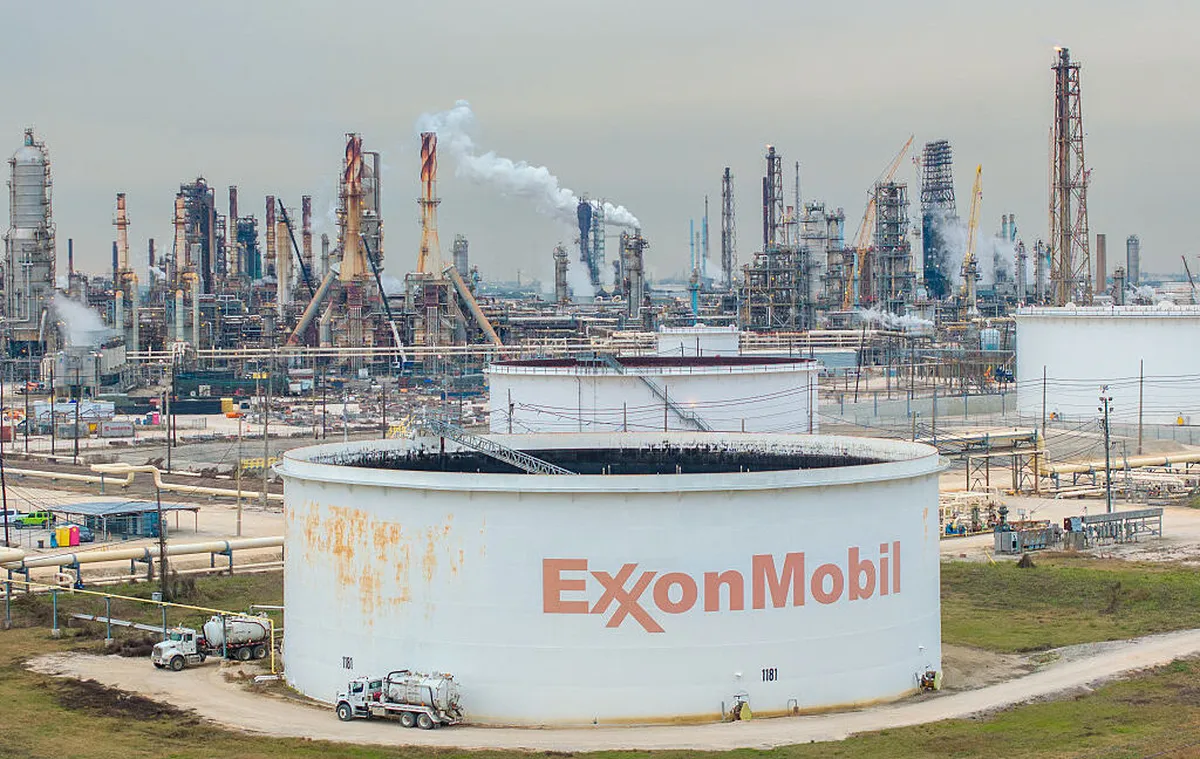
The Trump administration's recent legal stance raises significant concerns about the future of environmental protection in the United States. At the heart of the controversy is the administration's assertion that citizens should be barred from suing polluters, a fundamental shift from the principles established over five decades ago. This proposed change has sparked vigorous debate over the role of citizen lawsuits in upholding environmental laws and the overarching power of the executive branch.
For over 50 years, citizen suit provisions embedded in major environmental laws such as the Clean Air Act and Clean Water Act have empowered individuals and advocacy groups to hold corporations accountable for environmental violations when government agencies fail to act. The ability of citizens to bring forth lawsuits has been crucial in catalyzing significant clean-up efforts and enforcing compliance with environmental standards. Yet, the Trump administration's Department of Justice (DOJ) argues that such powers should be restricted, raising questions about who truly holds the authority to enforce environmental laws.
The Legal Framework of Citizen Suits
Citizen suits are a critical legal mechanism designed to enhance environmental enforcement. These provisions allow private citizens and organizations to take legal action against companies or federal agencies that violate environmental laws. Under the Clean Air Act, for example, individuals must provide formal notification of a suspected violation, allowing the EPA a 60-day period to address the issue before a lawsuit can be initiated. If the government fails to respond adequately, citizens can proceed to court.
Impact of Citizen Suits
Historically, citizen suits have played an instrumental role in numerous environmental victories. They have resulted in:
- The cessation of harmful activities, such as the construction of environmentally damaging projects.
- Financial penalties imposed on companies that violate environmental standards, leading to funding for crucial clean-up efforts.
- Settlement agreements that mandate companies to adopt cleaner technologies and practices.
For instance, Diane Wilson, a Texas shrimper, successfully sued Formosa Plastics for discharging plastic pellets into Lavaca Bay, resulting in a $50 million settlement aimed at remediation. Similarly, advocacy groups like PennEnvironment have held companies accountable for pollution through citizen suits, demonstrating the power of grassroots legal action in safeguarding environmental health.
The Trump Administration's New Direction
In a notable case involving Elon Musk's xAI, the DOJ has taken a position that challenges the longstanding practice of citizen enforcement. The NAACP recently sued xAI for allegedly operating natural gas-fired turbines without the necessary permits, claiming that the emissions pose serious health risks. However, the DOJ's request to dismiss this case is predicated on the belief that citizen suits should only proceed if the government has failed to act, suggesting that the executive branch should retain exclusive control over environmental enforcement.
Arguments for and Against Limiting Citizen Suits
Proponents of the Trump administration's stance argue that allowing citizen suits undermines the authority of federal agencies and can lead to conflicting legal actions that hinder progress on national priorities, such as economic growth and technological advancement. They claim that the executive branch is better equipped to handle environmental enforcement, citing national security and the need for regulatory consistency.
Conversely, critics argue that limiting citizen suits undermines public accountability and diminishes the effectiveness of environmental laws. They contend that the executive branch has often been slow to act on pressing environmental issues, and citizen suits serve as a necessary check on government inaction. This dynamic is particularly concerning in light of recent changes in environmental policy and regulation that some believe prioritize corporate interests over public health.
Historical Context and Future Implications
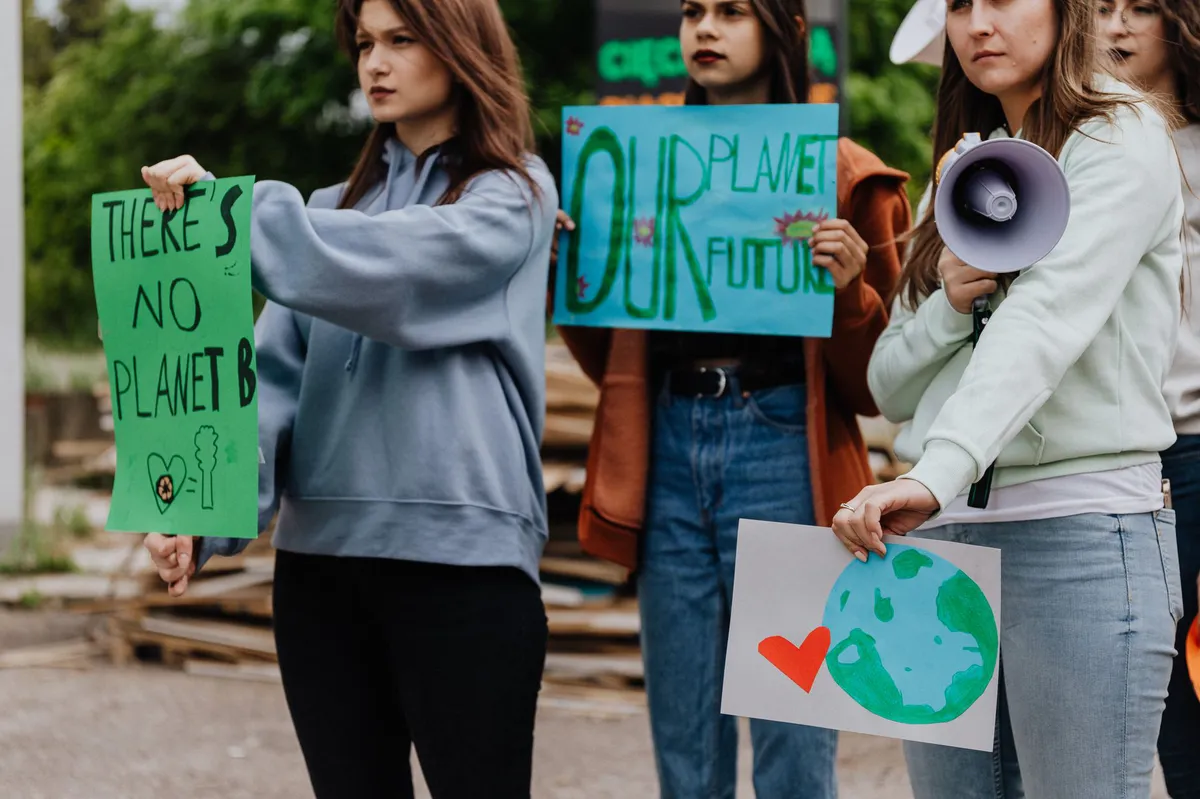
The citizen suit provisions were established in the 1970s as part of a broader movement to empower individuals to seek justice in the face of environmental degradation. The Clean Air Act, Clean Water Act, and Safe Drinking Water Act were designed not only to protect natural resources but also to ensure that citizens had the tools necessary to advocate for their communities. The potential shift in policy by the Trump administration signifies a departure from these foundational principles.
As the legal landscape evolves, the implications for environmental protection could be far-reaching. If the DOJ's position is upheld, it could set a precedent that diminishes the role of citizens in enforcing environmental laws, potentially leading to increased pollution and reduced accountability for corporations.
Key Takeaways
- The Trump administration seeks to limit citizen lawsuits against polluters, shifting enforcement authority to the executive branch.
- Citizen suit provisions have historically empowered individuals to enforce environmental laws and hold violators accountable.
- Recent legal actions, such as the NAACP's lawsuit against xAI, illustrate the ongoing struggle for environmental justice.
- The outcome of this legal challenge could reshape the enforcement landscape for environmental protections in the U.S.
- Public advocacy remains crucial in the fight for a sustainable environment, even as legal avenues face potential restrictions.
Frequently Asked Questions
What are citizen suit provisions?
Citizen suit provisions are legal mechanisms within environmental laws that allow individuals and organizations to sue for enforcement of these laws when the government fails to act. They empower citizens to hold polluters accountable and ensure compliance with environmental standards by allowing lawsuits to be filed against violators.
What impact could limiting citizen suits have on environmental protection?
If citizen suits are restricted, it could lead to decreased accountability for corporations that violate environmental laws. This may result in increased pollution and a lack of recourse for communities affected by environmental harm, ultimately undermining decades of progress in environmental protection.
How have citizen suits been used in recent cases?
Recent cases, such as the NAACP's lawsuit against xAI, demonstrate the ongoing importance of citizen suits in addressing environmental issues. These cases highlight how grassroots organizations can leverage legal avenues to combat pollution and advocate for healthier communities.
What should citizens do if they want to advocate for environmental protection?
Citizens can engage in advocacy by educating themselves about local environmental issues, participating in community activism, and supporting organizations that focus on environmental justice. They can also reach out to their elected representatives to express their concerns about environmental policies and the importance of maintaining citizen suit provisions.
Comments
The Hidden Dangers of Location Data Sharing in Android Apps
Recent findings reveal that Android app developers may unknowingly share user location data with advertisers due to default settings in third-party code. This article explores the implications for developers, users, and the industry at large.

Related articles



Popular in Cybersecurity
- Federal Mandate for Autonomous Vehicles: A Call for Safety Compliance
- EU Mandates Google to Share Data and Open AI on Android: What It Means
- GitHub Revamps Bug Bounty Program: Implications for Developers and Security
- Australian Government Disables Thousands of Functional Broadband Routers: A Wasteful Decision
- Exploiting Redis: Understanding Zero-Day Vulnerabilities and Their Mitigation