Autonomous Drones: Ukraine's AI-Enhanced Kamikaze Revolution
Ukraine is transforming warfare with AI-powered kamikaze drones capable of autonomous target tracking, thanks to a $100 million deal with US-based Auterion. This technology promises to shift the dynamics of modern combat, making drone warfare more effective and accessible.
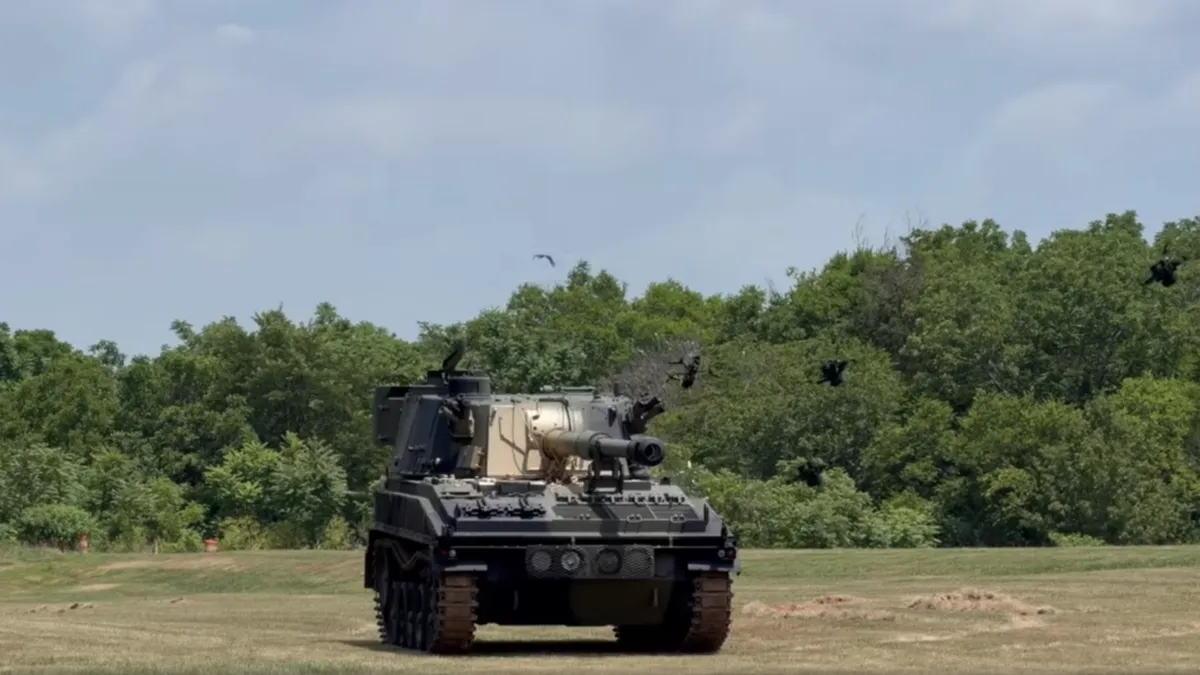
In the ongoing conflict in Ukraine, technology is playing a crucial role in reshaping the battlefield dynamics. A notable advancement is the integration of artificial intelligence (AI) into kamikaze drones, enabling them to autonomously track and strike targets. This shift is epitomized by a landmark $100 million deal between a US-based company, Auterion, and Ukrainian manufacturers, marking a significant upgrade for Ukraine's aerial combat capabilities. With this technology, thousands of inexpensive drones are set to take on a formidable role in modern warfare, bringing new strategic advantages to the Ukrainian military.
The Shrike drones, produced by the Ukrainian company SkyFall, are being outfitted with Auterion's advanced Nemyx swarm autonomy system. This enhancement allows the drones to engage targets without the need for continuous human control, a game-changer on the battlefield where communication can be impeded by various factors, including enemy interference.
The Evolution of Drone Warfare
Historically, drones have been utilized for surveillance and targeted strikes, but their operational efficiency has often depended on human pilots. Ukraine's military has previously relied on manual control to guide drones like the $400 Shrike into action, which has proven successful against Russian forces, taking down armored vehicles and even helicopters. However, the introduction of AI capabilities allows these drones to independently identify and engage targets, significantly increasing their effectiveness.
AI-Powered Autonomy
The Shrike drones equipped with Auterion's technology can autonomously track moving targets using visual data captured by their onboard cameras. This capability is particularly advantageous in environments where GPS signals may be jammed or unavailable, a common tactic employed in modern warfare. Notably, the drones can execute strikes even if they lose their connection with human operators, providing a level of reliability and operational flexibility previously unattainable.
- **Cost-Effective**: Each upgraded Shrike drone costs approximately $2,000, a fraction of the price compared to traditional precision munitions.
- **Increased Efficiency**: The AI system simplifies drone operation, allowing less experienced operators to control them with minimal training.
- **Swarm Capabilities**: Future updates will enable a single operator to manage multiple drones, enhancing tactical options on the battlefield.

Market Context and Implications
The deal for 50,000 drones equipped with Auterion’s technology is reportedly funded by a European country, with Germany being identified as the backer. This order not only signifies a substantial investment in Ukraine's military capabilities but also underscores a broader shift in how nations approach drone warfare. As traditional military expenditure on high-cost precision munitions remains prevalent, the affordability and effectiveness of systems like the Shrike may challenge existing paradigms.
For instance, traditional Western military strategies often involve spending millions on a single precision strike, whereas the cost-effective Shrike drones allow for more extensive deployment without the prohibitive costs. This shift could lead to a re-evaluation of military funding priorities, particularly for nations with budget constraints.
The Role of Human Operators
While the integration of AI into drone systems heralds a new era of autonomous warfare, Auterion emphasizes the importance of maintaining human oversight in the decision-making process. The company's co-founder, Lorenz Meier, advocates for keeping operators in control of target selection, particularly for critical decisions that could result in loss of life. This approach aligns with ethical considerations surrounding the use of autonomous weapons, ensuring that human judgment remains a vital component of military engagements.
Training for Operators
The user-friendly design of the AI-enabled drones allows for rapid training of personnel. According to Meier, operators can be trained to control these drones within minutes. This drastically reduces the barrier to entry for military personnel, allowing for greater flexibility in deploying drones in various combat scenarios. As the technology matures, the emphasis on operator training will be crucial for maximizing the potential of these systems.
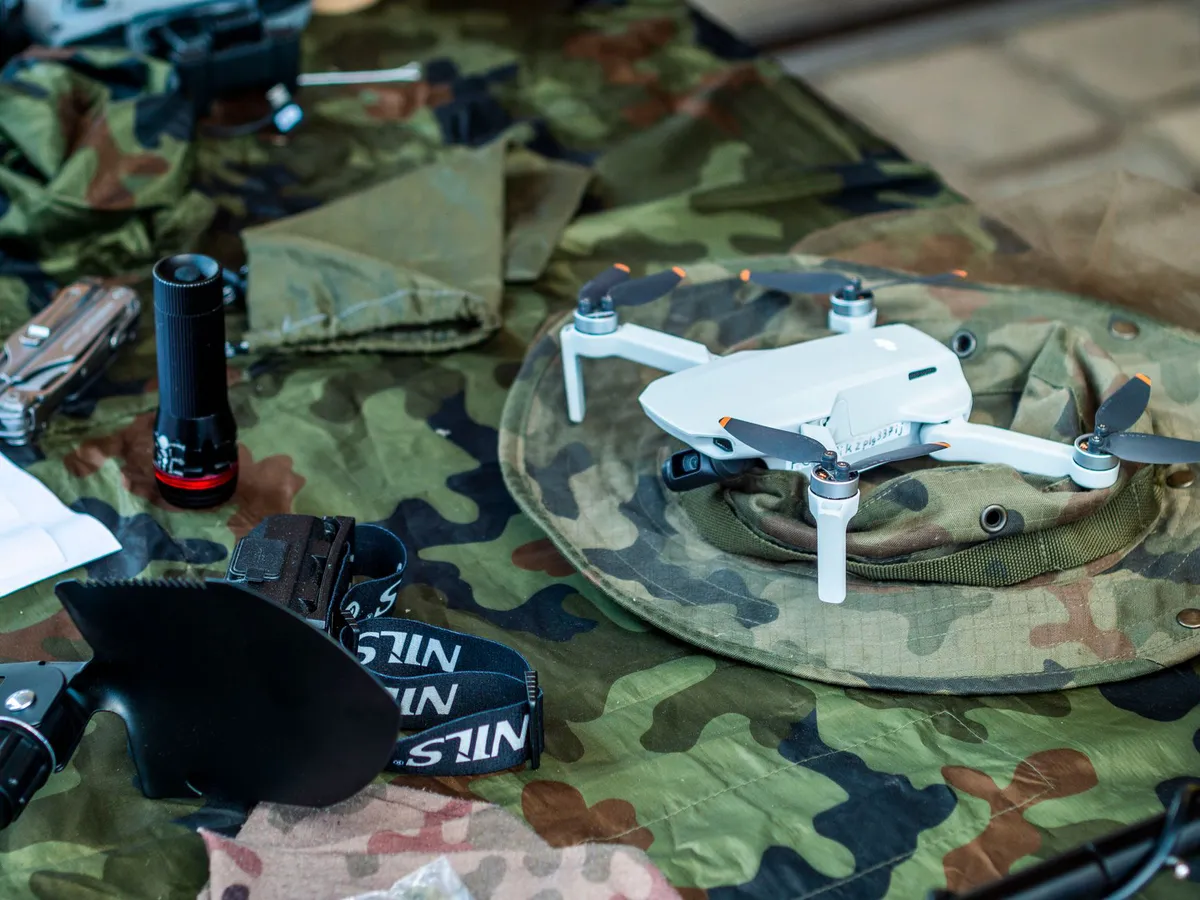
Innovation and Adaptation in Ukraine
Ukraine's military has cultivated an innovative ecosystem that encourages rapid development and iteration of new technologies. Meier's observations underline the adaptability of Ukrainian firms in producing functional prototypes that can be tested and refined in real combat situations. This contrasts sharply with the more bureaucratic processes often seen in Western military procurement, where lengthy evaluation periods can stifle innovation.
The ability to quickly assess and implement changes based on battlefield performance enables Ukrainian manufacturers to create weapon systems that are responsive to the needs of their armed forces. This feedback loop not only accelerates technological advancements but also enhances the overall effectiveness of Ukraine's military operations.
Key Takeaways
- **Autonomous Targeting**: AI integration allows drones to track and engage targets without continuous human control.
- **Cost Efficiency**: The Shrike drones are substantially cheaper than traditional precision munitions, enabling broader deployment.
- **Human Oversight**: Maintaining human control over target selection is critical for ethical military operations.
- **Rapid Innovation**: Ukraine's adaptive military ecosystem promotes quick development and refinement of drone technologies.
- **Training Efficiency**: Operators can be trained quickly, allowing for flexible and effective use of drones in combat.
Frequently Asked Questions
What are Shrike drones and how do they work?
Shrike drones are kamikaze drones developed by Ukrainian company SkyFall. They are designed to autonomously identify and strike targets using AI-powered tracking capabilities. The integration of Auterion's technology allows these drones to operate effectively even in environments where GPS is unavailable, enhancing their operational reliability.
How does AI improve drone warfare?
AI enhances drone warfare by enabling autonomous target tracking and engagement, reducing reliance on human operators for continuous control. This allows drones to operate independently, making real-time decisions based on visual information, which is critical in dynamic combat situations where communication may be compromised.
What are the ethical considerations of using autonomous drones?
Ethical considerations surrounding autonomous drones primarily focus on the decision-making process involved in target selection. Maintaining human oversight is crucial to ensure that life-and-death decisions are made with ethical considerations in mind, preventing potential misuse of autonomous systems in warfare.
How does Ukraine's approach to drone technology differ from that of Western nations?
Ukraine's approach to drone technology is characterized by rapid innovation and adaptation, allowing for quick development and deployment of new systems based on battlefield feedback. In contrast, Western military procurement often involves lengthy evaluation periods and rigid processes that can hinder the timely introduction of new technologies.
Comments
The Hidden Dangers of Location Data Sharing in Android Apps
Recent findings reveal that Android app developers may unknowingly share user location data with advertisers due to default settings in third-party code. This article explores the implications for developers, users, and the industry at large.

Related articles







Popular in Cybersecurity
- Federal Mandate for Autonomous Vehicles: A Call for Safety Compliance
- EU Mandates Google to Share Data and Open AI on Android: What It Means
- GitHub Revamps Bug Bounty Program: Implications for Developers and Security
- Australian Government Disables Thousands of Functional Broadband Routers: A Wasteful Decision
- Exploiting Redis: Understanding Zero-Day Vulnerabilities and Their Mitigation