N-able's N-central Servers Under Siege: Analyzing Recent Cyber Attacks
N-able has faced significant challenges with its N-central servers, as attackers have exploited vulnerabilities leading to breaches. This article explores the implications of these attacks and strategies for mitigation.
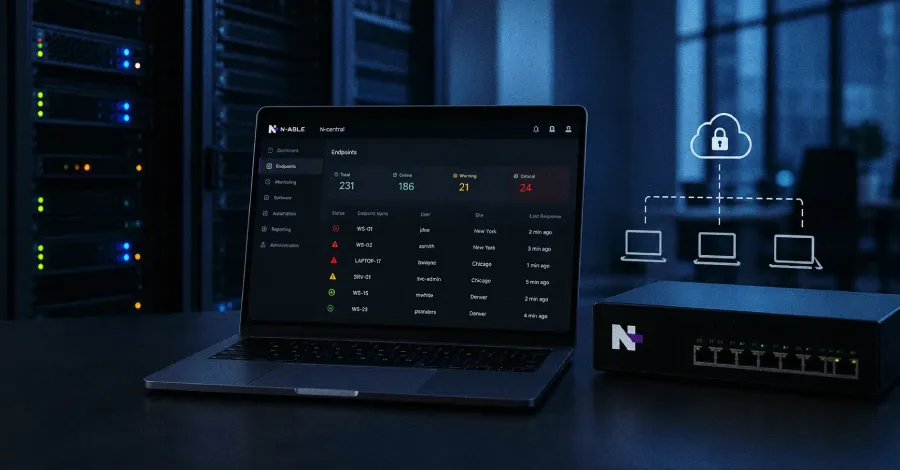
The recent cybersecurity incident involving N-able's N-central servers has sent shockwaves through the IT community. Initial fixes aimed at addressing vulnerabilities failed to prevent attackers from gaining access, illustrating the ever-evolving landscape of cyber threats. This situation serves as a stark reminder of the need for robust cybersecurity measures and the importance of ongoing vigilance in a world where digital threats are increasingly sophisticated.
As organizations rely heavily on centralized management systems like N-central for their IT infrastructure, the ramifications of such breaches extend beyond immediate financial losses. The potential for cross-domain privilege escalation poses a significant risk, allowing attackers to map and exploit attack paths that can lead to severe data breaches and system compromises. This article delves into the details of the N-able situation, the broader implications for cybersecurity, and key strategies that businesses can implement to safeguard their systems against similar threats.
Understanding the N-able Incident
N-able, a prominent provider of remote monitoring and management solutions, has reported that its N-central servers were compromised after an initial fix proved insufficient. This vulnerability allowed attackers to gain unauthorized access to systems, posing a critical threat to the data integrity and security of numerous businesses reliant on N-central for IT management.
While the specifics of the attack are still being investigated, it's clear that the exploitation of security weaknesses in such a widely used platform raises serious concerns. Organizations must realize that even the most trusted providers can fall victim to sophisticated cyber-attacks, which can have cascading effects across their entire digital ecosystem.

The Risks of Cross-Domain Privilege Escalation
Cross-domain privilege escalation is a significant concern in the realm of cybersecurity, particularly in the context of centralized management solutions. This term refers to the ability of attackers to leverage vulnerabilities in one area of a system to gain elevated access rights in another domain, potentially leading to full system compromise.
In the case of N-able, the failure to adequately resolve the initial vulnerabilities allowed attackers to establish footholds within the system. From there, they could potentially escalate their privileges and access sensitive data or critical system functions. The ability to map these attack paths means that organizations must be vigilant not only about direct threats but also about the broader security architecture of their IT environments.
- Privilege Escalation Risks: Attackers can gain access to higher-level permissions, allowing them to conduct more damaging actions.
- Cross-Domain Vulnerabilities: Weaknesses in one domain can lead to breaches in another, compounding the risks.
- Data Breach Potential: Sensitive information can be exposed, leading to compliance issues and reputational damage.
- Financial Impact: The costs associated with breaches can include fines, legal fees, and loss of business.

Market Context: The Landscape of Cyber Threats
The N-able incident is emblematic of a broader trend in the cybersecurity landscape, where attackers increasingly target vulnerabilities in widely used software solutions. In recent years, the frequency and sophistication of cyber-attacks have surged, with reports indicating that ransomware and data breaches have become pervasive across industries.
According to a report by Cybersecurity Ventures, global cybercrime damages are expected to reach $10.5 trillion annually by 2025, making it imperative for organizations to adopt proactive security measures. The interconnectedness of modern IT environments means that a breach in one area can have far-reaching consequences, making the need for comprehensive cybersecurity strategies more critical than ever.

Mitigation Strategies for Businesses
In light of the N-able breach, businesses must take proactive steps to fortify their cybersecurity posture. Here are several strategies that organizations can implement:
1. Regular Security Audits
Conducting regular security audits is essential for identifying vulnerabilities within your systems. These audits should assess both software and hardware components, ensuring that all aspects of your IT environment are secure.
2. Enhanced User Access Controls
Implementing strict user access controls can help mitigate the risks associated with privilege escalation. By ensuring that users only have access to the data and systems necessary for their roles, organizations can reduce the potential attack surface.
3. Incident Response Planning
Having an incident response plan in place is crucial for minimizing the impact of a cyber-attack. This plan should outline specific steps to take in the event of a security breach, including communication protocols and remediation strategies.
4. Continuous Monitoring
Utilizing continuous monitoring tools can help organizations detect unusual activities in their systems. This proactive approach allows for quicker responses to potential threats, reducing the likelihood of a successful attack.
5. Training and Awareness
Regular training and awareness programs for employees can help foster a culture of cybersecurity within the organization. Educating staff about common threats and safe online practices can significantly reduce the risk of human error leading to breaches.
Key Takeaways
- N-able's N-central servers were compromised due to inadequate security measures.
- Cross-domain privilege escalation poses significant risks to IT environments.
- The cybersecurity landscape is increasingly fraught with threats, emphasizing the need for proactive measures.
- Businesses should implement rigorous security audits, access controls, and monitoring systems.
- Employee training is critical for building a strong cybersecurity culture.
Frequently Asked Questions
What is cross-domain privilege escalation?
Cross-domain privilege escalation refers to the ability of an attacker to exploit vulnerabilities within one domain of a system to gain elevated access rights in another domain. This can lead to severe consequences, including full system compromise and data breaches.
How can I protect my organization from similar attacks?
To protect your organization, implement regular security audits, enhance user access controls, and develop a robust incident response plan. Additionally, continuous monitoring and employee training can further bolster your defenses against cyber threats.
What are the financial implications of a cybersecurity breach?
The financial implications of a cybersecurity breach can be significant, including costs related to legal fees, regulatory fines, and loss of business. Organizations may also suffer reputational damage, which can have long-term effects on customer trust and loyalty.
Why is employee training important for cybersecurity?
Employee training is crucial because human error is often a major factor in cybersecurity breaches. By educating staff about potential threats and safe online practices, organizations can reduce the risk of breaches caused by mistakes or negligence.
Comments
Thermo Fisher's Security Patch: A Crucial Step Against DNA Data Tampering
Thermo Fisher Scientific recently addressed a serious security vulnerability that could have enabled undetectable tampering of DNA files. This article explores the implications of this flaw, its potential impacts on the biotechnology industry, and what organizations can learn from this incident.

Related articles




Popular in Cybersecurity
- Federal Mandate for Autonomous Vehicles: A Call for Safety Compliance
- EU Mandates Google to Share Data and Open AI on Android: What It Means
- GitHub Revamps Bug Bounty Program: Implications for Developers and Security
- Australian Government Disables Thousands of Functional Broadband Routers: A Wasteful Decision
- Exploiting Redis: Understanding Zero-Day Vulnerabilities and Their Mitigation