Navigating FOMO in Security Operations Centers: The Role of AI in Cyber Defense
As organizations face increasing cyber threats, understanding the role of AI platforms like Claude in Security Operations Centers (SOCs) becomes vital. This article delves into real-world implications of identity exposure and how AI can help mitigate risks.
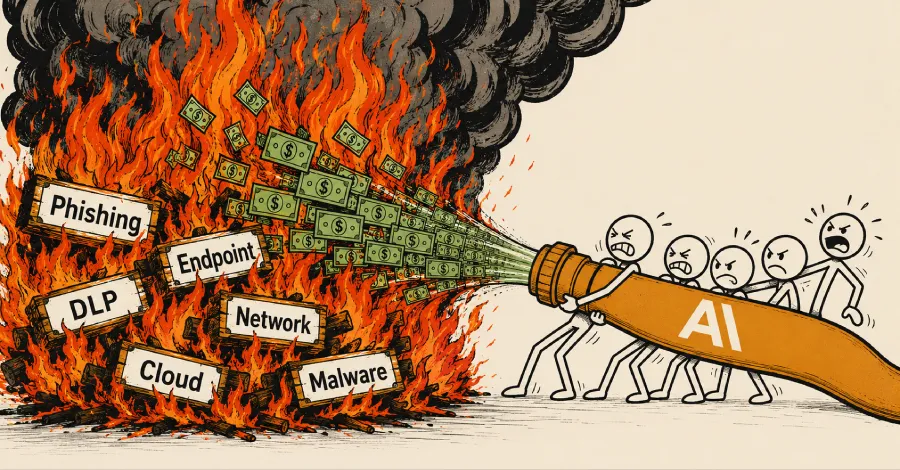
The cybersecurity landscape is evolving at a breakneck pace, with organizations grappling with an unprecedented rise in cyber threats. As companies strive to defend their digital assets, the integration of artificial intelligence (AI) into Security Operations Centers (SOCs) has emerged as a critical strategy. Platforms like Claude not only provide advanced analytical capabilities but also help security teams navigate the complex web of identity exposure and its potential to unlock attack paths. Understanding where these AI tools fit within the broader security framework is essential for organizations aiming to bolster their defenses.
In today's threat environment, fear of missing out (FOMO) can be a significant driver for adopting new technologies. The urgency to implement cutting-edge solutions often leads to hasty decisions without fully understanding their implications. In this article, we explore how AI platforms can effectively map cross-domain privilege escalations, identify vulnerabilities, and ultimately help organizations sever potential breach routes at critical chokepoints.
The Growing Importance of AI in Cybersecurity
The advent of sophisticated cyber threats has necessitated a shift in how organizations approach cybersecurity. Traditional methods, while still relevant, are often insufficient in the face of rapidly evolving attack vectors. AI technologies, such as Claude, are designed to enhance the capabilities of SOCs by providing real-time analysis and actionable insights.
How AI Enhances Threat Detection
AI platforms can process vast amounts of data in real-time, identifying anomalous behaviors that might indicate a potential breach. For instance, if an employee suddenly accesses sensitive files they’ve never interacted with before, AI can flag this activity for further review. This proactive approach significantly reduces the response time to potential threats, allowing security teams to act quickly.
Mapping Identity Exposure Risks
One of the most pressing challenges faced by organizations is identity exposure. When user credentials are compromised, attackers can leverage this information to gain unauthorized access to systems, often using cross-domain privilege escalation techniques. By employing AI platforms like Claude, organizations can map these vulnerabilities, highlighting potential attack paths and allowing SOC teams to prioritize their response efforts.

Real Stories: Identity Exposure and Attack Vectors
To illustrate the real-world implications of identity exposure, consider the following examples:
- Case Study 1: A financial institution discovered that a compromised employee account enabled a breach that allowed unauthorized access to sensitive customer data. By utilizing AI-driven insights, the SOC was able to trace the breach back to the initial identity exposure, effectively cutting off further access.
- Case Study 2: An e-commerce platform experienced a multi-domain attack where an attacker used stolen credentials to pivot across different systems. AI tools helped security analysts identify the compromised accounts, significantly reducing the duration of the attack.
- Case Study 3: A healthcare provider faced a ransomware attack that leveraged identity exposure through phishing. The integration of AI allowed the SOC to recognize patterns in user behavior, leading to the early detection of the phishing scheme and preventing the attack.
Strategies for Implementing AI in SOCs
Integrating AI into existing SOC frameworks requires careful planning and execution. Here are some strategies organizations can adopt:
1. Define Clear Objectives
Before integrating AI tools, organizations should define what they aim to achieve. Whether it’s improving threat detection, automating responses, or enhancing reporting capabilities, having clear objectives helps in selecting the right AI platform.
2. Invest in Training
AI tools are only as effective as the teams that operate them. Providing comprehensive training for SOC personnel ensures they can leverage AI insights for optimal threat management.
3. Foster Collaboration
Encouraging collaboration between AI systems and human analysts can lead to more effective threat response strategies. AI can handle data-heavy tasks, allowing analysts to focus on complex decision-making.

The Future of AI in Cyber Defense
As cyber threats continue to evolve, the role of AI in cybersecurity will only become more prominent. The ability of platforms like Claude to analyze data and identify vulnerabilities in real-time will be crucial for organizations looking to stay ahead of potential threats. Moreover, as AI technology advances, we can anticipate even greater capabilities, such as predictive analytics that can foresee potential attack vectors before they materialize.
Key Takeaways
- AI platforms like Claude enhance the capabilities of Security Operations Centers by providing real-time threat detection and analysis.
- Identity exposure poses significant risks, making it imperative for organizations to map potential attack paths.
- Successful integration of AI requires clear objectives, proper training, and collaboration between AI tools and human analysts.
- Real-world case studies highlight the effectiveness of AI in mitigating cyber threats and reducing response times.
- The future of cybersecurity will increasingly rely on advanced AI technologies to stay ahead of evolving threats.
Frequently Asked Questions
What is the role of AI in cybersecurity?
AI plays a pivotal role in cybersecurity by enhancing the detection and prevention of threats. It analyzes vast amounts of data to identify suspicious patterns and behaviors that might indicate a breach. This allows security teams to respond swiftly and effectively to potential threats before they escalate.
How does identity exposure impact organizations?
Identity exposure can have severe implications for organizations, including unauthorized access to sensitive systems, data breaches, and potential financial losses. When user credentials are compromised, attackers can exploit these vulnerabilities to pivot across networks, leading to widespread damage.
What are the best practices for implementing AI in SOCs?
Best practices for implementing AI in Security Operations Centers include defining clear objectives for AI use, investing in training for security personnel, and fostering collaboration between AI systems and human analysts. These steps ensure that organizations can maximize the benefits of AI while minimizing risks.
How can organizations prepare for future cyber threats?
Organizations can prepare for future cyber threats by staying informed about the latest developments in cybersecurity and AI technologies. Regularly updating security protocols, conducting threat assessments, and investing in advanced training for SOC teams are essential steps to ensure preparedness against evolving threats.
Comments
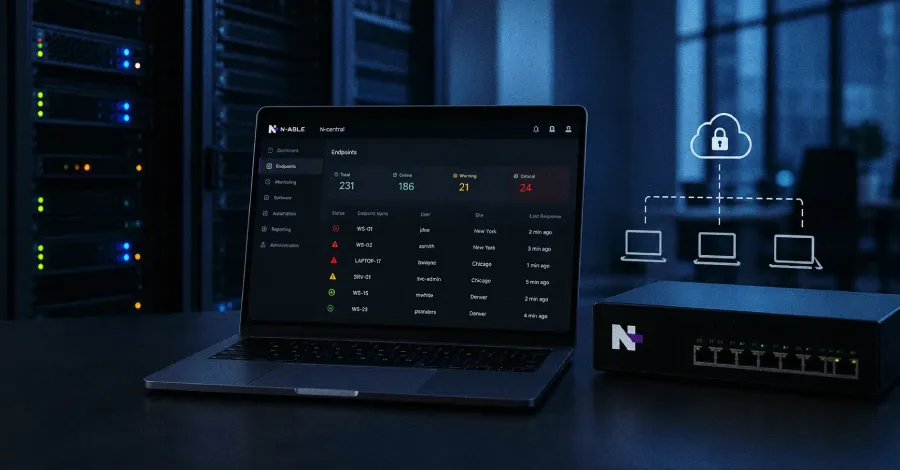
N-able's N-central Servers Under Siege: Analyzing Recent Cyber Attacks
N-able has faced significant challenges with its N-central servers, as attackers have exploited vulnerabilities leading to breaches. This article explores the implications of these attacks and strategies for mitigation.
Related articles





Popular in Cybersecurity
- Federal Mandate for Autonomous Vehicles: A Call for Safety Compliance
- EU Mandates Google to Share Data and Open AI on Android: What It Means
- GitHub Revamps Bug Bounty Program: Implications for Developers and Security
- Australian Government Disables Thousands of Functional Broadband Routers: A Wasteful Decision
- Exploiting Redis: Understanding Zero-Day Vulnerabilities and Their Mitigation