Thermo Fisher's Security Patch: A Crucial Step Against DNA Data Tampering
Thermo Fisher Scientific recently addressed a serious security vulnerability that could have enabled undetectable tampering of DNA files. This article explores the implications of this flaw, its potential impacts on the biotechnology industry, and what organizations can learn from this incident.
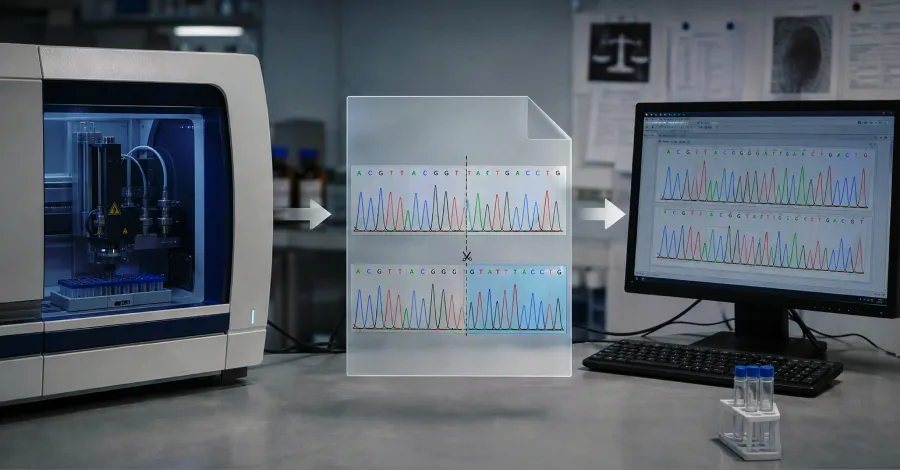
In an era where data integrity is paramount, Thermo Fisher Scientific, a leader in biotechnology and laboratory equipment, has taken significant measures to address a critical security vulnerability that could have allowed for undetectable tampering of DNA files. This flaw, if exploited, posed serious risks not only to the integrity of genetic data but also to the broader field of biotechnology research and application. As organizations increasingly rely on digitized biological information, understanding the ramifications of such vulnerabilities is essential for stakeholders across the industry.
The vulnerability, discovered as part of a routine security review, raised alarms when it was revealed that DNA files could be altered without leaving a trace. Given the sensitive nature of genetic data, this incident underscores the importance of robust security protocols in protecting against potential threats that could undermine trust in biotechnological advancements.
The Nature of the Vulnerability
At the heart of this issue was a flaw in the system that manages DNA sequencing data. Thermo Fisher's software, widely used in laboratories for genetic analysis, was identified as having a weakness that could be exploited by malicious actors. This weakness could enable unauthorized access and manipulation of genetic sequences. The implications of such tampering are profound; manipulated DNA files could lead to incorrect research conclusions, flawed diagnostics, or even misguided therapeutic interventions.
Thermo Fisher's response was swift. They implemented a patch that not only addressed the flaw but also reinforced their overall security architecture. This fix is a reminder that vulnerabilities can exist in even the most trusted systems, and ongoing vigilance is required to safeguard sensitive information.

Market Context: The Biotech Industry and Cybersecurity
The biotechnology sector is at the forefront of scientific innovation, driving advancements in medicine, agriculture, and environmental sustainability. However, as reliance on digital technologies increases, so does vulnerability to cyber threats. According to a report from the Cybersecurity & Infrastructure Security Agency (CISA), the life sciences sector has seen a significant uptick in cyberattacks, with adversaries targeting sensitive data for financial gain or competitive advantage.
Moreover, the increasing digitization of biological data means that organizations face a dual challenge: ensuring that their data is not only securely stored but also protected from tampering. This incident with Thermo Fisher serves as a wake-up call for the entire industry. With the potential for devastating consequences from data breaches, businesses must evaluate their cybersecurity measures rigorously.
Potential Impacts of DNA Data Tampering
The risks associated with tampering DNA data extend beyond theoretical concerns. Here are several key consequences that can arise:
- Research Integrity: Manipulated genetic data could lead to false research findings, undermining the scientific process and potentially causing harm if those findings are used in clinical applications.
- Patient Safety: Inaccurate genetic information might result in incorrect medical treatments or misdiagnoses, jeopardizing patient care.
- Legal Repercussions: Organizations may face legal challenges if tampered data leads to harmful outcomes, exposing them to lawsuits and regulatory scrutiny.
- Reputation Damage: Trust is paramount in biotechnology; breaches can erode public confidence, impacting business operations and funding opportunities.
Lessons Learned and Best Practices
The incident with Thermo Fisher highlights several key lessons for organizations handling sensitive data:
1. Proactive Security Measures
Organizations should adopt a proactive approach to cybersecurity, conducting regular audits and penetration testing to identify vulnerabilities. Establishing a culture of security awareness among employees can also mitigate risks.
2. Incident Response Planning
A robust incident response plan is essential. This plan should outline steps to take in the event of a data breach, including immediate containment, communication strategies, and recovery processes.
3. Continuous Monitoring
Implementing continuous monitoring tools can help detect unusual activity or unauthorized access attempts. Advanced analytics can aid in identifying potential threats before they escalate into significant breaches.
4. Collaboration Across Sectors
The biotechnology industry should work collaboratively across sectors to share threat intelligence and best practices. Engaging in partnerships with cybersecurity experts can enhance protection measures and foster a culture of information sharing.

Key Takeaways
- Thermo Fisher addressed a serious flaw that could allow undetectable tampering of DNA files.
- The biotechnology sector faces increasing cybersecurity threats as digital reliance grows.
- Consequences of tampering include compromised research integrity, patient safety risks, and reputational damage.
- Proactive security measures and incident response plans are crucial for safeguarding sensitive data.
- Collaboration across industries can enhance cybersecurity practices and resilience.
Frequently Asked Questions
What was the nature of the flaw in Thermo Fisher's software?
The flaw involved a vulnerability in the software that manages DNA sequencing data, allowing unauthorized access and potential manipulation of genetic sequences without detection. This posed significant risks to the integrity of research and patient safety.
How do cybersecurity threats impact the biotechnology industry?
Cybersecurity threats can lead to data breaches that compromise sensitive biological information, resulting in flawed research outcomes, misdiagnoses in medical applications, and legal ramifications for organizations. With the increasing reliance on digital technologies, these threats are becoming more prevalent.
What steps can organizations take to prevent data tampering?
Organizations can implement a variety of measures, including regular security audits, employee training on cybersecurity awareness, incident response planning, and continuous monitoring for unusual activity. Collaboration with cybersecurity experts and sharing threat intelligence across the industry can also bolster defenses.
Why is trust important in the biotechnology sector?
Trust is crucial in the biotechnology sector because it underpins relationships between research institutions, healthcare providers, and patients. Breaches in data integrity can lead to a loss of confidence, which can have far-reaching implications for funding, collaboration, and patient care.
Comments
N-able's N-central Servers Under Siege: Analyzing Recent Cyber Attacks
N-able has faced significant challenges with its N-central servers, as attackers have exploited vulnerabilities leading to breaches. This article explores the implications of these attacks and strategies for mitigation.
Related articles



Popular in Cybersecurity
- Federal Mandate for Autonomous Vehicles: A Call for Safety Compliance
- EU Mandates Google to Share Data and Open AI on Android: What It Means
- GitHub Revamps Bug Bounty Program: Implications for Developers and Security
- Australian Government Disables Thousands of Functional Broadband Routers: A Wasteful Decision
- Exploiting Redis: Understanding Zero-Day Vulnerabilities and Their Mitigation