Understanding the GHOSTBLADE Threat: Tactics and Mitigation Strategies
A recent cyber incident has revealed how a Chinese threat actor exploited a leaked toolkit to deploy GHOSTBLADE on iOS. This article explores the implications, tactics used, and how organizations can enhance their security posture.
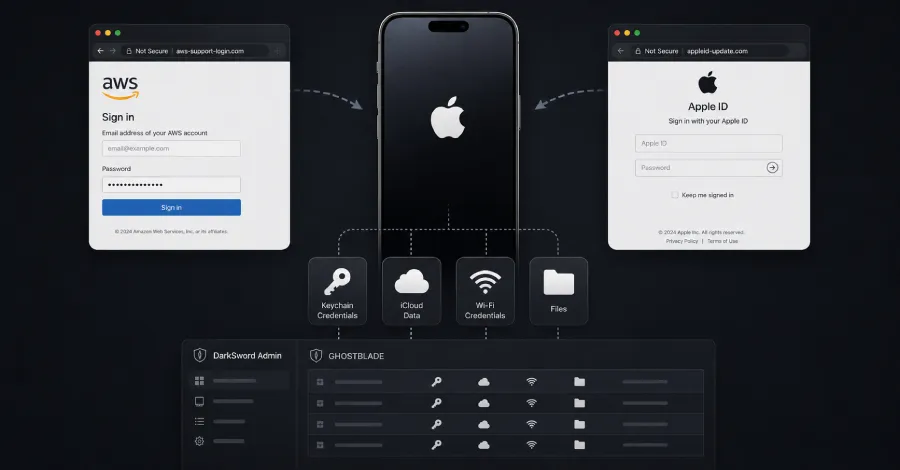
The digital landscape is increasingly fraught with dangers as threat actors continuously evolve their tactics to exploit vulnerabilities. A recent incident involving a Chinese threat actor has highlighted the utilization of the leaked DarkSword toolkit for deploying a sophisticated malware variant known as GHOSTBLADE on iOS devices. This alarming development underscores the pressing need for organizations to bolster their cybersecurity frameworks, especially as attackers leverage advanced tools to map out vulnerabilities and execute targeted attacks.
As businesses and individuals become more reliant on mobile technology, understanding the mechanics of these threats is crucial. In this article, we delve into the methodologies employed by cybercriminals, the implications of identity exposure, and actionable strategies for mitigating risks. The GHOSTBLADE incident serves as a reminder that even the most secure systems can fall prey to determined attackers, and proactive measures are essential in safeguarding digital assets.
Exploring the GHOSTBLADE Malware
GHOSTBLADE is a sophisticated piece of malware that has been specifically designed to bypass security defenses on iOS, a platform generally regarded for its robust security features. The malware’s ability to exploit the DarkSword toolkit, which was leaked online, has raised significant concerns within the cybersecurity community.
The DarkSword Toolkit
The DarkSword toolkit represents a collection of hacking tools that can be used to execute various attacks, including privilege escalation, data exfiltration, and system manipulation. This toolkit’s availability on underground forums has made it accessible to a wider range of threat actors, particularly those with limited technical expertise.
- Cross-domain privilege escalation capabilities.
- Tools for deploying malware on various platforms.
- Advanced obfuscation techniques to evade detection.

The Role of Identity Exposure in Cyber Attacks
Identity exposure is a significant risk factor that can unlock various attack paths within an organization. When personal and organizational identities are compromised, attackers can leverage this information to gain access to sensitive systems. Such breaches often occur through phishing campaigns, social engineering, or exploitation of known vulnerabilities.
Mapping Active Attack Paths
Once an attacker has accessed an organization's network, they often employ techniques to map out active attack paths. By identifying key choke points within the network, they can sever breach routes and pivot to more sensitive areas, ultimately leading to data theft or system compromise. This mapping process is critical for understanding how an attack unfolds and for developing a robust defense strategy.
Common tactics used by threat actors include:- Reconnaissance to gather information about the target.
- Privilege escalation to gain higher access levels.
- Use of lateral movement techniques to navigate within the network.

Implications for Organizations
The ramifications of the GHOSTBLADE incident extend beyond the immediate threat posed by the malware. Organizations must recognize the potential for reputational damage, financial loss, and regulatory repercussions resulting from a data breach. Furthermore, the increasing sophistication of cyber threats necessitates a reevaluation of existing security protocols.
Building a Defensive Framework
To defend against threats like GHOSTBLADE, organizations should adopt a multi-layered security framework that incorporates both technological and human elements. Key components of an effective defense strategy include:
- Regular security assessments: Conducting frequent vulnerability scans and penetration tests to identify weaknesses.
- Employee training: Educating staff about the risks of phishing and social engineering to reduce the likelihood of identity exposure.
- Incident response plans: Developing a comprehensive incident response strategy to quickly address breaches when they occur.

Key Takeaways
- The GHOSTBLADE malware targets iOS systems, exploiting the DarkSword toolkit.
- Identity exposure can unlock active attack paths within organizations.
- Mapping and understanding attack paths are crucial for developing effective defenses.
- Implementing a multi-layered security approach is essential for cybersecurity resilience.
Frequently Asked Questions
What is the GHOSTBLADE malware?
GHOSTBLADE is a malware variant deployed using the DarkSword toolkit, primarily targeting iOS devices. It utilizes advanced techniques to bypass security measures, posing a significant threat to both personal and organizational data.
How does identity exposure contribute to cyber attacks?
Identity exposure enables attackers to access sensitive information and systems within an organization. By obtaining personal and organizational identities, attackers can execute targeted attacks, leading to data breaches and other cybersecurity incidents.
What steps can organizations take to mitigate risks associated with GHOSTBLADE?
Organizations can mitigate risks by implementing regular security assessments, providing employee training on cybersecurity best practices, and developing incident response plans to address potential breaches swiftly. A proactive approach is essential for staying ahead of evolving threats.
Comments
N-able's N-central Servers Under Siege: Analyzing Recent Cyber Attacks
N-able has faced significant challenges with its N-central servers, as attackers have exploited vulnerabilities leading to breaches. This article explores the implications of these attacks and strategies for mitigation.

Related articles





Popular in Cybersecurity
- Federal Mandate for Autonomous Vehicles: A Call for Safety Compliance
- EU Mandates Google to Share Data and Open AI on Android: What It Means
- GitHub Revamps Bug Bounty Program: Implications for Developers and Security
- Australian Government Disables Thousands of Functional Broadband Routers: A Wasteful Decision
- Exploiting Redis: Understanding Zero-Day Vulnerabilities and Their Mitigation