Analyzing the Coldcard Hardware Wallet Flaw: A $70 Million Bitcoin Heist
A recent vulnerability in the Coldcard hardware wallet has been linked to a staggering $70 million Bitcoin theft. This incident underscores the critical importance of security in cryptocurrency storage.
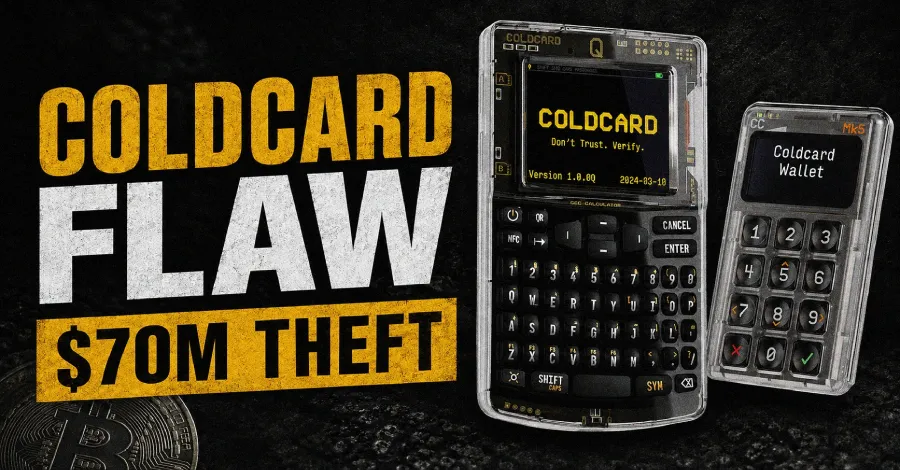
The cryptocurrency landscape is rife with innovation, but it also harbors significant risks, particularly when it comes to the security of digital assets. A recent incident involving the Coldcard hardware wallet has brought these risks to the forefront, as a critical vulnerability was exploited, leading to a staggering theft of $70 million in Bitcoin within a mere 41 minutes. This event not only highlights the vulnerabilities present in hardware wallets but also raises crucial questions about security practices in the cryptocurrency space.
Hardware wallets, like Coldcard, are designed to securely store cryptocurrencies offline, effectively safeguarding them from online threats. However, the incident serves as a cautionary tale about the potential for flaws that can undermine even the most secure storage solutions. In this article, we will delve into the specifics of the Coldcard vulnerability, its implications for users, and the broader context of security in cryptocurrency.
The Coldcard Vulnerability Explained
The Coldcard hardware wallet, developed by Coinkite, is renowned for its emphasis on security. Despite its robust design, a recently discovered flaw allowed attackers to exploit the wallet's firmware, granting them unauthorized access to stored Bitcoin. This vulnerability stemmed from inadequate protection against cross-domain privilege escalation, a common attack vector where an attacker gains elevated access to resources that should be restricted.
When the flaw was exploited, the attackers were able to execute a series of rapid transactions that enabled them to siphon off $70 million in Bitcoin before the breach could be detected and mitigated. The speed with which this heist occurred underscores the urgency of addressing security vulnerabilities in cryptocurrency storage solutions.
The Importance of Security in Cryptocurrency
Cryptocurrency has democratized finance, but this new paradigm comes with its own set of challenges. The decentralized nature of blockchain technology means that traditional financial security measures do not apply. For instance, once a transaction is confirmed on the blockchain, it cannot be reversed, which places an enormous value on securing private keys and wallet information.
Hardware wallets are typically considered one of the safest methods for storing cryptocurrencies because they keep private keys offline. However, as the Coldcard incident demonstrates, they are not immune to vulnerabilities. Below are several key takeaways regarding why security in cryptocurrency is paramount:
- Irreversible Transactions: Unlike traditional banking, cryptocurrency transactions cannot be undone.
- Decentralization Challenges: The absence of a central authority means no recourse for theft.
- Rapid Attack Capabilities: Cybercriminals can execute attacks at lightning speed, as shown in the Coldcard case.

Implications for Users and the Industry
The Coldcard breach raises significant implications not only for users of the wallet but also for the broader cryptocurrency market. For individual users, it serves as a stark reminder to remain vigilant and proactive about their digital asset security. Users must adopt best practices, such as enabling two-factor authentication (2FA), regularly updating wallet firmware, and employing strong, unique passwords.
From an industry perspective, this incident could lead to increased scrutiny of hardware wallet manufacturers. There may be calls for more rigorous testing and validation of security measures before new products are released. This heightened awareness around security could also spur innovation in the development of more secure cryptocurrency storage solutions.
Legal and Regulatory Considerations
The fallout from the Coldcard incident may prompt regulatory bodies to take a closer look at the cryptocurrency industry. As instances of theft and fraud continue to rise, authorities may feel pressured to implement stricter regulations regarding the security protocols that cryptocurrency exchanges and wallet providers must follow.
Regulatory frameworks could also evolve to require more transparency from hardware wallet manufacturers about their security practices and vulnerability management processes. This could lead to a more standardized approach to security across the industry, potentially reducing the number of successful attacks.

Future of Cryptocurrency Security
Looking ahead, the Coldcard incident serves as a pivotal moment in the ongoing conversation about cryptocurrency security. Stakeholders across the industry—from hardware wallet manufacturers to individual users—must prioritize security as a fundamental aspect of their operations and practices.
Technological advancements such as multi-signature wallets, decentralized finance (DeFi) solutions, and improved biometric security measures could play a role in enhancing security for cryptocurrency users. Furthermore, education and awareness about potential vulnerabilities will be critical in empowering users to take proactive steps in safeguarding their assets.
Key Takeaways
- The Coldcard hardware wallet vulnerability led to a $70 million Bitcoin theft.
- Security in cryptocurrency is crucial due to irreversible transactions.
- Users must adopt best practices to safeguard their digital assets.
- Increased regulatory scrutiny may follow the incident.
- Future security innovations are needed to protect cryptocurrency users.
Frequently Asked Questions
What is a hardware wallet?
A hardware wallet is a physical device designed to securely store cryptocurrencies offline. This method of storage is considered one of the safest ways to protect digital assets from online threats, as it keeps private keys away from potential cybercriminals.
How can I protect my cryptocurrency assets?
To protect your cryptocurrency assets, it is essential to adopt best practices such as enabling two-factor authentication, regularly updating your wallet's firmware, using strong and unique passwords, and being vigilant about phishing attempts. Additionally, consider diversifying your holdings across multiple wallets and platforms to minimize risk.
What should I do if my hardware wallet has a vulnerability?
If you suspect that your hardware wallet has a vulnerability, it is critical to immediately transfer your assets to a different, secure wallet. Keep an eye on communications from the manufacturer for any updates or patches that may address the vulnerability. Furthermore, always stay informed about known vulnerabilities to better protect your assets in the future.
Will cryptocurrency regulations become stricter after this incident?
Given the increasing frequency of breaches and thefts in the cryptocurrency space, it is likely that regulatory bodies will implement stricter regulations regarding security measures for cryptocurrency exchanges and wallet providers. This could lead to more standardized security practices across the industry and potentially reduce the likelihood of future incidents.
Comments
N-able's N-central Servers Under Siege: Analyzing Recent Cyber Attacks
N-able has faced significant challenges with its N-central servers, as attackers have exploited vulnerabilities leading to breaches. This article explores the implications of these attacks and strategies for mitigation.
Related articles



Popular in Cybersecurity
- Federal Mandate for Autonomous Vehicles: A Call for Safety Compliance
- EU Mandates Google to Share Data and Open AI on Android: What It Means
- GitHub Revamps Bug Bounty Program: Implications for Developers and Security
- Australian Government Disables Thousands of Functional Broadband Routers: A Wasteful Decision
- Exploiting Redis: Understanding Zero-Day Vulnerabilities and Their Mitigation