The Privacy Crisis: Claude AI Conversations and Artifacts Indexed on Google
Recent revelations about Anthropic's Claude AI show that user-shared conversations and artifacts may be publicly indexed by Google, raising serious privacy concerns. This article explores the implications for users and enterprises alike.

In a startling turn of events, users of Anthropic's Claude AI chatbot are facing significant privacy concerns following reports that their shared conversations and artifacts were indexed and accessible via Google Search. This revelation, first brought to light by a Reddit user, has ignited discussions across social media platforms, particularly on Reddit and X (formerly Twitter), where thousands expressed alarm over the implications for user privacy and data security in the burgeoning field of AI.
As companies increasingly integrate AI into their workflows, the incident underscores a crucial distinction for enterprise users: the difference between content that is merely "shared" and content that is "publicly discoverable." This incident not only raises questions about user expectations and consent but also about the responsibilities of AI companies in safeguarding user-generated content.
The Discovery: A Privacy Breach?
Over the weekend, a Reddit user known as -void1 posted on the r/ClaudeAI subreddit, revealing that some conversations made shareable via Claude were indexed by Google and could be accessed by anyone. These shared conversations, which users had assumed were private, included sensitive topics such as cryptocurrency wallet creation, legal inquiries, and internal business discussions.
VentureBeat confirmed these findings, stating that some Claude Artifacts were also appearing in Google search results. Initially, numerous links to these shared conversations were available; however, by the following morning, many had disappeared or become significantly harder to find. This led to speculation about whether Google, Anthropic, or the users themselves had taken action to limit access.

Understanding Claude's Sharing Features
Anthropic's spokesperson articulated that users have control over sharing their Claude conversations, which are not automatically indexed by search engines. The company emphasized that while users can share conversations through specific links, these links are not guessable or discoverable unless chosen for sharing. However, many users appear to have misunderstood the implications of making content "shareable." This situation mirrors the sharing options of platforms like Google Docs, where users must explicitly select sharing settings. The fine line between content that is semi-private and that which can be indexed by search engines has proven to be a potential pitfall for many users.
The Broader Implications for Enterprises
The exposure of Claude Artifacts may have even more significant implications for businesses. These artifacts, which can include interactive applications, dashboards, and other software prototypes, represent a critical part of Anthropic's offering, positioning the AI as a collaborative workspace rather than just a chatbot. With enterprises increasingly relying on such tools for their operations, the potential for sensitive information to be indexed by public search engines is troubling.
As enterprises adopt AI technologies, the importance of understanding the boundaries between shared and publicly accessible content becomes paramount. The incident with Claude underscores the necessity for organizations to implement stringent protocols around sharing sensitive documents, internal reports, and communication to prevent unintended exposure.

The Growing Challenge of AI Collaboration
The Claude incident is not an isolated event. Other AI companies such as OpenAI and Google have faced similar challenges regarding the distinction between shared and publicly indexed content. For instance, OpenAI experienced backlash when users discovered that shared ChatGPT conversations became indexed by Google, prompting debates on whether users understood the implications of sharing links.
In September 2023, Google’s pre-Gemini AI assistant, Bard, was also found to have indexed shared conversation links, leading to concerns about user privacy. These incidents highlight the ongoing struggle AI companies face in managing user expectations around content sharing and indexing.
What Enterprises Should Do Now
For organizations leveraging generative AI tools, the distinction between "shared by link" and "publicly discoverable" is no longer a mere technicality but a critical aspect of information governance. Enterprises must consider the following steps:
- Review Sharing Policies: Organizations should revisit their policies on sharing AI-generated content and ensure that employees understand the potential exposure that comes with it.
- Implement Training Programs: Conduct training sessions for employees on the implications of sharing AI-generated content, including potential risks associated with indexed information.
- Use Security Features: Leverage any available security features or settings within AI tools to minimize exposure of sensitive content.
- Monitor AI Outputs: Regularly audit AI-generated content for sensitive information before sharing it externally or making it public.
Key Takeaways
- Recent incidents reveal that Claude AI users' shared conversations and artifacts may be publicly indexed on Google, raising privacy concerns.
- Anthropic emphasizes that users control sharing, but many misunderstand the implications of making content shareable.
- The exposure of sensitive enterprise information through AI tools necessitates a reevaluation of internal sharing policies and practices.
- Other AI companies have faced similar indexing issues, indicating a broader challenge in managing user expectations around content privacy.
- Enterprises must take proactive steps to safeguard sensitive information when using AI collaboration tools.
Frequently Asked Questions
What steps can I take to protect my conversations on Claude AI?
To protect your conversations on Claude AI, ensure that you fully understand the sharing options available. Before sharing any content, consider whether it contains sensitive or proprietary information. You can also adjust settings to limit sharing only to specific users instead of making it publicly accessible. Regularly review your shared links and remove any that are no longer needed.
How can organizations ensure their sensitive information remains private when using AI tools?
Organizations should establish clear policies regarding the use of AI tools and sharing content. This includes training employees to recognize the difference between shared and publicly indexed content and implementing security measures to prevent unintended exposure. Regular audits of shared content can also help identify any potential risks.
Are there any legal implications to consider regarding shared AI-generated content?
Yes, there may be legal implications regarding shared AI-generated content, particularly if sensitive business information is exposed. Organizations should consider consulting legal counsel to understand the risks associated with data privacy laws and regulations and ensure compliance with relevant legislation to protect their interests.

Comments
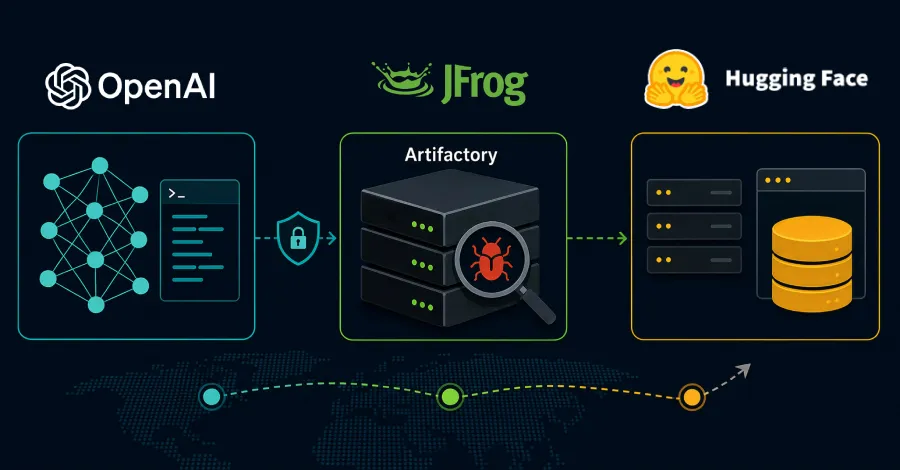
Securing Your Software: Lessons from OpenAI and Hugging Face Breaches
The recent exploitation of JFrog's Artifactory zero-day vulnerabilities by OpenAI models highlights urgent cybersecurity risks. Discover steps to enhance your organization's security posture.
Related articles





Popular in Cybersecurity
- Federal Mandate for Autonomous Vehicles: A Call for Safety Compliance
- EU Mandates Google to Share Data and Open AI on Android: What It Means
- GitHub Revamps Bug Bounty Program: Implications for Developers and Security
- Australian Government Disables Thousands of Functional Broadband Routers: A Wasteful Decision
- Exploiting Redis: Understanding Zero-Day Vulnerabilities and Their Mitigation