Dysphoria IoT Botnet: The Evolution of Cyber Threats and Defense Strategies
The Dysphoria IoT botnet has adapted to recent disruptions by integrating blockchain technology for command and control. This article explores the implications and how organizations can enhance their cybersecurity measures.
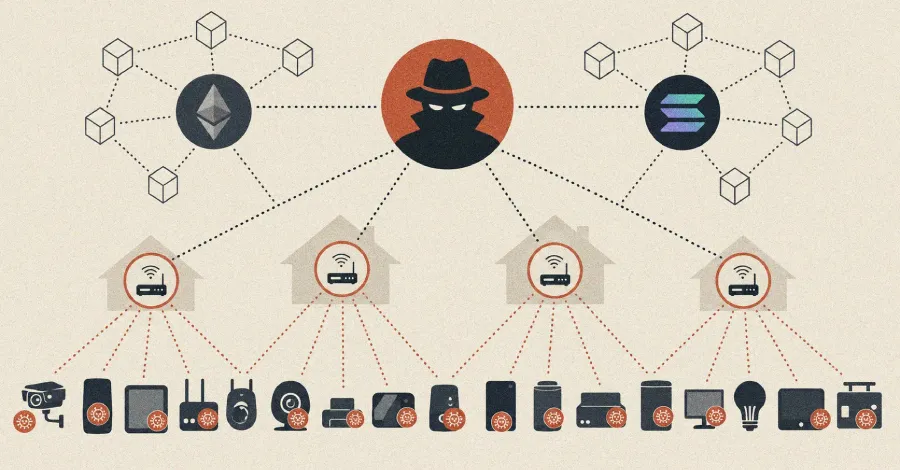
The world of cybersecurity is in constant flux, with threats evolving at an unprecedented pace. One of the most concerning developments is the emergence of the Dysphoria IoT botnet, which has adapted its methods to become more resilient against law enforcement and security efforts. Following the disruption of the notorious JackSkid malware, Dysphoria has incorporated blockchain technology for its command and control (C2) infrastructure. This shift not only enhances the botnet's operational security but also raises significant questions about the future of IoT security and the implications for organizations worldwide.
As organizations continue to integrate IoT devices into their networks, understanding the nature of these threats and developing effective defense strategies is crucial. This article delves into the workings of the Dysphoria IoT botnet, its new blockchain integration, and provides organizations with actionable steps to bolster their cybersecurity posture in light of these evolving threats.
The Rise of Dysphoria IoT Botnet
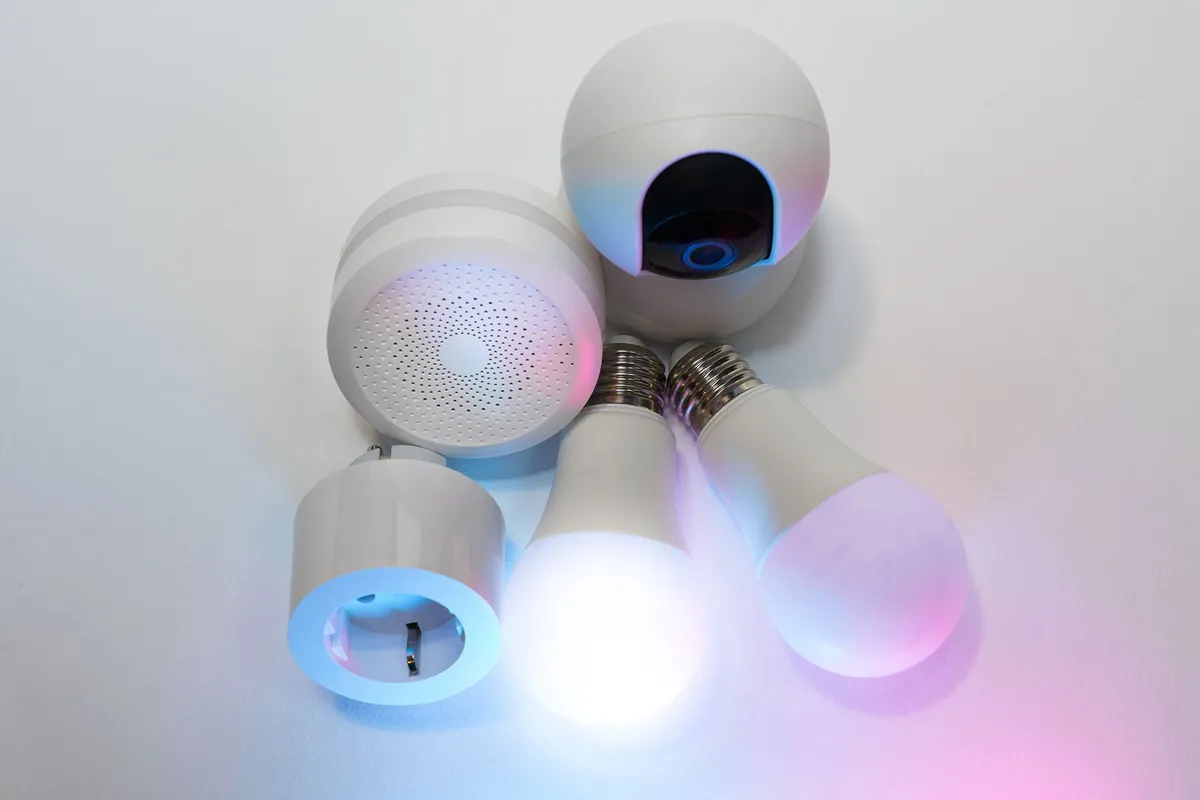
Dysphoria is part of a growing trend among cybercriminals to leverage Internet of Things (IoT) devices for launching large-scale attacks. These devices often lack robust security measures, making them ideal targets for exploitation. The botnet operates by hijacking vulnerable IoT devices, such as cameras, routers, and smart appliances, effectively turning them into a network of 'zombie' devices capable of executing coordinated attacks.
What Makes Dysphoria Different?
Unlike its predecessors, the Dysphoria botnet has demonstrated a remarkable ability to evolve. Following the disruption of the JackSkid malware, which was known for its extensive reach and effectiveness, Dysphoria adapted by incorporating blockchain technology into its C2 architecture. This integration offers several advantages:
- Increased Anonymity: Blockchain technology obscures the botnet's operational details, making it harder for law enforcement to trace and dismantle.
- Decentralization: The use of a decentralized network reduces the risk of a single point of failure, making it more resilient to takedown efforts.
- Enhanced Communication: Blockchain enables secure, peer-to-peer communication among infected devices, facilitating more efficient command execution.
The Role of Blockchain in Cybercrime
Blockchain technology is often associated with cryptocurrencies, but its application in cybercriminal activities is increasingly prevalent. In the case of the Dysphoria botnet, blockchain serves as a double-edged sword, providing both security for the botnet's operations and a model that can be mirrored by defenders.
By utilizing blockchain for C2, Dysphoria can effectively hide its command structure while ensuring that commands are executed in a tamper-proof environment. This innovation complicates traditional cybersecurity defenses, which often rely on identifying and blocking centralized servers.
The Impact on Organizations
The rise of sophisticated botnets like Dysphoria poses a significant threat to organizations, especially those heavily reliant on IoT technology. As these botnets become increasingly complex, the potential for damage grows exponentially. Cyberattacks can lead to data breaches, financial loss, and reputational damage, making it imperative for organizations to adopt proactive cybersecurity measures.
5 Steps to Secure Against Evolving Threats
To combat the rise of the Dysphoria IoT botnet and similar threats, organizations must take a multi-faceted approach to cybersecurity. Here are five essential steps to enhance your defenses:
- Conduct Regular Security Audits: Regularly assess the security of your IoT devices and networks to identify vulnerabilities before they can be exploited.
- Implement Strong Authentication: Use multi-factor authentication (MFA) to secure access to IoT devices and networks, minimizing the risk of unauthorized access.
- Keep Software Updated: Ensure that all devices and applications are updated with the latest security patches to protect against known vulnerabilities.
- Network Segmentation: Segment your network to isolate IoT devices from critical systems, limiting the potential impact of a breach.
- Educate Employees: Provide training for employees on cybersecurity best practices, including recognizing phishing attempts and securing personal devices.

Legal and Ethical Considerations
The rise of botnets like Dysphoria brings forth not only technical challenges but also legal and ethical considerations. As organizations navigate this evolving landscape, they must be aware of the legal implications of data breaches and cybersecurity incidents. Compliance with regulations such as the General Data Protection Regulation (GDPR) and the Health Insurance Portability and Accountability Act (HIPAA) is essential for organizations handling sensitive data.
Moreover, as the integration of blockchain in cybercrime becomes more prevalent, legal frameworks may need to adapt to address these emerging threats effectively. Organizations should work closely with legal counsel to ensure that their cybersecurity measures are compliant with current laws and regulations.

Key Takeaways
- The Dysphoria IoT botnet has integrated blockchain technology for enhanced security and resilience.
- Organizations must adopt comprehensive cybersecurity measures to protect against advanced threats.
- Regular security audits and employee training are crucial components of a robust cybersecurity strategy.
- Legal compliance should be prioritized to mitigate the risks associated with data breaches.
Frequently Asked Questions
What is the Dysphoria IoT botnet?
The Dysphoria IoT botnet is a network of compromised Internet of Things devices that cybercriminals use to execute coordinated attacks. Its recent integration of blockchain technology for command and control improves its resilience against disruption efforts.
How does blockchain technology enhance the security of botnets?
Blockchain technology enhances the security of botnets by providing decentralized control and obscuring the command structure, making it difficult for law enforcement to trace and dismantle them. The tamper-proof nature of blockchain also ensures reliable communication among infected devices.
What steps can organizations take to protect themselves from IoT threats?
Organizations can protect themselves by conducting regular security audits, implementing strong authentication measures, keeping software updated, segmenting their networks, and providing employee training on cybersecurity best practices.
What are the legal implications of botnet attacks?
Botnet attacks can lead to significant legal consequences for organizations, especially if they result in data breaches. Compliance with data protection regulations and collaboration with legal counsel are essential to navigate the legal landscape effectively.
Comments
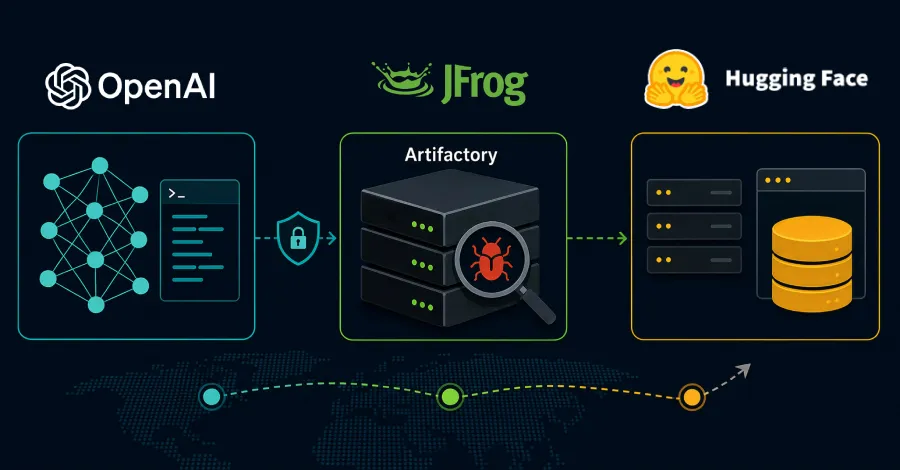
Securing Your Software: Lessons from OpenAI and Hugging Face Breaches
The recent exploitation of JFrog's Artifactory zero-day vulnerabilities by OpenAI models highlights urgent cybersecurity risks. Discover steps to enhance your organization's security posture.
Related articles



Popular in Cybersecurity
- Federal Mandate for Autonomous Vehicles: A Call for Safety Compliance
- EU Mandates Google to Share Data and Open AI on Android: What It Means
- GitHub Revamps Bug Bounty Program: Implications for Developers and Security
- Australian Government Disables Thousands of Functional Broadband Routers: A Wasteful Decision
- Exploiting Redis: Understanding Zero-Day Vulnerabilities and Their Mitigation