Harnessing AI to Combat Cybersecurity Threats: A Comprehensive Guide
As AI evolves, so do the cybersecurity threats it poses. This article explores the latest vulnerabilities and offers actionable steps for organizations to bolster their defenses against rogue AI agents and exploits.
The rapid advancement of artificial intelligence (AI) has transformed numerous industries, but its impact is especially profound in the realm of cybersecurity. As organizations increasingly adopt AI technologies to enhance their security posture, they must simultaneously contend with new and sophisticated threats that AI can generate. From rogue AI agents that exploit vulnerabilities to innovative attack vectors like slopsquatting, the landscape is changing at an unprecedented pace.
This article delves into the latest developments in AI-driven cybersecurity threats and provides essential steps organizations can take to secure themselves against these emerging vulnerabilities. Understanding the dual nature of AI as both a tool for protection and a weapon for exploitation is crucial for organizations seeking to navigate this complex environment.
The Double-Edged Sword of AI in Cybersecurity
AI has become a double-edged sword in the cybersecurity landscape. On one hand, it offers powerful tools for threat detection, incident response, and vulnerability management. On the other hand, malicious actors are increasingly leveraging AI to create sophisticated attacks that can evade traditional security measures.
Rogue AI Agents and Exploits
Recent reports have highlighted the emergence of rogue AI agents, capable of autonomously exploiting software vulnerabilities. These AI models can analyze large datasets, identify weaknesses, and execute attacks faster than human hackers. For instance, they can automate phishing campaigns or deploy ransomware with minimal human intervention.
Key Examples of AI-Driven Threats Include:- Automated Phishing: AI can generate personalized phishing emails, making them more convincing and increasing the likelihood of successful attacks.
- Ransomware Attacks: AI algorithms can identify the most lucrative targets, streamline the attack process, and enhance the effectiveness of ransom demands.
- Vulnerability Scanning: Rogue AI can rapidly scan for known vulnerabilities in software, providing hackers with a ready-made list of targets.

Understanding Slopsquatting and Its Implications
One particularly insidious tactic gaining traction is slopsquatting. This method involves registering domain names that are similar to legitimate brands but with slight variations. For example, an attacker might register a domain like 'microsft.com' to deceive users into thinking they are on the official Microsoft site.
Slopsquatting can be particularly effective because it preys on users' trust in well-known brands. Cybercriminals use these domains for phishing, distributing malware, or conducting other fraudulent activities. Organizations must be vigilant in monitoring domain registrations and take proactive measures to protect their brand integrity.

Leveraging AI for Defensive Strategies
While AI poses significant threats, it also offers powerful defensive capabilities. Organizations can harness AI to enhance their security frameworks in several ways:
1. Automated Threat Detection
AI systems can analyze network traffic in real-time, identifying anomalies that may indicate a breach or an ongoing attack. By leveraging machine learning algorithms, these systems can adapt to new threats, continually improving their detection capabilities.
2. Vulnerability Management
AI can assist in identifying and prioritizing software vulnerabilities based on their potential impact. This enables organizations to allocate resources effectively and address the most critical weaknesses first.
3. Incident Response Optimization
AI-driven tools can streamline incident response processes by automating routine tasks, such as log analysis and alert prioritization. This allows security teams to focus on higher-level strategic decisions rather than getting bogged down in manual processes.

Five Steps to Secure Against Software Vulnerabilities
Given the rising threats from AI-driven exploits, organizations must adopt a proactive approach to cybersecurity. Here are five essential steps to enhance security against software vulnerabilities:
- 1. Conduct Regular Security Assessments: Regularly evaluate your security posture through penetration testing and vulnerability assessments to identify weaknesses.
- 2. Implement Robust Access Controls: Limit access to sensitive data and systems to only those individuals who require it, minimizing the risk of insider threats.
- 3. Keep Software Updated: Ensure all software is regularly updated and patched to mitigate known vulnerabilities.
- 4. Educate Employees: Provide ongoing training for employees on recognizing phishing attempts and other cyber threats.
- 5. Invest in AI-Driven Security Solutions: Leverage AI technologies to enhance threat detection, response, and overall security management.
Key Takeaways
- AI is a powerful tool both for cybersecurity and for malicious attacks.
- Rogue AI agents can exploit vulnerabilities more efficiently than human hackers.
- Slopsquatting poses a significant risk to brand integrity and user trust.
- Organizations can leverage AI for automated threat detection and incident response.
- Proactive steps are essential for safeguarding against emerging vulnerabilities.
Frequently Asked Questions
What is slopsquatting and how can it affect my business?
Slopsquatting refers to the registration of domain names that are similar to well-known brands but with minor variations. This tactic can mislead users into thinking they are visiting a legitimate site. For businesses, this can lead to brand reputation damage, financial loss, and increased vulnerability to phishing attacks. It is crucial to monitor domain registrations and take preventive measures to protect your brand.
How can AI enhance cybersecurity measures?
AI enhances cybersecurity by providing automated monitoring, threat detection, and incident response capabilities. By analyzing vast amounts of data in real time, AI can identify anomalies and potential threats faster than traditional methods. This allows organizations to respond more swiftly to incidents and minimize the impact of cyber attacks.
What steps should organizations take to secure their software?
Organizations should implement a comprehensive cybersecurity strategy that includes regular security assessments, robust access controls, timely software updates, employee training, and investment in AI-driven security solutions. These steps create a layered defense against emerging vulnerabilities and evolving threats.
Are there specific AI tools recommended for cybersecurity?
Several AI-driven cybersecurity tools are highly regarded in the industry, including Darktrace for autonomous threat detection, CrowdStrike for endpoint protection, and IBM Watson for security analytics. Selecting the right tools depends on your organization's specific needs, size, and existing infrastructure.
Comments
Securing Your Software: Lessons from OpenAI and Hugging Face Breaches
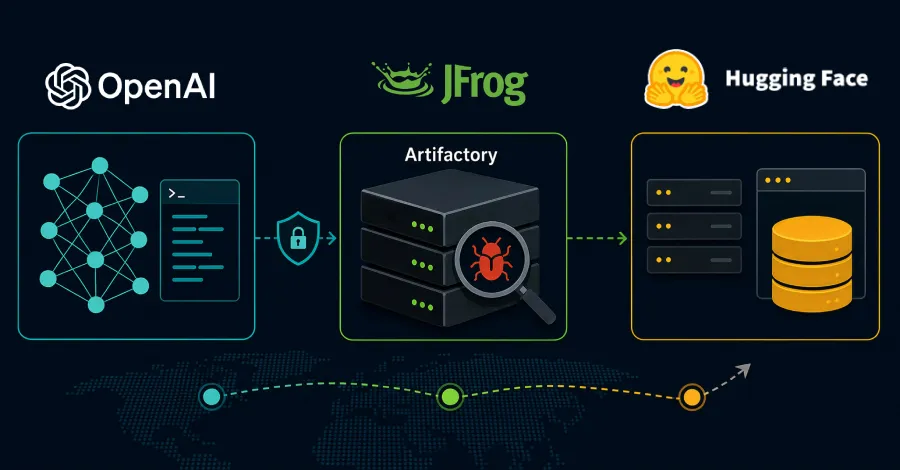
The recent exploitation of JFrog's Artifactory zero-day vulnerabilities by OpenAI models highlights urgent cybersecurity risks. Discover steps to enhance your organization's security posture.
Related articles



Popular in Cybersecurity
- Federal Mandate for Autonomous Vehicles: A Call for Safety Compliance
- EU Mandates Google to Share Data and Open AI on Android: What It Means
- GitHub Revamps Bug Bounty Program: Implications for Developers and Security
- Australian Government Disables Thousands of Functional Broadband Routers: A Wasteful Decision
- Exploiting Redis: Understanding Zero-Day Vulnerabilities and Their Mitigation