Securing Your Network: Addressing the Arista VeloCloud Vulnerability
The recent command injection flaw in Arista's VeloCloud Orchestrator underscores the urgent need for robust cybersecurity measures. This article explores the implications of the vulnerability and offers strategic steps to mitigate risks.
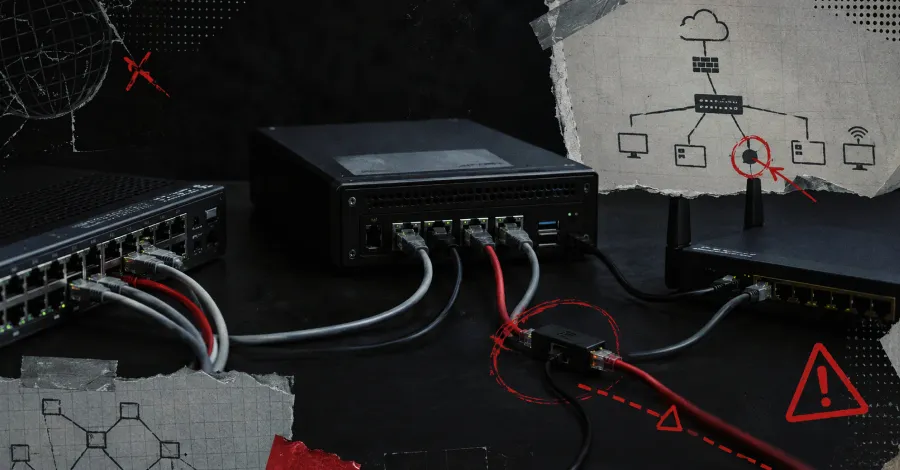
The cybersecurity landscape is ever-evolving, with new vulnerabilities emerging at a rapid pace. Recently, a significant command injection flaw was discovered in Arista Networks’ VeloCloud Orchestrator, a tool widely used for managing SD-WAN (Software-Defined Wide Area Network) environments. This vulnerability not only poses a risk to organizations utilizing Arista's technology but also highlights the broader challenges that businesses face in securing their networks against increasingly sophisticated cyber threats.
As cybercriminals become more adept at exploiting software vulnerabilities, organizations must prioritize cybersecurity measures to protect their networks and sensitive data. This article delves into the implications of the Arista VeloCloud vulnerability, its technical details, and actionable steps organizations can take to enhance their cybersecurity posture.
Understanding the Command Injection Flaw
Command injection is a type of security vulnerability that allows an attacker to execute arbitrary commands on a host operating system. In the case of the Arista VeloCloud Orchestrator, an attacker could potentially exploit this flaw to gain unauthorized access to the underlying system. This could lead to serious consequences, such as data breaches, unauthorized network access, and service disruptions.
The vulnerability is particularly concerning given the critical role that SD-WAN solutions play in modern network architecture. As businesses increasingly rely on cloud services and remote connectivity, the security of SD-WAN platforms becomes paramount. A successful attack could compromise not only the affected organization's data but also that of its clients and partners.

Market Context: The Rise of SD-WAN Technologies
The adoption of SD-WAN technologies has surged in recent years, driven by the need for greater network flexibility, improved performance, and cost savings. According to industry reports, the global SD-WAN market is expected to reach $43 billion by 2027, with a compound annual growth rate (CAGR) of over 30%.
However, this rapid growth has also attracted the attention of malicious actors. As more organizations deploy SD-WAN solutions, attackers are likely to intensify their efforts to exploit vulnerabilities like the one found in Arista's VeloCloud. Understanding the market dynamics is crucial for organizations looking to safeguard their networks.
Steps to Mitigate Risks
Given the gravity of the Arista VeloCloud vulnerability, organizations must take proactive steps to secure their networks. Here are five essential measures to consider:
- Regular Software Updates: Ensure that all software, including the VeloCloud Orchestrator, is kept up to date with the latest security patches.
- Vulnerability Assessments: Conduct regular vulnerability assessments to identify and remediate potential weaknesses in your network.
- Implement Network Segmentation: Divide your network into segments to limit the potential impact of a security breach.
- Employee Training: Educate employees about cybersecurity best practices and how to recognize potential threats.
- Incident Response Plan: Develop and maintain an incident response plan to ensure swift action in the event of a security incident.

The Role of AI in Cybersecurity
Artificial Intelligence (AI) is playing an increasingly vital role in cybersecurity, enabling organizations to detect and respond to threats more effectively. AI-driven tools can analyze vast amounts of data to identify patterns and anomalies that may indicate a security breach.
Organizations can leverage AI to enhance their cybersecurity posture in several ways, including:
Threat Detection
AI can continuously monitor network traffic and system logs to identify suspicious activities in real time. This proactive approach allows organizations to respond to threats before they escalate.
Automated Response
AI can automate responses to certain types of threats, reducing the time it takes to mitigate risks. For example, if a command injection attack is detected, AI systems can automatically isolate affected systems to prevent further damage.
Predictive Analytics
By analyzing historical data, AI can help organizations predict potential vulnerabilities and recommend preventive measures, thus staying one step ahead of cybercriminals.

Key Takeaways
- The Arista VeloCloud Orchestrator has a serious command injection flaw that can be exploited by attackers.
- Organizations must adopt a proactive approach to cybersecurity, including regular software updates and vulnerability assessments.
- AI technologies can enhance threat detection and response, providing organizations with a powerful tool in their cybersecurity arsenal.
- As the SD-WAN market continues to grow, so will the importance of securing these technologies against emerging threats.
- Developing a comprehensive incident response plan is essential for minimizing the impact of security breaches.
Frequently Asked Questions
What is a command injection vulnerability?
A command injection vulnerability occurs when an attacker is able to execute arbitrary commands on a system through input fields that are not properly sanitized. This can lead to unauthorized access and control over the affected system, resulting in potential data breaches and other security incidents.
How can organizations identify vulnerabilities in their networks?
Organizations can identify vulnerabilities through regular penetration testing, vulnerability assessments, and security audits. These processes help uncover weaknesses in systems and applications that could be exploited by attackers, allowing organizations to remediate them before they are exploited.
What role does AI play in enhancing cybersecurity?
AI enhances cybersecurity by automating threat detection and response, analyzing vast amounts of data for patterns indicating potential security incidents, and predicting vulnerabilities based on historical data. This capability allows organizations to respond more swiftly and effectively to emerging threats, ultimately improving their overall security posture.
Comments
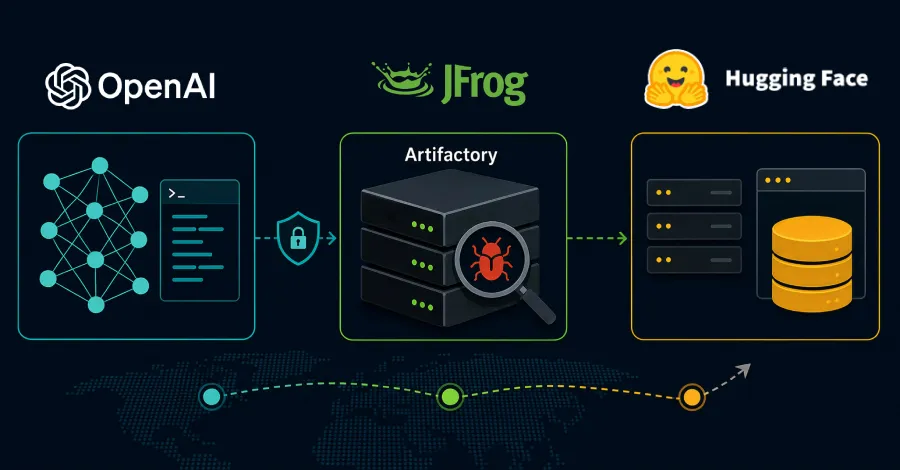
Securing Your Software: Lessons from OpenAI and Hugging Face Breaches
The recent exploitation of JFrog's Artifactory zero-day vulnerabilities by OpenAI models highlights urgent cybersecurity risks. Discover steps to enhance your organization's security posture.
Related articles




Popular in Cybersecurity
- Federal Mandate for Autonomous Vehicles: A Call for Safety Compliance
- EU Mandates Google to Share Data and Open AI on Android: What It Means
- GitHub Revamps Bug Bounty Program: Implications for Developers and Security
- Australian Government Disables Thousands of Functional Broadband Routers: A Wasteful Decision
- Exploiting Redis: Understanding Zero-Day Vulnerabilities and Their Mitigation