Guarding Your Digital Fortress: Addressing vBulletin Vulnerabilities with AI Strategies
A recent public exploit of a vBulletin vulnerability highlights the urgent need for robust cybersecurity measures. Explore how AI can enhance security strategies and protect your organization.
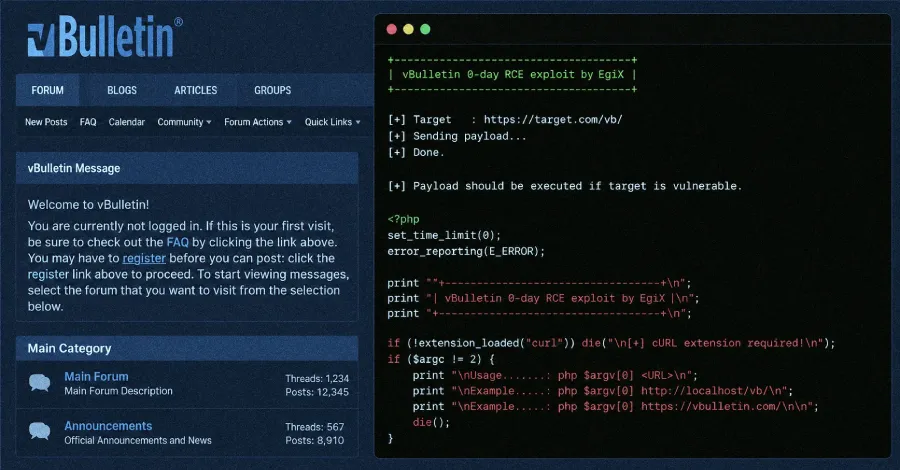
In the rapidly evolving landscape of cybersecurity, new threats emerge almost daily, demanding immediate attention from organizations of all sizes. Recently, a critical vulnerability in the widely-used forum software vBulletin was made public, exposing many sites to potential exploitation. This incident underscores the importance of proactive security measures and the role that artificial intelligence (AI) can play in enhancing organizational defenses. In this article, we’ll explore the implications of this vulnerability, how AI can be leveraged for cybersecurity, and actionable steps your organization can take to safeguard against similar threats.
Understanding the vBulletin Vulnerability
vBulletin is a popular platform for online forums, used by countless websites to facilitate community engagement and discussions. However, the recent discovery of a pre-authentication code execution flaw has raised alarms. This vulnerability allows attackers to execute arbitrary code without needing user authentication, potentially leading to full system compromise.
The fact that this exploit has been made public means that malicious actors are more likely to take advantage of it. For organizations still using vulnerable versions of vBulletin, the window for mitigation is rapidly closing. The exploit showcases a broader issue prevalent in many software applications: even well-regarded platforms can harbor serious vulnerabilities that can be exploited if not addressed promptly.

The Role of AI in Cybersecurity
Artificial intelligence has emerged as a game-changer in the realm of cybersecurity. AI models can analyze vast amounts of data to identify patterns and anomalies, making it easier to detect potential threats before they can cause harm. Here are several ways AI is revolutionizing cybersecurity:
- Threat Detection: AI can process and analyze network traffic in real-time, flagging unusual behaviors that may indicate a breach.
- Automated Responses: AI systems can automatically respond to certain types of threats, reducing the time it takes to mitigate risks.
- Predictive Analytics: By analyzing historical data, AI can predict potential vulnerabilities and attacks, allowing organizations to strengthen their defenses proactively.
- Phishing Protection: AI tools can detect phishing attempts and alert users, helping to prevent credential theft.

Implementing Five Key Steps to Secure Your Organization
In light of the vBulletin vulnerability and the potential for other software exploits, organizations must take proactive measures to secure their systems. Here are five essential steps to bolster your cybersecurity posture:
1. Regular Software Updates
Ensure that all software, including vBulletin and its plugins, is updated regularly. Software vendors frequently release patches to address vulnerabilities, and staying current can significantly reduce the risk of exploitation.
2. Leverage AI Tools
Integrate AI-driven security tools into your cybersecurity strategy. These tools can enhance threat detection and response capabilities, making it harder for attackers to succeed.
3. Conduct Regular Security Audits
Regularly audit your systems to identify potential vulnerabilities. This can involve penetration testing, vulnerability scanning, and reviewing security protocols to ensure they are up to date.
4. Educate Employees
Human error is often a significant factor in security breaches. Conduct regular training sessions to educate employees about security best practices, such as recognizing phishing attempts and using strong passwords.
5. Develop an Incident Response Plan
Having a well-defined incident response plan can make a significant difference in how quickly your organization can respond to a security breach. This plan should include protocols for communication, containment, and recovery.

Why This Matters to Your Organization
The impact of a security breach can be devastating for organizations, leading to financial loss, reputational damage, and legal ramifications. The vBulletin exploit is a reminder that vulnerabilities exist in even the most trusted software and that organizations must be vigilant in their security practices. By adopting AI technologies and implementing robust security measures, organizations can reduce their exposure to risk and better protect their valuable assets.
Key Takeaways
- Recent vulnerabilities in software like vBulletin highlight the need for proactive security measures.
- AI plays a critical role in enhancing cybersecurity through advanced threat detection and automated responses.
- Regular software updates, employee education, and incident response planning are essential components of a robust security strategy.
Frequently Asked Questions
What should I do if my organization uses vBulletin?
If your organization uses vBulletin, the first step is to ensure that you are using the latest version of the software. Check the vendor’s website for any patches or updates specifically addressing the recent vulnerability. Additionally, conduct a security audit to assess your current security posture and identify any potential weaknesses.
How can AI improve my organization's cybersecurity?
AI can improve your organization's cybersecurity by providing advanced analytics for threat detection, automating responses to known threats, and predicting potential vulnerabilities. By leveraging AI technologies, organizations can gain a more proactive approach to security, reducing the likelihood of successful attacks.
What are the consequences of ignoring software vulnerabilities?
Ignoring software vulnerabilities can lead to severe consequences, including data breaches, financial loss, and reputational damage. In addition, organizations may face legal ramifications if customer data is compromised. It is essential to prioritize cybersecurity to protect against these risks.
Comments
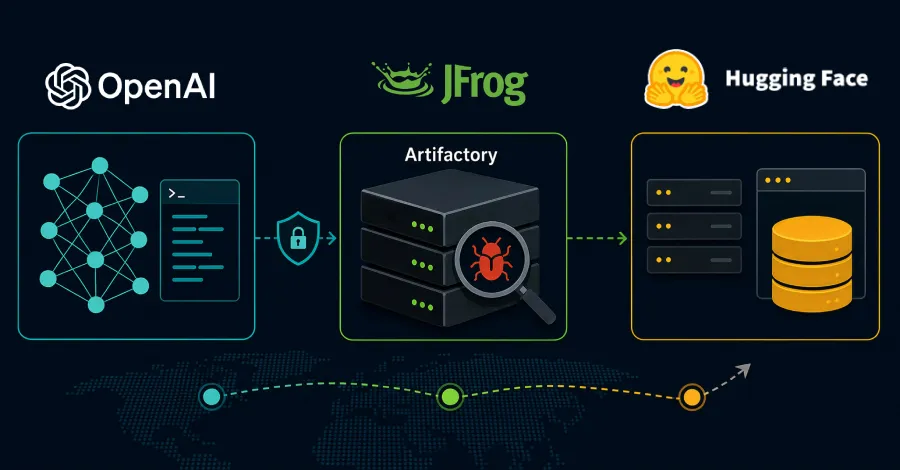
Securing Your Software: Lessons from OpenAI and Hugging Face Breaches
The recent exploitation of JFrog's Artifactory zero-day vulnerabilities by OpenAI models highlights urgent cybersecurity risks. Discover steps to enhance your organization's security posture.
Related articles




Popular in Cybersecurity
- Federal Mandate for Autonomous Vehicles: A Call for Safety Compliance
- EU Mandates Google to Share Data and Open AI on Android: What It Means
- GitHub Revamps Bug Bounty Program: Implications for Developers and Security
- Australian Government Disables Thousands of Functional Broadband Routers: A Wasteful Decision
- Exploiting Redis: Understanding Zero-Day Vulnerabilities and Their Mitigation