Understanding Vaccine Hesitancy: The Power of Storytelling
Vaccine hesitancy, driven by compelling narratives rather than facts, poses significant challenges for public health. This article explores the storytelling techniques that fuel skepticism and offers insights for addressing these complex issues.
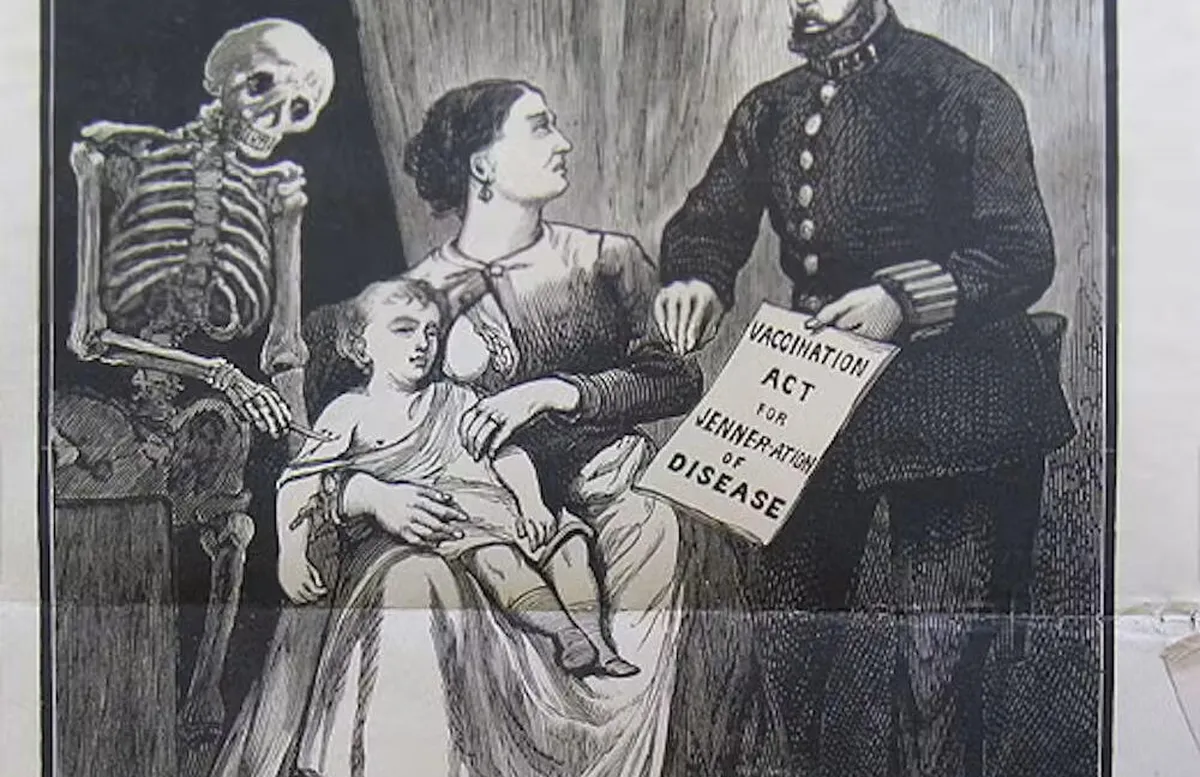
The rise of vaccine hesitancy has become a pressing issue for public health officials and medical professionals alike. Despite the overwhelming evidence supporting vaccine safety and efficacy, many individuals remain skeptical, often influenced more by emotional narratives than by scientific facts. This phenomenon is not new; it has historical roots that stretch back to the 19th century, where opposition to vaccination was framed around civil liberties and bodily autonomy. Today, the challenge remains: how can public health advocates counteract the compelling stories that fuel vaccine skepticism?
Vaccine hesitancy is not merely a modern dilemma. Historical resistance to vaccination can be traced back to the smallpox vaccine in England, where citizens protested against mandatory vaccination laws. In the United States, organized resistance began as early as 1894 with the formation of the Anti-Compulsory Vaccination League. Fast forward to today, figures such as Robert F. Kennedy Jr. have taken the mantle of the anti-vaccine movement, perpetuating narratives that resonate emotionally with certain segments of the population. As public health advocates strive to provide factual information, the underlying question remains: Why do these stories hold so much power over people's beliefs?
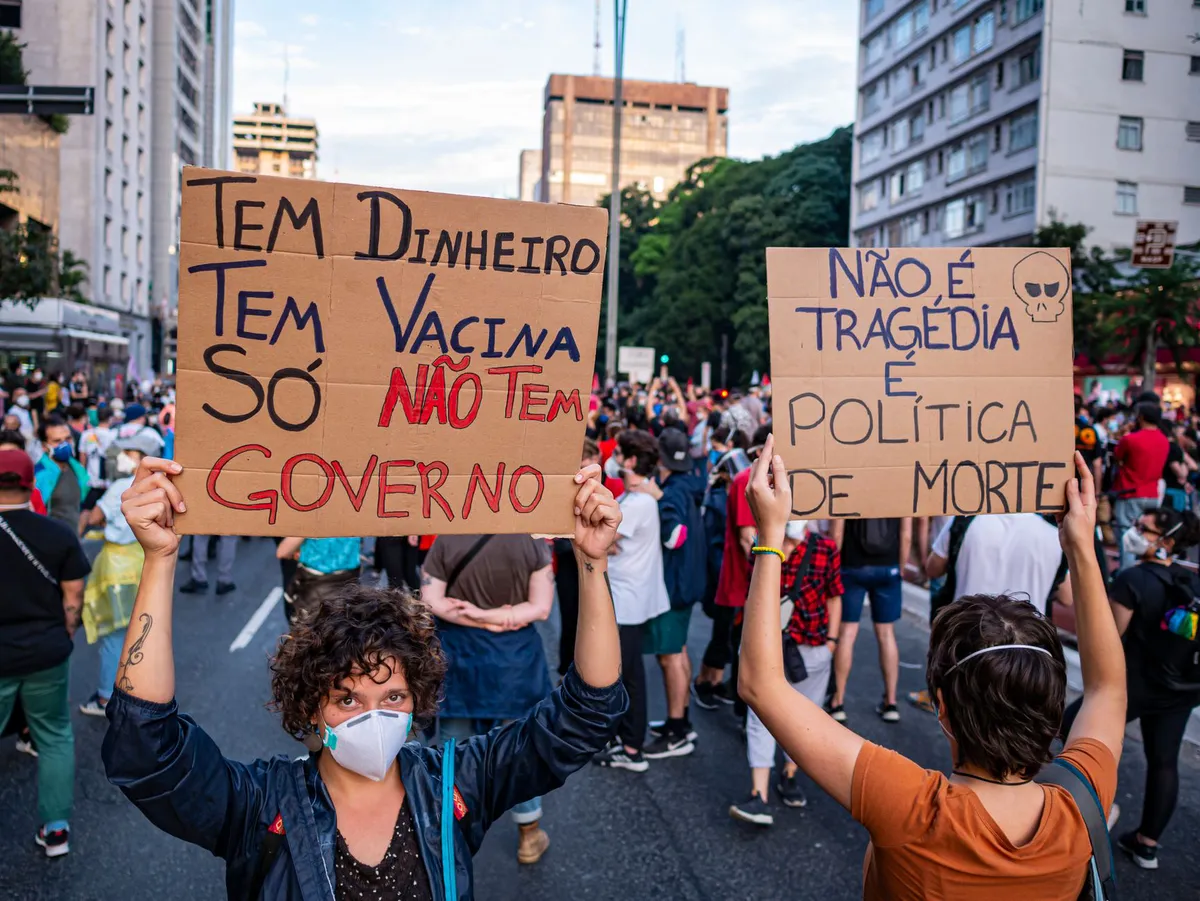
The Role of Storytelling in Vaccine Hesitancy
At the heart of vaccine skepticism lies the art of storytelling. Unlike the straightforward, often technical communication used by public health officials, vaccine-hesitant groups craft narratives that are dynamic and emotionally charged. These stories often highlight personal experiences of pain, fear, and mistrust, creating a vivid picture that sticks in the minds of their audience. This emotional resonance can overshadow the more mundane realities of vaccine science, which can seem dry and unengaging by comparison.
The Information Deficit Model
Many public health campaigns operate under the assumption that misinformation is simply a result of a lack of understanding. This approach, known as the information deficit model, suggests that providing more accurate data will resolve skepticism. However, this perspective fails to account for the complex social, cultural, and psychological factors that shape vaccine attitudes. Research indicates that vaccine hesitancy is a "wicked problem"—one that cannot be solved by information alone. Instead, it is influenced by a myriad of issues, including personal beliefs, social belonging, and historical mistrust.
Who Are the Vaccine Hesitant?
Vaccine hesitancy is not confined to a specific demographic. Contrary to popular belief, individuals who express skepticism about vaccines can be found across all levels of education and health literacy. Some may be driven by a desire to protect their children, while others are influenced by a general distrust of government institutions. The narratives that these individuals connect with often resonate on a deeply personal level, making them more impactful than cold medical data.

Narrative Strategies of Vaccine Skeptics
Vaccine-hesitant groups utilize a range of narrative strategies that draw from literature, film, and other storytelling forms to craft their messages. These narratives often frame vaccination as a symbol of governmental overreach or a threat to personal freedom, rather than a public health measure. For example, the refusal of the COVID-19 vaccine has been portrayed as an act of defiance against a perceived authoritarian regime, tapping into broader anxieties about individual autonomy.
Emotional Engagement Over Scientific Facts
One of the reasons vaccine skepticism persists is that emotional stories often take precedence over factual information. Narratives that depict adverse vaccine reactions or emphasize personal freedom can create a powerful emotional response. These narratives can effectively mobilize individuals and communities against vaccination, even in the face of overwhelming scientific evidence to the contrary. A story about a child who suffered from a vaccine side effect can evoke more sympathy and concern than a statistic about the safety of vaccines.
- Historical Context: Opposition to vaccines dates back centuries.
- Complex Influences: Vaccine hesitancy is shaped by personal, cultural, and social factors.
- Narrative Power: Emotional stories often outweigh technical data.
- Diverse Skeptics: Vaccine skepticism spans across demographics and education levels.
- Symbolism: Vaccines are often framed as symbols of personal freedom or governmental control.

Redefining Public Health Communication
As the challenge of vaccine hesitancy persists, there is a growing recognition that simply providing more information is insufficient. Public health professionals need to engage with the narratives that resonate with vaccine-hesitant individuals. This involves acknowledging the valid concerns and experiences that lead to skepticism and creating an environment where these individuals feel heard and respected.
Building Trust Through Understanding
For marginalized communities, historical injustices and systemic discrimination create a foundation of distrust towards the medical establishment. For example, the legacy of forced medical experimentation has led many Black Americans to approach health recommendations with skepticism. Public health initiatives must address these historical contexts and work towards building trust through transparency and dialogue.
Utilizing Narrative Techniques
To counteract the persuasive power of vaccine skepticism, public health communicators can adopt storytelling techniques that resonate with the audience. This includes employing narratives that emphasize community well-being, shared responsibility, and positive health outcomes. By crafting stories that connect with emotional experiences while also promoting fact-based information, public health advocates can begin to reframe the conversation around vaccines.

Key Takeaways
- Vaccine hesitancy is a complex issue influenced by emotional and social factors.
- Successful counter-narratives should engage with the concerns of vaccine-hesitant individuals.
- Storytelling techniques can be used to create more relatable public health messages.
- Building trust with marginalized communities is essential for effective health communication.
- Understanding the underlying narratives can help public health professionals address vaccine skepticism more effectively.
Frequently Asked Questions
What causes vaccine hesitancy?
Vaccine hesitancy is driven by a multitude of factors, including distrust in medical institutions, personal beliefs, cultural influences, and emotional narratives. People may feel that their autonomy is threatened or may have had negative experiences with the healthcare system, leading them to question vaccine safety and necessity.
How can public health officials effectively combat vaccine skepticism?
To combat vaccine skepticism, public health officials should engage with the narratives that resonate with individuals. This includes acknowledging their concerns, providing transparent information, and utilizing storytelling techniques that emphasize community health and shared responsibility. Understanding the emotional underpinnings of vaccine hesitancy is crucial for creating effective communication strategies.
Why do emotional stories have more impact than facts?
Emotional stories often create a stronger connection with individuals than factual data. They resonate on a personal level, tapping into fears, hopes, and values. As a result, these narratives can be more memorable and persuasive, leading people to prioritize emotional impact over scientific evidence.
What role does history play in vaccine skepticism?
Historical injustices, such as forced medical experimentation on marginalized communities, contribute to a lack of trust in the healthcare system. Understanding this context is essential for public health officials, as it helps them communicate more effectively with individuals who may have legitimate concerns based on their historical experiences.
Comments
Securing Your Software: Lessons from OpenAI and Hugging Face Breaches
The recent exploitation of JFrog's Artifactory zero-day vulnerabilities by OpenAI models highlights urgent cybersecurity risks. Discover steps to enhance your organization's security posture.

Related articles





Popular in Cybersecurity
- Federal Mandate for Autonomous Vehicles: A Call for Safety Compliance
- EU Mandates Google to Share Data and Open AI on Android: What It Means
- GitHub Revamps Bug Bounty Program: Implications for Developers and Security
- Australian Government Disables Thousands of Functional Broadband Routers: A Wasteful Decision
- Exploiting Redis: Understanding Zero-Day Vulnerabilities and Their Mitigation