5th Circuit Ruling: Texas Law on Content Filtering Struck Down
The 5th Circuit Court blocks Texas legislation mandating websites to filter harmful speech, reinforcing Section 230 protections. This landmark decision highlights the ongoing debate over online content moderation and parental control.

The digital landscape continues to evolve, presenting new challenges and opportunities when it comes to content moderation and online safety. Recently, the U.S. Court of Appeals for the 5th Circuit delivered a significant ruling that blocks a Texas law requiring websites to filter content deemed "harmful" to minors. This decision not only sheds light on the limitations of state-level regulation in the digital realm but also emphasizes the protections offered by Section 230 of the Communications Decency Act, a critical piece of legislation in the fight against online censorship.
On July 27, 2026, the 5th Circuit ruled in favor of major tech industry groups, including the Computer & Communications Industry Association (CCIA) and NetChoice, which challenged the Texas law, known as the Securing Children Online through Parental Empowerment Act (SCOPE Act). The ruling marks a pivotal moment in the ongoing dialogue surrounding the balance between protecting minors online and preserving free speech rights.

The SCOPE Act: An Overview
The SCOPE Act was introduced with the intention of shielding minors from harmful content accessed through digital service providers (DSPs). It mandated that websites monitor and filter content that could be classified as obscene or harmful, including material that could promote self-harm, substance abuse, bullying, and other forms of dangerous behavior. The law's proponents argued that it was essential for protecting children in an increasingly digital world.
However, the law faced immediate backlash from tech advocates who argued that the filtering requirement infringed upon the rights of website operators and would lead to excessive censorship. According to the 5th Circuit ruling, the monitoring and filtering mandate was found to be preempted by Section 230, which provides immunity to online platforms from liability for third-party content. This legal shield has been a cornerstone of the internet's growth, enabling platforms to host user-generated content without facing the risk of being held responsible for everything posted.

The Legal Argument: Section 230 and Its Implications
Section 230 of the Communications Decency Act of 1996 has been a topic of intense debate since its inception. The ruling in favor of the tech groups rested on the principle that the SCOPE Act's requirements imposed a form of publisher liability on DSPs, which Section 230 explicitly prohibits. The court noted that enforcing such filtering requirements would compel platforms to engage in censorship of broadly defined lawful speech.
The distinction made by the judges between the SCOPE Act's filtering requirements and other regulations, such as age verification, is crucial. While age verification was upheld in a prior ruling concerning adult content, the judges asserted that filtering content represented a different legal challenge, one that directly conflicted with the protections of Section 230. The court stated, "Actions to enforce the monitoring and filtering requirement are claims stemming from DSPs’ actions as publishers, that is, from their monitoring, screening, and deletion of content, and are thus squarely preempted by Section 230." This ruling reinforces the notion that the government cannot compel websites to act as censors.

The Role of Parental Control and Public Sentiment
The debate surrounding the SCOPE Act raises important questions about parental control and the role of government in protecting children online. Proponents of the law argued that it was necessary to empower parents to safeguard their children from exposure to harmful materials, asserting that the government has a responsibility to intervene where parents may not be able to.
However, the ruling emphasized that it is ultimately parents, not the state, who should determine what content is appropriate for their children. Responding to the ruling, NetChoice affirmed this sentiment, stating, "Parents, not the government, are best positioned to decide what is appropriate for their own families, and today’s ruling protects that fundamental right." This underscores the ongoing tension between parental rights and governmental oversight in the digital age.
A Partial Victory for the State
While the 5th Circuit's decision was a significant blow to the SCOPE Act's filtering requirements, it is important to note that not all aspects of the law were overturned. The court found that certain provisions, such as mandatory age registration for users and restrictions on targeted advertising to minors, could still be enforced. This means that while the state cannot compel websites to filter content, it can still impose obligations on DSPs regarding age verification and marketing practices.
This aspect of the ruling is particularly relevant for platforms that cater to a younger audience. The requirement to verify user ages before account creation or prevent targeting minors with advertisements for illegal products remains a crucial element in the broader conversation about online safety.

Key Takeaways
- The 5th Circuit ruled against Texas’ SCOPE Act, reinforcing Section 230 protections.
- The law's content filtering requirements were deemed unconstitutional and overly broad.
- States can impose age verification and advertising restrictions but cannot mandate content censorship.
- The ruling emphasizes parental control over governmental regulation regarding children's online safety.
- This case highlights the ongoing legal battles around online content governance and platform responsibilities.
Frequently Asked Questions
What is Section 230, and why is it important?
Section 230 of the Communications Decency Act provides legal protection to online platforms by shielding them from liability for content created by third parties. This means that websites cannot be held responsible for user-generated content, which has been essential for fostering a diverse and vibrant online ecosystem. Without these protections, platforms might over-censor content or restrict user expression to avoid legal repercussions.
How does this ruling affect online platforms?
The 5th Circuit ruling serves as a significant precedent for online platforms, reinforcing their immunity from being forced to censor content based solely on state mandates. This ruling affirms that while states can implement certain regulations, such as age verification, they cannot compel platforms to act as content moderators in ways that infringe on free speech rights. It encourages platforms to continue hosting user-generated content without fear of excessive liability.
What are the implications for parents concerned about their children's online safety?
The ruling highlights the importance of parental control in guiding children's online experiences. Parents are encouraged to take an active role in monitoring their children's internet usage and utilizing available tools and resources to filter content. While the government may not impose specific filtering requirements, parents can leverage software and educational resources to create a safer online environment for their children.
What potential changes could occur in future legislation regarding online content moderation?
The ruling may influence future legislative efforts aimed at regulating online content. Lawmakers may need to reconsider how they approach online safety and the responsibilities of digital platforms. Instead of imposing blanket filtering laws, future initiatives may focus on empowering parents and enhancing transparency regarding platform policies and user protections, fostering a collaborative approach to online safety.
Comments
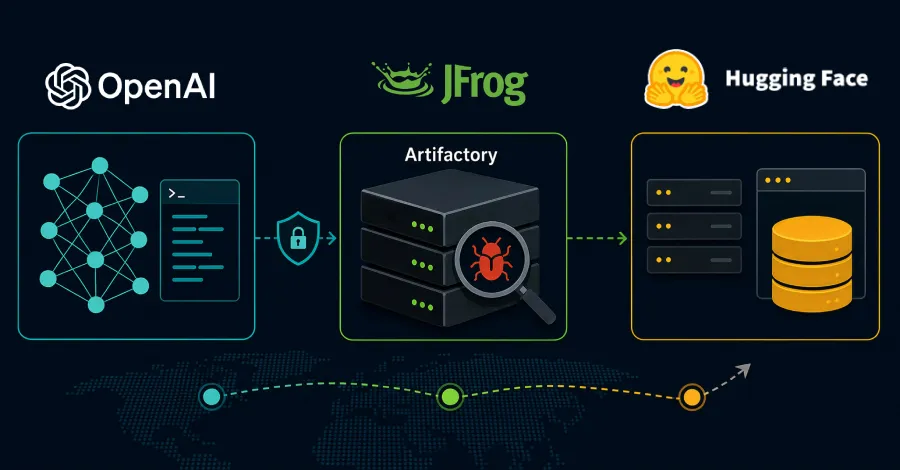
Securing Your Software: Lessons from OpenAI and Hugging Face Breaches
The recent exploitation of JFrog's Artifactory zero-day vulnerabilities by OpenAI models highlights urgent cybersecurity risks. Discover steps to enhance your organization's security posture.
Related articles




Popular in Cybersecurity
- Federal Mandate for Autonomous Vehicles: A Call for Safety Compliance
- EU Mandates Google to Share Data and Open AI on Android: What It Means
- GitHub Revamps Bug Bounty Program: Implications for Developers and Security
- Australian Government Disables Thousands of Functional Broadband Routers: A Wasteful Decision
- Exploiting Redis: Understanding Zero-Day Vulnerabilities and Their Mitigation