Iran-Linked Hackers Targeting U.S. Water and Energy Infrastructure: A Growing Threat
The U.S. government warns of Iranian state-backed hackers targeting critical infrastructure, including water and energy providers. This article explores the implications of these cyber threats and how organizations can bolster their defenses.
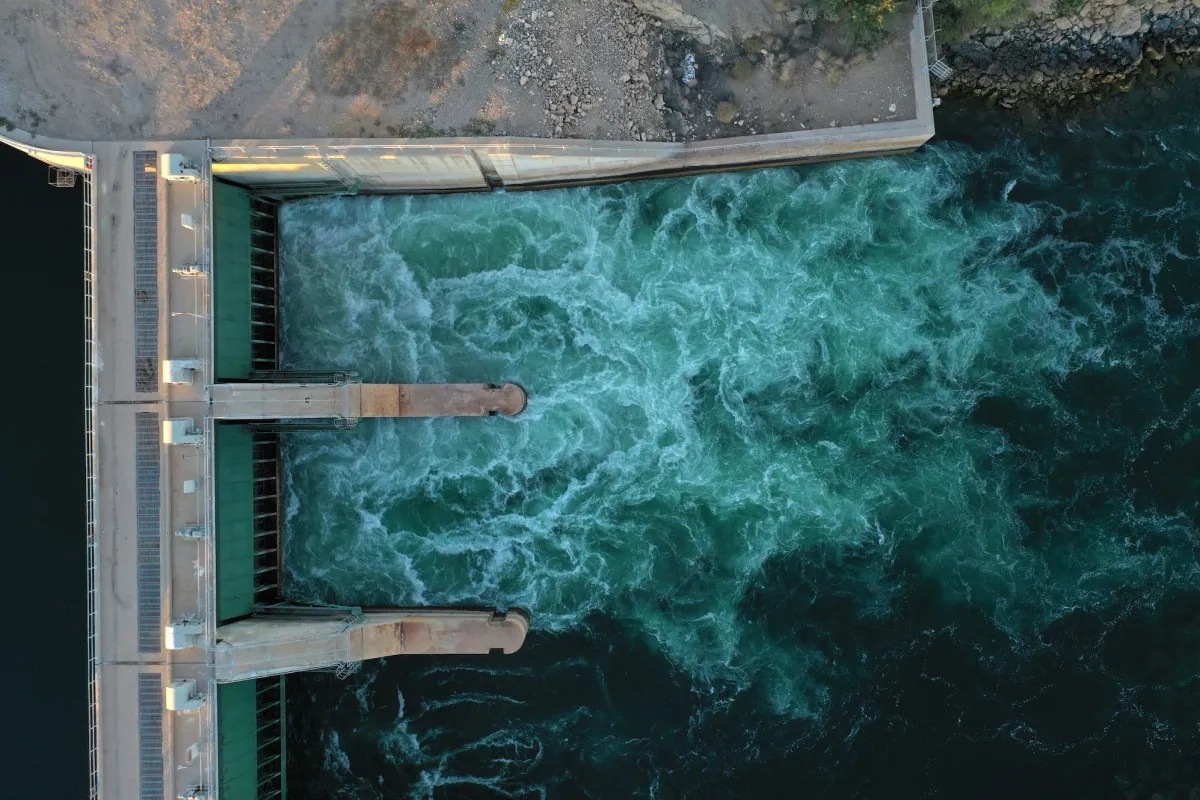
The specter of cyber warfare looms larger than ever, with the U.S. government recently issuing a stark warning about Iranian state-sponsored hackers infiltrating vital American industrial control systems. As geopolitical tensions escalate, particularly in the wake of conflicts involving Iran, the risk to critical infrastructure has intensified. This alarming trend poses significant challenges for water and energy providers, which are essential for the day-to-day functioning of American society.
Federal agencies, including the FBI, NSA, and CISA (Cybersecurity and Infrastructure Security Agency), have reported that these cybercriminals are targeting programmable logic controllers (PLCs) on internet-connected operational networks. This not only allows them to manipulate data but also disrupts systems that manage critical processes, raising the stakes for national security and public safety.
The Nature of the Threat
Cyber attacks originating from Iran are not new, but recent developments suggest a more aggressive approach. The advisory details how Iranian hackers are now targeting a broader range of industrial control systems (ICS), expanding beyond initial targets such as Rockwell Automation to include products from well-established companies like Schneider Electric and Siemens. The implication here is clear: virtually any internet-exposed ICS could be vulnerable, and the potential for chaos is significant.
Operational Risks
In one particularly concerning incident, hackers successfully broke into a critical infrastructure provider and altered the programming of PLCs to disable processes responsible for managing critical shutdowns and alarms. This manipulation allowed systems to enter unsafe operational conditions, potentially leading to catastrophic failures without alerting operators to the anomalies. Such vulnerabilities not only jeopardize the integrity of the systems but also endanger public safety.

Escalating Cyber Warfare
Since the onset of the ongoing conflict in February, there has been a noticeable escalation in cyber attacks linked to Iranian actors. This new wave of digital aggression includes typical espionage tactics alongside destructive hacks, which have caused significant disruptions. For instance, a notable attack on the U.S. medical technology company Stryker enabled hackers to wipe out tens of thousands of employee devices, showcasing the broad impact these attacks can have.
Moreover, the Iranian hacking group known as Handala has claimed responsibility for various high-profile breaches, including one involving California water provider Cal Water. Although Cal Water reported no evidence of unauthorized access to its operational networks, the incident highlights a critical concern: hackers are willing to threaten essential services, even if they lack the capability to execute their threats completely.
Legal and Regulatory Implications
The ramifications of these cyber threats stretch beyond immediate operational concerns; they also raise significant legal and regulatory questions. As threats to critical infrastructure become increasingly prevalent, the need for organizations to comply with cybersecurity frameworks becomes paramount. The Department of Energy and CISA will likely accelerate the development of stricter cybersecurity regulations aimed at protecting essential services.
- Compliance Requirements: Organizations may soon be required to adopt specific cybersecurity measures, including regular vulnerability assessments and incident response plans.
- Liability Concerns: Failure to protect critical infrastructure against cyber threats could expose organizations to significant legal liabilities.
- Insurance Implications: Cyber insurance policies may evolve to include specific requirements for organizations to mitigate risks associated with cyber attacks.
Best Practices for Defending Critical Infrastructure
Given the increased risk posed by Iranian-linked hackers, it's imperative for organizations operating within the water and energy sectors to bolster their cybersecurity measures. Here are some best practices to consider:
1. Regular Security Assessments
Conducting frequent security assessments can help organizations identify vulnerabilities within their systems. Engaging third-party cybersecurity firms to perform penetration testing can reveal weaknesses before malicious actors exploit them.
2. Implementing Zero Trust Architecture
Adopting a Zero Trust model — which assumes that all network traffic is untrusted until verified — can significantly enhance security. This involves segmenting networks and employing strict access controls to limit exposure to potential threats.
3. Employee Training and Awareness
Human error remains one of the most significant vulnerabilities in cybersecurity. Regular training sessions on recognizing phishing attempts and understanding the importance of cybersecurity protocols can empower employees to be the first line of defense.
4. Incident Response Planning
Organizations should develop and regularly update an incident response plan to ensure rapid action during a cyber attack. This includes designating a response team, outlining communication strategies, and conducting mock drills.
Key Takeaways
- Iranian-backed hackers are actively disrupting U.S. water and energy sectors.
- All internet-exposed industrial control systems are potentially at risk.
- Organizations must adopt stringent cybersecurity measures to protect critical infrastructure.
- Legal and regulatory pressures are likely to increase as threats evolve.
Frequently Asked Questions
What are programmable logic controllers (PLCs)?
Programmable Logic Controllers (PLCs) are industrial digital computers used for automation of electromechanical processes, such as control of machinery on factory assembly lines, amusement rides, or light fixtures. They are integral to the operation of industrial control systems and are often connected to the internet, making them potential targets for cyber attacks.
How can organizations prepare for potential cyber attacks?
Organizations can prepare by conducting vulnerability assessments, implementing a Zero Trust architecture, providing employee training on cybersecurity awareness, and developing incident response plans. Regular audits and updates of these measures are essential to adapt to evolving threats.
What are the implications of a cyber attack on critical infrastructure?
A successful cyber attack on critical infrastructure can lead to severe consequences, including service disruptions, financial losses, compromised data, and potential harm to public safety. Such incidents can also result in legal liabilities and regulatory scrutiny for the affected organizations.
Comments
AegisAI Secures $36M to Combat AI-Driven Spear Phishing Threats
AegisAI, a startup founded by ex-Google security executives, has raised $36 million to enhance email security against AI-driven spear phishing attacks. This funding will bolster their innovative AI agents designed to outsmart cybercriminals leveraging advanced techniques to target individuals.

Related articles



Popular in Cybersecurity
- Federal Mandate for Autonomous Vehicles: A Call for Safety Compliance
- EU Mandates Google to Share Data and Open AI on Android: What It Means
- GitHub Revamps Bug Bounty Program: Implications for Developers and Security
- Australian Government Disables Thousands of Functional Broadband Routers: A Wasteful Decision
- Exploiting Redis: Understanding Zero-Day Vulnerabilities and Their Mitigation