Tesla's Door Handle Issues Prompt New U.S. Safety Regulations
Recent incidents involving Tesla's electronically-operated door handles have led U.S. regulators to consider new safety rules for vehicle exit mechanisms, aiming to prevent occupant entrapment.
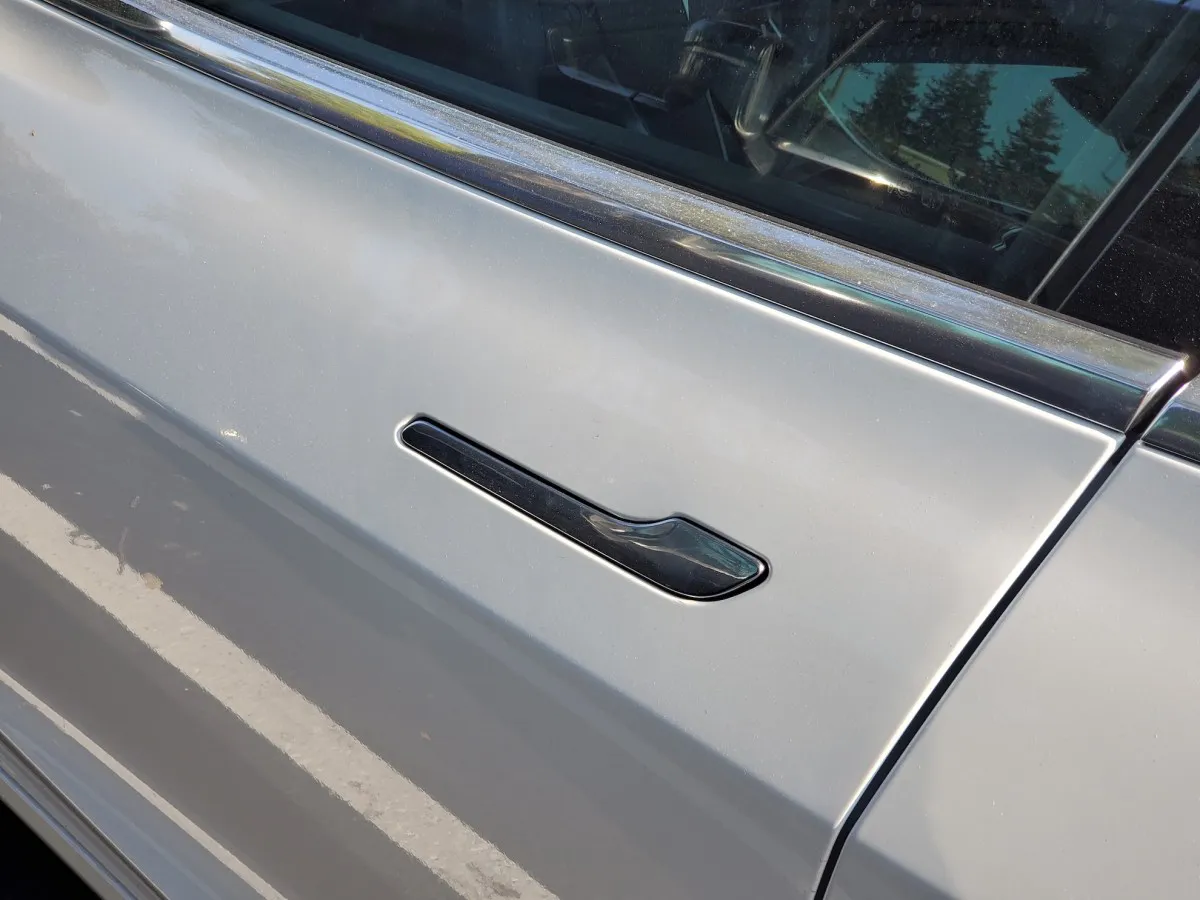
The safety of vehicle occupants has always been a paramount concern, but recent troubling incidents involving Tesla's flush, electronically-operated door handles have raised new alarms. The National Highway Traffic Safety Administration (NHTSA) has initiated a rule-making process to address the safety of vehicle exit mechanisms, particularly focusing on the ability for drivers and passengers to safely exit their cars, especially during emergencies. This decision comes after a series of reports detailing harrowing experiences where individuals found themselves trapped inside their vehicles, sometimes with children present, due to malfunctions related to the door handles.
In July 2026, following a petition for an investigation into the emergency mechanical door release design of the 2022 Tesla Model 3, the NHTSA decided to explore potential new regulations rather than launching a defect investigation. While this move signifies a step toward enhancing vehicle safety, it also underscores the complexities involved in balancing innovative design with essential safety features in automotive engineering.
Understanding the Implications of Electrically Operated Door Handles
The primary concern with Tesla's door handle design lies in its reliance on electronic systems. Unlike traditional handles, which mechanically operate regardless of the vehicle's power state, Tesla's flush door handles require electrical power to function. This dependency can pose significant risks, particularly in scenarios such as:
- Power failures: If the vehicle's battery is depleted, the electronic locks may fail, rendering the handles inoperable.
- Accidents: In the event of a collision, if the vehicle's electrical systems are compromised, occupants may struggle to exit.
- Child safety: Instances where children are left inside vehicles with malfunctioning handles can lead to dangerous situations.
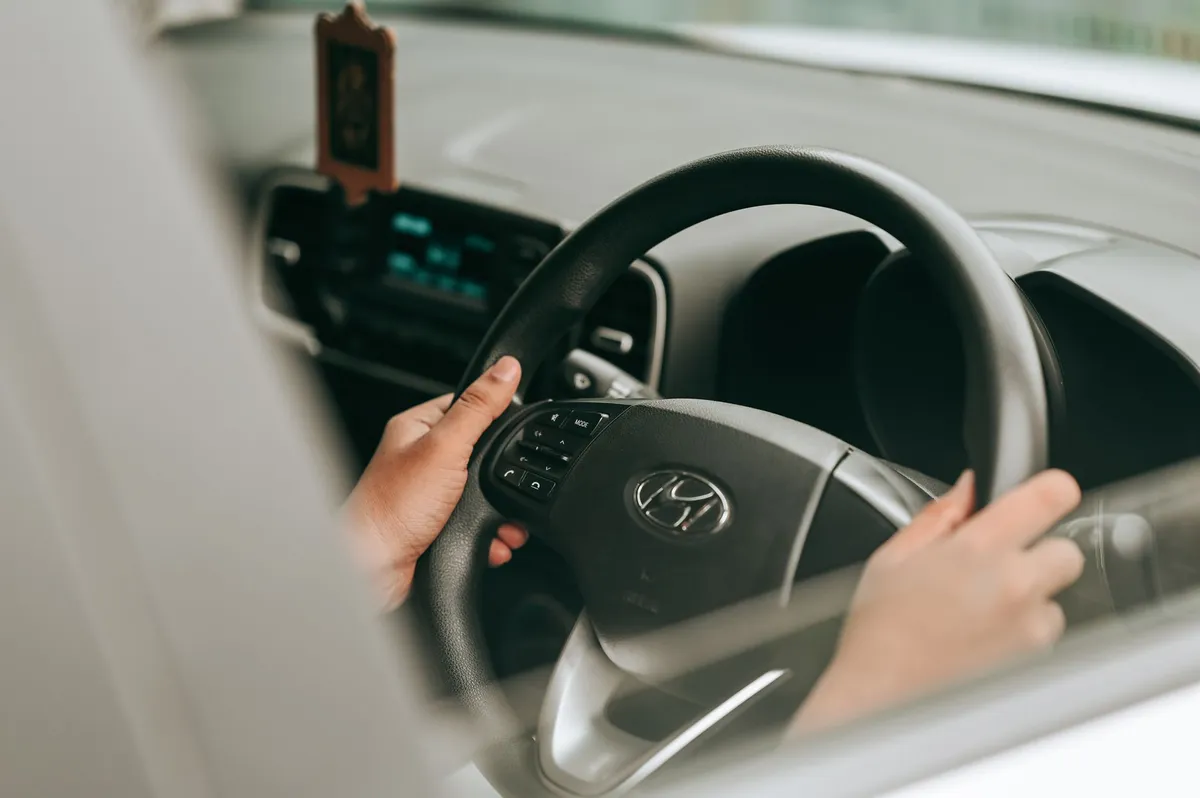
According to initial NHTSA findings, there were multiple reports of Tesla owners unable to access their vehicles, raising alarms about the adequacy of existing safety standards. The situation became even more critical as incidents of occupants being trapped during emergencies were brought to light. The NHTSA noted that while Tesla vehicles do possess manual door releases, these are located only inside the car, which can be insufficient in urgent situations.
The Regulatory Response: A Shift Toward New Standards
The NHTSA's decision to consider new rules reflects a growing recognition of the need to adapt safety standards to evolving automotive technologies. The agency explained that the rule-making process would involve gathering public comments and additional data to determine the necessity of new safety standards under the Vehicle Safety Act. This proactive approach aims to prevent future incidents and enhance the overall safety of all vehicles on the road.
In response to the growing scrutiny, Tesla's design team has acknowledged the issues and indicated that they are working on a redesign of their door handles. Other automakers, like Rivian, have already begun rethinking their designs in light of these incidents, with plans to make manual releases more accessible and visible.
Industry Reactions and the Future of Vehicle Safety
The automotive industry is watching closely as this rule-making process unfolds. Automakers are not only concerned about compliance with potential new standards but also about the impact on consumer perceptions and brand reputation. As Tesla has often been at the forefront of innovation, the scrutiny it faces may influence how other manufacturers approach safety and design.
Consumer advocates have welcomed the NHTSA's decision, emphasizing the importance of ensuring that all vehicles are equipped with effective emergency exit mechanisms. The automotive safety landscape is rapidly evolving, and stakeholders are urged to engage in discussions about how best to balance innovation with safety. This situation serves as a reminder that technological advancements should always prioritize user safety.
Implications for Tesla and Other Automakers
For Tesla, this scrutiny could have both short-term and long-term implications. In the short term, the company may face increased regulatory oversight and pressure to expedite modifications to its door handle design. Long-term, this could influence Tesla's design philosophy and its commitment to integrating safety features in future models.
Other automakers are likely to reassess their designs as well, possibly accelerating the adoption of safety features that ensure occupant exit in emergencies. The introduction of new regulations could lead to increased costs for manufacturers, who will need to invest in redesigning existing models to meet new standards. However, the potential for enhanced safety could also translate into improved consumer confidence and market growth.

Key Takeaways
- NHTSA considers new safety regulations for vehicle exit mechanisms following Tesla incidents.
- Electrically-operated door handles pose risks during power failures and emergencies.
- Manual door releases are often inaccessible, raising safety concerns.
- Industry-wide implications as automakers reassess designs in light of potential new standards.
Frequently Asked Questions
What specific issues have been reported with Tesla's door handles?
Reports indicate that several Tesla owners have experienced difficulties accessing their vehicles, particularly during power failures or accidents. This has raised concerns about the ability of occupants to exit safely in emergencies, particularly for children who may be trapped inside. The NHTSA has documented these incidents and is investigating the implications of these designs on safety.
How will the NHTSA's new rule-making process work?
The NHTSA's rule-making process involves gathering input from the public and stakeholders to assess the need for new safety standards. This process includes soliciting comments, reviewing data, and engaging in discussions to inform their decision-making. The agency has emphasized that initiating this process does not guarantee the creation of new regulations; rather, it is a step toward evaluating the safety landscape of vehicle exit mechanisms.
What are the potential implications for other automakers?
Other manufacturers may need to reassess their designs and safety protocols in response to potential new regulations. If the NHTSA establishes new requirements for emergency exit mechanisms, automakers will need to ensure compliance, which could involve redesigning existing models. This shift could lead to increased costs and changes in the design philosophy across the industry.
How might consumer perceptions change as a result of these incidents?
Consumer perceptions may shift significantly as awareness of these safety issues grows. As automotive safety becomes a more pressing concern, buyers might prioritize vehicles with robust safety features, including effective exit mechanisms. This could influence purchasing decisions and potentially impact the sales of brands perceived as less safe, reinforcing the need for manufacturers to prioritize safety in their designs.
Comments
Iran-Linked Hackers Targeting U.S. Water and Energy Infrastructure: A Growing Threat
The U.S. government warns of Iranian state-backed hackers targeting critical infrastructure, including water and energy providers. This article explores the implications of these cyber threats and how organizations can bolster their defenses.

Related articles




Popular in Cybersecurity
- Federal Mandate for Autonomous Vehicles: A Call for Safety Compliance
- EU Mandates Google to Share Data and Open AI on Android: What It Means
- GitHub Revamps Bug Bounty Program: Implications for Developers and Security
- Australian Government Disables Thousands of Functional Broadband Routers: A Wasteful Decision
- Exploiting Redis: Understanding Zero-Day Vulnerabilities and Their Mitigation