Securing Your cPanel and WHM Servers Against AI-Powered Cyber Threats
As attackers increasingly leverage AI technologies to exploit software vulnerabilities, organizations must enhance their defenses. This article explores how GitHub Actions can be weaponized and provides actionable steps to secure cPanel and WHM servers.
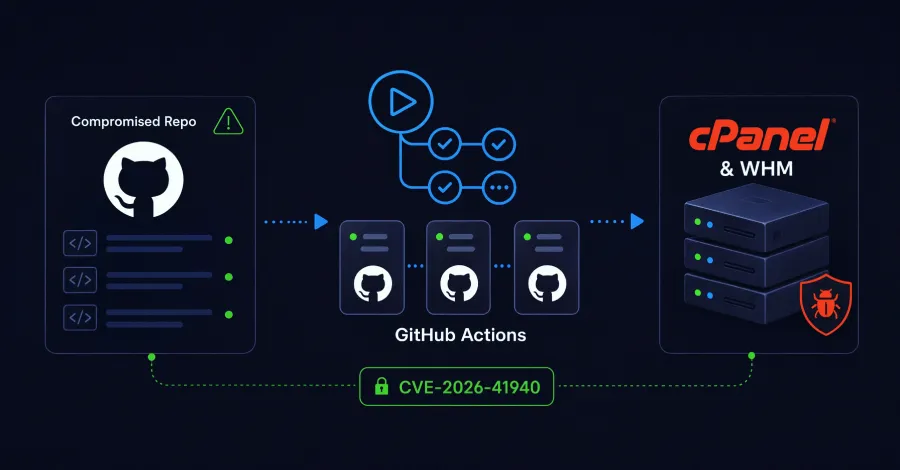
The rise of artificial intelligence (AI) has transformed many sectors, including cybersecurity, where it is now weaponized by attackers to exploit vulnerabilities in software systems. One area of concern is the exploitation of GitHub Actions runners to target cPanel and WHM (WebHost Manager) servers. These tools, which are integral for managing hosting environments, can fall prey to sophisticated attacks if not properly secured. As organizations increasingly rely on these platforms, understanding the potential threats and implementing robust security measures has never been more crucial.
In this article, we will delve into how attackers are leveraging AI and GitHub Actions to compromise cPanel and WHM servers. We will also outline essential steps you can take to safeguard your infrastructure, ensuring that your organization remains resilient against evolving cyber threats.
Understanding the Threat Landscape
GitHub Actions is a continuous integration and continuous deployment (CI/CD) platform that automates software workflows. However, its automation capabilities can also be exploited by malicious actors. Attackers can utilize compromised GitHub Actions runners to execute arbitrary code, potentially leading to unauthorized access to cPanel and WHM servers.
cPanel and WHM are widely used for web hosting management, allowing users to manage multiple websites, databases, and email accounts from a single interface. The popularity of these tools makes them attractive targets for cybercriminals. The integration of AI into these attacks enhances their effectiveness. AI algorithms can identify vulnerabilities faster than traditional methods and can even generate code that exploits these vulnerabilities.
- Weak authentication mechanisms
- Outdated software versions
- Misconfigured servers
- Inadequate monitoring and logging

Why AI is a Game Changer for Cyber Attacks
The use of AI in cyberattacks marks a significant shift in the tactics employed by cybercriminals. Traditional threats often relied on manual methods or rudimentary scripts. In contrast, AI enables attackers to automate these processes, making them more efficient and effective.
For example, AI can analyze vast amounts of data to identify patterns that reveal vulnerabilities in software. This capability allows attackers to create more targeted and sophisticated exploits. As a result, organizations face a heightened risk of breaches, especially if their defenses are not updated to counter these new tactics.
Five Steps to Secure Your cPanel and WHM Servers
Given the evolving threat landscape, it is essential for organizations to take a proactive stance on cybersecurity. Here are five critical steps to enhance the security of your cPanel and WHM servers:
1. Implement Strong Authentication Practices
Ensure that strong authentication mechanisms are in place. This includes using complex passwords and enabling two-factor authentication (2FA) for all user accounts. Regularly review and update access credentials to minimize the risk of unauthorized access.
2. Keep Software Up to Date
One of the primary ways attackers exploit systems is through outdated software. Regularly update your cPanel, WHM, and any other associated software to patch known vulnerabilities. Automated updates can help, but manual checks should also be a part of your routine.
3. Configure Your Servers Securely
Misconfigurations are a common entry point for attackers. Review your server settings to ensure they comply with best security practices. This includes disabling unnecessary services, restricting access to sensitive areas, and ensuring that firewalls are properly configured.
4. Enhance Monitoring and Logging
Effective monitoring and logging are crucial for detecting and responding to potential threats. Implement tools that provide real-time monitoring of server activity and alerts for suspicious behavior. Regularly review logs to identify anomalies that could indicate a security breach.
5. Educate Your Team
Human error remains one of the biggest vulnerabilities in cybersecurity. Provide regular training for your team on security best practices and how to recognize potential threats. An informed team is your first line of defense against cyberattacks.

Key Takeaways
- AI is being weaponized by attackers to exploit vulnerabilities in software.
- cPanel and WHM servers are particularly attractive targets due to their widespread use.
- Implementing strong authentication practices and keeping software up to date are essential defenses.
- Regular monitoring and team education can significantly enhance security posture.
- Proactive cybersecurity measures are critical in the fight against evolving threats.

Frequently Asked Questions
What are GitHub Actions, and how can they be exploited?
GitHub Actions is a feature of GitHub that allows developers to automate workflows for building, testing, and deploying code. Attackers can exploit GitHub Actions runners by injecting malicious code that executes on the server, allowing unauthorized access to system resources. This can lead to data breaches and significant security incidents if not properly managed.
How can AI enhance the effectiveness of cyberattacks?
AI enhances cyberattacks by automating the identification of vulnerabilities and the generation of exploits. It can analyze data patterns quickly, allowing attackers to create sophisticated attacks tailored to specific systems. This adaptability makes it challenging for traditional security measures to keep pace, necessitating a reevaluation of existing cybersecurity strategies.
What steps should organizations take to prepare for AI-driven threats?
Organizations should adopt a comprehensive cybersecurity strategy that includes regular software updates, strong authentication practices, and enhanced monitoring. Additionally, investing in employee training and awareness programs can help reduce the risk of human error, which is often exploited by cybercriminals.
Is it necessary to have dedicated security professionals for managing cPanel and WHM servers?
While not mandatory, having dedicated security professionals can significantly enhance the security of cPanel and WHM servers. These experts can implement best practices, conduct regular security audits, and respond to incidents effectively. For organizations with limited resources, it may be beneficial to partner with managed security service providers (MSSPs) for ongoing support.
Comments
Iran-Linked Hackers Targeting U.S. Water and Energy Infrastructure: A Growing Threat
The U.S. government warns of Iranian state-backed hackers targeting critical infrastructure, including water and energy providers. This article explores the implications of these cyber threats and how organizations can bolster their defenses.

Related articles




Popular in Cybersecurity
- Federal Mandate for Autonomous Vehicles: A Call for Safety Compliance
- EU Mandates Google to Share Data and Open AI on Android: What It Means
- GitHub Revamps Bug Bounty Program: Implications for Developers and Security
- Australian Government Disables Thousands of Functional Broadband Routers: A Wasteful Decision
- Exploiting Redis: Understanding Zero-Day Vulnerabilities and Their Mitigation