Google's New Selfie Video Recovery: Enhancing Account Security
Google's innovative selfie video recovery feature addresses user account lockouts, providing a new layer of security. This article explores its functionality and offers steps to bolster cybersecurity.
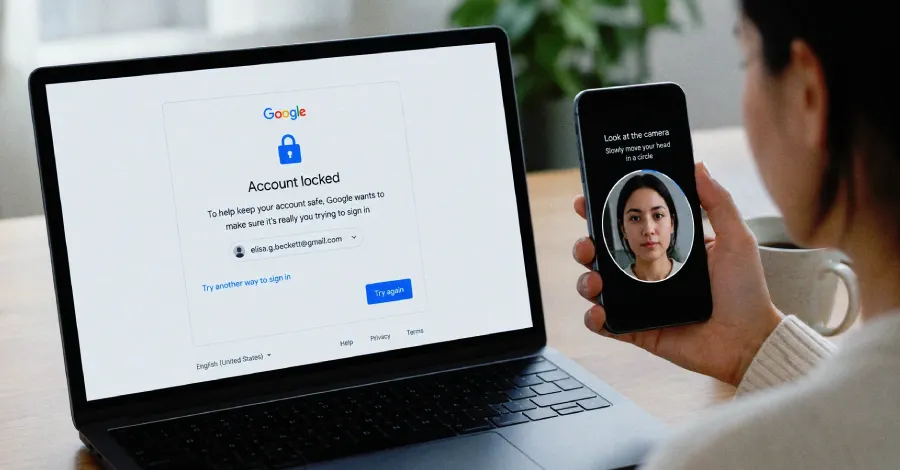
In an age where digital identity theft and account lockouts are rampant, tech giants like Google are continuously innovating to enhance security measures for users. Recently, Google announced a groundbreaking feature: selfie video recovery, designed to assist users who find themselves locked out of their accounts. This new method leverages advanced facial recognition technology, allowing users to regain access with a simple video selfie, thus simplifying the recovery process while reinforcing security protocols.
This introduction of selfie video recovery isn't just a nifty convenience; it's a response to the growing concerns regarding cybersecurity. As we navigate through increasingly complex digital landscapes, understanding how to safeguard our accounts is essential. In this article, we will delve into how this feature works, its implications for account security, and outline practical steps organizations can take to protect against software vulnerabilities identified through AI models.
Understanding Google's Selfie Video Recovery Feature
The selfie video recovery feature is part of Google's broader commitment to user security. When users are locked out of their Google accounts—perhaps due to forgotten passwords or unauthorized access attempts—they can now use this innovative recovery method. By recording a short video selfie while following specific prompts, users can verify their identity through facial recognition technology.
How It Works
The process is designed to be user-friendly and secure:
- Initiate Recovery: Users start the recovery process on the Google sign-in page.
- Video Prompt: Users are prompted to record a video selfie to confirm their identity.
- Facial Recognition: Google’s AI analyzes the video to match it with the user’s stored facial data.
- Account Access: Upon successful verification, users regain access to their accounts.
This method not only streamlines the recovery process but also adds a layer of security, as it requires more than just a password to regain access. With the rise of phishing attacks and password breaches, this feature could significantly reduce the number of users who fall victim to account lockouts.

The Importance of Cybersecurity in Today's Digital World
As businesses and individuals increasingly rely on digital platforms, the risk of cyber threats continues to escalate. According to Cybersecurity Ventures, global cybercrime damages are predicted to reach $10.5 trillion annually by 2025. This staggering figure underscores the importance of robust cybersecurity measures.
Organizations must recognize that traditional security measures, such as passwords alone, are no longer sufficient. With AI models discovering new vulnerabilities at an unprecedented rate, it is crucial for businesses to adopt comprehensive security strategies that protect against these evolving threats.
Steps to Safeguard Your Organization
Here are five essential steps that organizations can implement to mitigate risks associated with software vulnerabilities:
- Implement Multi-Factor Authentication (MFA): Encourage the use of MFA across all user accounts to add an extra layer of security.
- Regular Software Updates: Ensure that all software and applications are regularly updated to patch known vulnerabilities.
- Conduct Security Audits: Regularly assess your organization’s security posture through audits and vulnerability assessments.
- Educate Employees: Provide training for employees on recognizing phishing attempts and other common cyber threats.
- Utilize AI for Threat Detection: Leverage AI technologies to identify and respond to threats in real-time.
By incorporating these practices, organizations can create a more resilient security framework that adapts to the constantly changing threat landscape.

Legal and Market Context of Cybersecurity Innovations
The introduction of features like Google's selfie video recovery also reflects broader trends within the cybersecurity market. With increasing regulations around data protection, such as GDPR and CCPA, companies are under pressure to ensure user data is secure. This regulatory environment has driven innovation in security measures, compelling companies to adopt advanced technologies that enhance user trust.
Additionally, as consumers become more aware of their digital rights, they expect companies to take proactive steps to protect their information. This expectation has made cybersecurity a critical component of any business strategy, influencing purchasing decisions and brand loyalty.
Key Takeaways
- Google's selfie video recovery feature provides a new method for users to regain account access securely.
- Cybersecurity threats are growing, with projected damages reaching $10.5 trillion by 2025.
- Organizations should adopt multi-factor authentication and regular software updates to enhance security.
- Training employees to recognize cyber threats is essential for protecting organizational assets.
- Innovation in cybersecurity is driven by regulatory pressures and consumer expectations for data protection.
Frequently Asked Questions
What should I do if I can't access my Google account?
If you find yourself locked out of your Google account, start the recovery process by visiting the Google sign-in page. Follow the prompts for account recovery, and if you have the selfie video recovery option enabled, record your video selfie to verify your identity. If you're still unable to access your account, Google provides additional options for recovery, including security questions or recovery email verification.
How can businesses improve their cybersecurity posture?
Businesses can improve their cybersecurity posture by adopting a multi-layered approach that includes implementing multi-factor authentication, conducting regular security audits, and providing employee training on cybersecurity best practices. Additionally, leveraging AI technologies for threat detection can significantly enhance an organization's ability to respond to emerging threats.
What are the risks of using only passwords for security?
Relying solely on passwords for security exposes users to significant risks, including password theft through phishing attacks or data breaches. Passwords can be easily compromised, and if a user's password is leaked, their account can be accessed without any additional verification. Implementing multi-factor authentication significantly mitigates this risk by requiring something the user knows (like a password) and something they have (such as a mobile device).
Comments
Iran-Linked Hackers Targeting U.S. Water and Energy Infrastructure: A Growing Threat
The U.S. government warns of Iranian state-backed hackers targeting critical infrastructure, including water and energy providers. This article explores the implications of these cyber threats and how organizations can bolster their defenses.

Related articles



Popular in Cybersecurity
- Federal Mandate for Autonomous Vehicles: A Call for Safety Compliance
- EU Mandates Google to Share Data and Open AI on Android: What It Means
- GitHub Revamps Bug Bounty Program: Implications for Developers and Security
- Australian Government Disables Thousands of Functional Broadband Routers: A Wasteful Decision
- Exploiting Redis: Understanding Zero-Day Vulnerabilities and Their Mitigation