Strengthening Cybersecurity: Addressing SmartConsole Vulnerabilities and AI Solutions
Recent vulnerabilities in Check Point's SmartConsole underscore the need for robust cybersecurity measures. Explore how AI can enhance security and discover actionable steps for organizations.
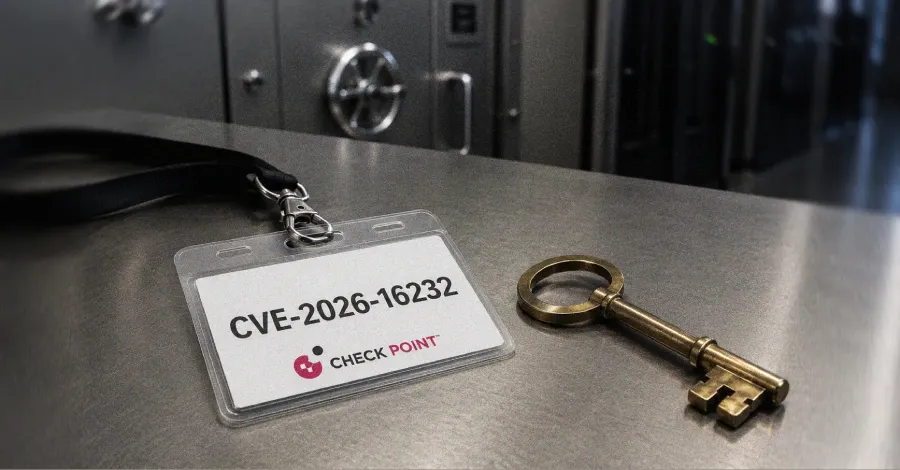
In a landscape increasingly dominated by digital interactions, cybersecurity remains a paramount concern for organizations across sectors. Recently, Check Point Software Technologies revealed critical vulnerabilities in its SmartConsole, a widely used management interface for its security solutions. These flaws allowed potential attackers to gain full administrative access, raising significant alarms within the cybersecurity community. With such vulnerabilities emerging, organizations must prioritize robust security measures, and leveraging artificial intelligence (AI) can be a game-changer in this endeavor.
The implications of these vulnerabilities are profound. Cybercriminals operate with increasing sophistication, often exploiting seemingly minor software flaws to gain unauthorized access to sensitive systems. The Check Point incident serves as a stark reminder of the vulnerabilities that can exist even in trusted platforms. As organizations strive to protect their digital assets, understanding how to mitigate these risks is essential.
Understanding the SmartConsole Vulnerability
Check Point's SmartConsole is an integral component of its security architecture, providing administrators with a centralized interface to manage security policies and monitor network activity. However, the recent discovery of vulnerabilities has spotlighted the potential for exploitation:
- Full Admin Access: The identified flaws can allow attackers to gain full administrative privileges, enabling them to manipulate security settings, view sensitive data, and even launch further attacks.
- Widespread Impact: Given the widespread adoption of SmartConsole, a significant number of organizations could be at risk, potentially affecting thousands of users.
- Rapid Exploitation: Cybercriminals are known for swiftly exploiting newly discovered vulnerabilities, making immediate patching essential.

The Role of AI in Cybersecurity
Artificial intelligence is transforming the cybersecurity landscape by providing advanced tools for threat detection and mitigation. By utilizing machine learning algorithms, organizations can enhance their security posture in several ways:
Proactive Threat Detection
AI-driven solutions can analyze vast amounts of data to identify patterns indicative of potential threats. This proactive approach allows organizations to detect and respond to vulnerabilities before they can be exploited.
Automated Response Mechanisms
In the event of a detected threat, AI can automate response protocols, significantly reducing the time it takes to mitigate risks. For instance, if a vulnerability is detected within SmartConsole, an AI system can automatically apply patches or isolate affected systems.
Continuous Learning
AI tools continuously learn from new data, adapting to evolving threats. This means that as new vulnerabilities emerge, AI systems can adjust their algorithms to provide updated protection.

5 Steps to Secure Against Software Vulnerabilities
To effectively safeguard against vulnerabilities like those found in SmartConsole, organizations can implement the following five steps:
- 1. Regular Software Updates: Ensure that all software, including security solutions like SmartConsole, is kept up to date with the latest patches. Regular updates can close existing vulnerabilities before they can be exploited.
- 2. Employee Training: Conduct regular training sessions for employees on recognizing phishing attempts and other cyber threats. Human error is often the weakest link in cybersecurity.
- 3. Implement Multi-Factor Authentication (MFA): Utilize MFA to add an additional layer of security beyond just passwords, making it more difficult for attackers to gain unauthorized access.
- 4. Network Segmentation: Segment networks to limit the potential impact of a breach. If an attacker gains access to one segment, they cannot easily spread throughout the entire network.
- 5. Utilize AI Tools: Invest in AI-driven cybersecurity solutions that can provide advanced threat detection and automated responses to vulnerabilities.

Key Takeaways
- Check Point's SmartConsole has critical vulnerabilities that can allow full administrative access to attackers.
- AI is a powerful tool in enhancing cybersecurity, providing proactive threat detection and automated responses.
- Implementing regular updates, employee training, and multi-factor authentication can significantly reduce vulnerabilities.
- Investing in AI-driven solutions can help organizations stay ahead of emerging cybersecurity threats.
Frequently Asked Questions
What are the primary risks associated with the SmartConsole vulnerabilities?
The primary risk associated with the SmartConsole vulnerabilities is the potential for unauthorized users to gain full administrative access to an organization's security infrastructure. This can lead to data breaches, manipulation of security settings, and further exploitation of the organization’s network, resulting in significant financial and reputational damage.
How can AI improve my organization’s cybersecurity posture?
AI can enhance cybersecurity by providing advanced threat detection capabilities, automating responses to incidents, and adapting to new threats through continuous learning. By analyzing large datasets, AI systems can identify patterns that signal potential vulnerabilities, allowing organizations to respond proactively rather than reactively to cyber threats.
What should organizations do immediately following the discovery of a vulnerability?
Upon discovering a vulnerability, organizations should prioritize patching the affected systems to close the security gap. Additionally, they should conduct a thorough assessment of their network to determine if they have been compromised. Communication with stakeholders about the vulnerability and the measures being taken to address it is also critical to maintaining trust.
Comments
Iran-Linked Hackers Targeting U.S. Water and Energy Infrastructure: A Growing Threat
The U.S. government warns of Iranian state-backed hackers targeting critical infrastructure, including water and energy providers. This article explores the implications of these cyber threats and how organizations can bolster their defenses.

Related articles




Popular in Cybersecurity
- Federal Mandate for Autonomous Vehicles: A Call for Safety Compliance
- EU Mandates Google to Share Data and Open AI on Android: What It Means
- GitHub Revamps Bug Bounty Program: Implications for Developers and Security
- Australian Government Disables Thousands of Functional Broadband Routers: A Wasteful Decision
- Exploiting Redis: Understanding Zero-Day Vulnerabilities and Their Mitigation