Addressing the RefluXFS Linux Flaw: Security Implications and Solutions
A recently discovered vulnerability in the RefluXFS file system puts default RHEL installations at risk. Learn about the flaw, its implications, and how to secure your systems.
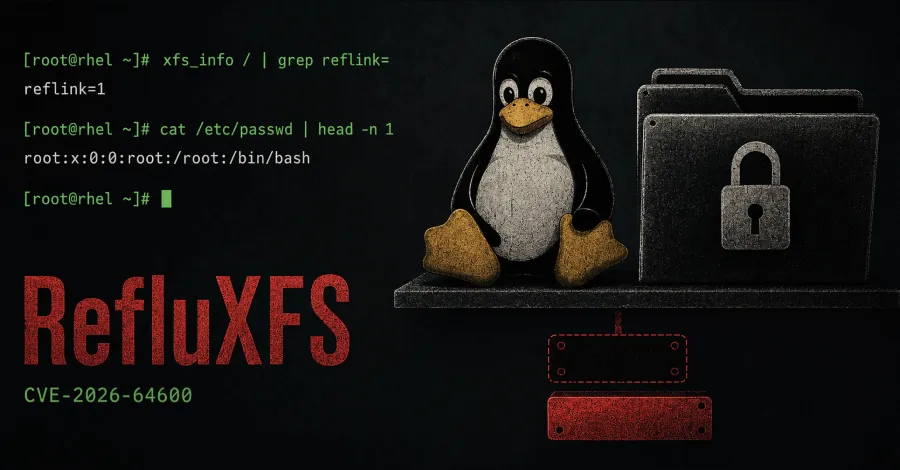
In a world increasingly dependent on Linux operating systems for both server and desktop environments, the discovery of a vulnerability in the RefluXFS file system has sent ripples through the cybersecurity landscape. This flaw, which has existed for nearly nine years, presents a significant risk to users of default Red Hat Enterprise Linux (RHEL) installations, allowing local users to gain root access. Given the critical nature of such a vulnerability, it’s imperative for organizations to understand its implications, the potential for exploitation, and the proactive steps necessary to safeguard their systems.
Understanding the ramifications of the RefluXFS flaw requires a brief overview of its context. The RefluXFS file system, a lesser-known but integral part of Linux distributions, has been used in various enterprise environments where RHEL is the predominant choice for server infrastructure. With many organizations relying on RHEL for their operations, the vulnerability raises questions not only about the security of their systems but also about the effectiveness of vulnerability management practices in place.
Understanding the RefluXFS Vulnerability
The RefluXFS vulnerability allows local users to escalate privileges, effectively granting them root access on systems running default configurations of RHEL. This is particularly concerning because root access can lead to unauthorized control over systems, giving malicious actors the ability to manipulate data, install malware, or disrupt services.
Technical Details of the Flaw
At its core, the RefluXFS vulnerability stems from a flaw in how the file system handles permissions and user controls. When a local user exploits this vulnerability, they can bypass standard security measures designed to protect system integrity. This can occur in environments where user privileges are not adequately restricted, which is often the case in default installations.
Given that the vulnerability has existed for nearly a decade without detection, it raises critical questions about the practices of vulnerability assessment and the importance of regular system audits. Organizations must consider the implications of such a long-term flaw and ensure that their security measures are proactive rather than reactive.

Implications for Businesses Using RHEL
The implications of the RefluXFS flaw extend beyond technical concerns; they represent a broader challenge for businesses reliant on RHEL. Organizations that have not updated their systems to mitigate this vulnerability are at serious risk of data breaches and operational disruptions. The potential for unauthorized access can lead to severe reputational damage and financial losses.
Who Is Affected?
Any organization using default installations of RHEL is affected, including:
- Small to medium-sized enterprises (SMEs) that rely on open-source solutions.
- Large corporations with extensive IT infrastructures based on RHEL.
- Government and educational institutions utilizing RHEL for their server needs.
For these entities, the consequences of falling victim to exploitation could be catastrophic, ranging from loss of sensitive data to regulatory penalties for failing to protect information adequately.

Steps to Mitigate Risks
In light of the RefluXFS vulnerability, organizations must take immediate action to secure their systems. Here are five essential steps to mitigate risks associated with this and similar vulnerabilities:
- Update Systems Regularly: Ensure that all systems are running the latest versions of software that include security patches.
- Conduct Regular Audits: Implement procedures for regular vulnerability assessments and audits to identify potential security gaps.
- Restrict User Privileges: Limit local user permissions to essential operations only, reducing the impact of any potential exploitation.
- Utilize Security Tools: Leverage advanced security tools and AI-based models to identify and respond to potential threats proactively.
- Implement Security Protocols: Establish and enforce strong security protocols, including multi-factor authentication and strict access controls.
By taking these steps, organizations can bolster their defenses against the RefluXFS flaw and similar vulnerabilities that may arise in the future. Proactive security measures can significantly reduce the risk of exploitation, ensuring the integrity and reliability of their systems.

Key Takeaways
- The RefluXFS flaw allows local users to gain root access on default RHEL installations.
- This vulnerability has existed for nearly nine years without detection, raising concerns about security practices.
- Organizations using RHEL must take immediate steps to mitigate risks, including updating systems and restricting user privileges.
- Implementing advanced security tools can help proactively identify and address vulnerabilities.
Frequently Asked Questions
What is the RefluXFS vulnerability?
The RefluXFS vulnerability is a security flaw in the RefluXFS file system that allows local users to escalate privileges to root level on default installations of Red Hat Enterprise Linux (RHEL). This flaw can lead to unauthorized access and manipulation of system data, posing a significant risk to organizations that rely on RHEL.
Who needs to be concerned about this vulnerability?
Any organization using default RHEL installations should be concerned about the RefluXFS vulnerability. This includes small businesses, large enterprises, and government agencies that utilize RHEL for their operations. The potential for exploitation can lead to severe consequences, including data breaches and operational disruptions.
What steps can organizations take to secure their systems?
Organizations can secure their systems against the RefluXFS vulnerability by regularly updating software, conducting audits, restricting user privileges, utilizing advanced security tools, and implementing strong security protocols. These steps can help mitigate risks and protect against potential exploitation.
How can AI enhance cybersecurity measures?
AI can enhance cybersecurity measures by providing advanced threat detection capabilities, analyzing patterns of behavior to identify anomalies, and automating responses to potential threats. By leveraging AI, organizations can strengthen their security posture and respond more swiftly to emerging vulnerabilities, such as the RefluXFS flaw.
Comments
Iran-Linked Hackers Targeting U.S. Water and Energy Infrastructure: A Growing Threat
The U.S. government warns of Iranian state-backed hackers targeting critical infrastructure, including water and energy providers. This article explores the implications of these cyber threats and how organizations can bolster their defenses.

Related articles





Popular in Cybersecurity
- Federal Mandate for Autonomous Vehicles: A Call for Safety Compliance
- EU Mandates Google to Share Data and Open AI on Android: What It Means
- GitHub Revamps Bug Bounty Program: Implications for Developers and Security
- Australian Government Disables Thousands of Functional Broadband Routers: A Wasteful Decision
- Exploiting Redis: Understanding Zero-Day Vulnerabilities and Their Mitigation