Uber's $1 Billion Fine: The Implications of Automated Driver Suspensions
Uber is facing a staggering fine of nearly $1 billion due to automated suspensions of driver accounts. This article delves into the implications of this decision for gig economy workers, regulations, and the future of automated systems in the workplace.
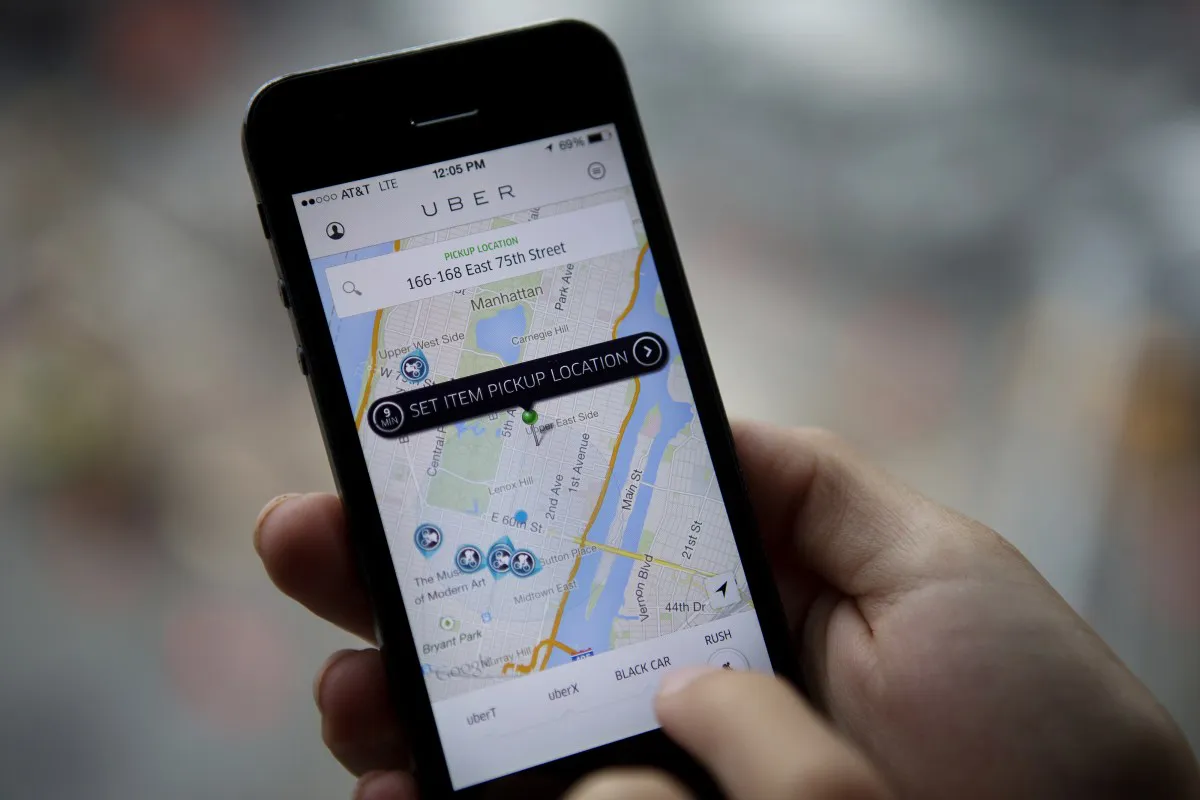
In a landmark decision that could reshape the landscape of the gig economy, Uber is facing a hefty fine of approximately €825 million (around $966 million) imposed by the Dutch Data Protection Authority. This penalty, the second-largest under the European Union's General Data Protection Regulation (GDPR), stems from complaints regarding the company's automated processes for suspending driver accounts. The implications of this ruling extend beyond Uber itself, raising critical questions about accountability, the role of automation in decision-making, and the rights of gig workers.
The Dutch regulator's investigation revealed that Uber had deactivated driver accounts using automated systems without adequate warning or human intervention, a practice deemed a serious infringement of privacy rights. Monique Verdier, deputy chair of the regulatory body, stated emphatically, "A computer should not make decisions on its own that have [such] major consequences." In response, Uber has expressed its intent to appeal the decision, claiming that the majority of suspensions are temporary and that no account is permanently deactivated without human review.
The Rise of Automation in Gig Work
The use of automation in managing gig workers is not a novel concept. Companies like Uber have leveraged algorithms to efficiently allocate rides, track performance, and manage driver behavior. This reliance on technology has led to significant efficiency gains but has also sparked debates about the ethical implications of such systems.
The Role of Algorithms
Uber's algorithms are designed to optimize operations, but they can also lead to unintended consequences for drivers. For instance, a driver could face suspension based on a single complaint, even if they have a history of positive ratings. This raises concerns about fairness and transparency in how decisions are made. Critics argue that algorithms should not be the sole arbiters of a worker’s livelihood, particularly when these systems can be opaque and difficult to challenge.
Human Oversight: A Necessary Component
As the Dutch regulator pointed out, the absence of human oversight in critical decisions can lead to significant injustices. Uber claims that drivers have the ability to appeal suspensions, but the appeal process itself can be shrouded in ambiguity. Critics like Brahim Ben Ali, a former Uber driver who initiated the complaints leading to the fine, argue that the current system lacks the necessary checks and balances to protect drivers’ rights.

Legal and Regulatory Challenges for the Gig Economy
This ruling is not an isolated incident; it represents a broader trend of increasing regulatory scrutiny of gig economy companies. The Dutch authority's decision follows previous fines imposed on Uber for mishandling driver data, totaling €290 million and €10 million for related issues. These regulatory actions highlight the urgent need for gig companies to reassess their practices and implement robust frameworks that prioritize worker rights and data protection.
Class Action Lawsuits in the Pipeline
In light of these developments, there is a growing movement among drivers to seek recourse through legal channels. Paul-Olivier Dehaye, founder of the Swiss nonprofit PersonalData.io, is spearheading efforts to file class action lawsuits on behalf of drivers impacted by Uber's practices. This initiative underscores a significant shift towards collective action among gig workers, who are increasingly willing to challenge the status quo.
The Future of Regulation
As regulators worldwide grapple with the complexities of the gig economy, the Uber case may serve as a precedent for future rulings. The ongoing dialogue around data protection and worker rights is likely to prompt more stringent regulations, shaping the operational landscape for gig companies.

Implications for Uber and the Gig Economy
For Uber, this fine represents more than just a financial burden; it poses an existential threat to its business model, which relies heavily on automation and data analytics. The company’s challenge lies in balancing operational efficiency with the ethical treatment of its drivers.
Financial Ramifications
Facing a nearly $1 billion fine could impact Uber's stock performance and investor confidence. The company's financial health has already been scrutinized in recent years, and such a hefty penalty may deter potential investors who are wary of regulatory risks. As the gig economy continues to grow, Uber must navigate these challenges while maintaining its competitive edge.
Changing the Narrative
To mitigate the fallout from this ruling, Uber may need to adopt a more transparent approach in its operations. This could involve revising its algorithms to incorporate greater human oversight, providing clearer communication about the suspension process, and improving the appeal mechanisms for drivers. By doing so, Uber could not only avoid future penalties but also foster a more positive relationship with its driver community.

Key Takeaways
- Uber faces a fine of €825 million (around $966 million) due to automated driver suspensions.
- This is the second-largest penalty under the EU's GDPR, highlighting regulatory scrutiny of gig economy practices.
- There is a growing movement among drivers for collective action and legal recourse against unfair practices.
- Uber's reliance on automation raises ethical questions about accountability in decision-making.
- The outcome of this case may set a precedent for future regulatory actions in the gig economy.
Frequently Asked Questions
What drove the Dutch Data Protection Authority to impose such a large fine on Uber?
The Dutch Data Protection Authority's decision to impose a fine on Uber was driven by findings that the company deactivated driver accounts through automated systems without appropriate human oversight or warning. The regulator deemed this practice a serious infringement of privacy rights under the GDPR, leading to the substantial financial penalty.
How can Uber appeal the decision, and what are their chances of success?
Uber plans to appeal the decision based on its claim that most driver suspensions are temporary and that no permanent deactivations occur without human review. The success of Uber's appeal will depend on the evidence it presents, demonstrating that its practices align with regulatory standards and that drivers have adequate avenues for challenging suspensions.
What impact could this ruling have on the gig economy as a whole?
This ruling may catalyze a shift in how gig economy companies operate, prompting them to adopt more transparent and fair practices regarding worker management. Increased regulatory scrutiny could lead to more stringent measures being implemented across the industry, improving protections for gig workers and potentially reshaping the future of work.
Comments
TikTok's $400 Million Settlement: A Deep Dive into Child Privacy and Cybersecurity
TikTok's recent $400 million settlement over child privacy violations raises critical questions about data security and the implications for young users. This article explores the settlement's impact and broader cybersecurity concerns.

Related articles







Popular in Cybersecurity
- Federal Mandate for Autonomous Vehicles: A Call for Safety Compliance
- EU Mandates Google to Share Data and Open AI on Android: What It Means
- GitHub Revamps Bug Bounty Program: Implications for Developers and Security
- Australian Government Disables Thousands of Functional Broadband Routers: A Wasteful Decision
- Exploiting Redis: Understanding Zero-Day Vulnerabilities and Their Mitigation