Emerging Threats: How Android Car Malware and Identity Exposure Shape Cybersecurity
The rise of Android car malware and identity exposure unveils new vulnerabilities in cybersecurity. Understanding these threats is crucial for businesses and consumers alike.

The digital landscape is evolving, and with it, the tactics employed by cybercriminals are becoming increasingly sophisticated. Recent developments in Android car malware and the exposure of personal identities highlight the urgent need for robust cybersecurity measures in both consumer and enterprise environments. As vehicles become more interconnected and reliant on technology, vulnerabilities in their software can be exploited for malicious purposes. Additionally, as identity exposure becomes more prevalent, it opens up avenues for cyber attacks that can significantly undermine the security framework of organizations and individuals alike.
In this article, we will delve into the mechanics of Android car malware, its implications for ad fraud and proxy botnets, and how identity exposure can lead to serious security breaches. Understanding these threats is essential for safeguarding not just vehicles but also the sensitive data that can be exploited in various cyber attacks.
Understanding Android Car Malware
Android car malware represents a significant threat to modern vehicles equipped with Android operating systems. This type of malware can infiltrate a vehicle's software through built-in update mechanisms, which are often seen as a necessary security feature. However, these updates can also become the gateway for cybercriminals looking to deploy malware for various malicious purposes, including ad fraud and establishing proxy botnets.
The Mechanics of Infection
The infection typically occurs when a vehicle's system downloads and installs a compromised update. Once the malware is implanted, it can perform a range of nefarious activities. For instance, it may redirect ads to generate revenue for the attacker through ad fraud schemes, or it may turn the vehicle into a proxy for a botnet, allowing cybercriminals to execute distributed denial-of-service (DDoS) attacks or engage in other illicit activities without being traced back to the original source.
Impact on Businesses and Consumers
For businesses, the implications of such malware are profound. Companies that produce or rely on connected vehicles face potential reputational damage and financial loss if their systems are compromised. Consumers, on the other hand, risk losing personal data and facing financial fraud if their vehicles are targeted. As vehicles increasingly become hubs of personal information and connectivity, cybersecurity must be prioritized in the automotive sector.

The Rise of Identity Exposure
Alongside the rise of malware threats, the exposure of personal identities has become a critical concern in cybersecurity. Identity exposure occurs when sensitive personal information is disclosed, either through data breaches or social engineering attacks. Once an individual's identity is compromised, it can lead to a cascade of security issues, including financial fraud, account takeovers, and further phishing attacks.
Linking Identity Exposure to Cyber Attacks
Cybercriminals often utilize identity exposure as a stepping stone to launch more sophisticated attacks. For example, once they have accessed an individual's personal details, they can map cross-domain privilege escalation routes. This technique allows them to navigate through different accounts or systems, potentially severing breach routes at key choke points, making it easier for them to execute their malicious plans.
Real-World Implications
Real stories abound regarding how identity exposure has unlocked active attack paths for cybercriminals. For instance, an attacker may gain access to a user’s email account and use the information obtained to reset passwords for other accounts linked to that email. This domino effect can lead to significant breaches, affecting both personal and corporate data. Such scenarios underscore the need for stringent data protection measures and user education on the importance of safeguarding personal information.

Proactive Measures for Protection
To combat the threats posed by Android car malware and identity exposure, businesses and consumers must adopt proactive cybersecurity measures. These can include:
- Regular Software Updates: Keeping all vehicle software up to date with legitimate updates is crucial to protect against vulnerabilities.
- Multi-Factor Authentication: Implementing multi-factor authentication can significantly reduce the risk of unauthorized access to accounts.
- Data Encryption: Encrypting personal data can protect sensitive information from being easily accessed by cybercriminals.
- User Education: Educating users on the dangers of phishing and social engineering attacks can empower them to recognize and avoid potential threats.
- Robust Security Protocols: Businesses should implement comprehensive security protocols to protect customer data and maintain consumer trust.

Key Takeaways
- Android car malware targets vehicles through built-in software updates, enabling ad fraud and botnet activities.
- Identity exposure can lead to significant security breaches and financial fraud for individuals and businesses.
- Proactive cybersecurity measures, including software updates and user education, are essential for protection.
- Mapping attack paths can help in understanding and mitigating the risks associated with identity exposure.
Frequently Asked Questions
What is Android car malware, and how does it work?
Android car malware refers to malicious software designed to infiltrate vehicles running on the Android operating system. It typically spreads through compromised software updates, allowing attackers to execute various forms of ad fraud or turn the vehicle into a proxy for botnet activities. This malware can significantly impact both the automotive industry and consumers by compromising vehicle data and personal information.
How does identity exposure affect cybersecurity?
Identity exposure occurs when sensitive personal information is disclosed, often through data breaches or social engineering. This exposure enables cybercriminals to map attack paths and exploit various accounts linked to the compromised identity. The consequences can include financial loss, unauthorized access to sensitive information, and further attacks targeting the victim's contacts or devices.
What steps can individuals take to protect their identities?
Individuals can take several steps to protect their identities, including using strong, unique passwords for different accounts, enabling multi-factor authentication, and being cautious about sharing personal information online. Regularly monitoring bank statements and credit reports can also help identify any unauthorized activities early on.
Why is cybersecurity important for businesses?
Cybersecurity is crucial for businesses to protect sensitive data, maintain consumer trust, and ensure compliance with regulations. A single data breach can lead to significant financial losses, reputational damage, and legal consequences. Investing in robust cybersecurity measures not only safeguards company assets but also builds customer confidence in the organization's ability to protect their information.
Comments
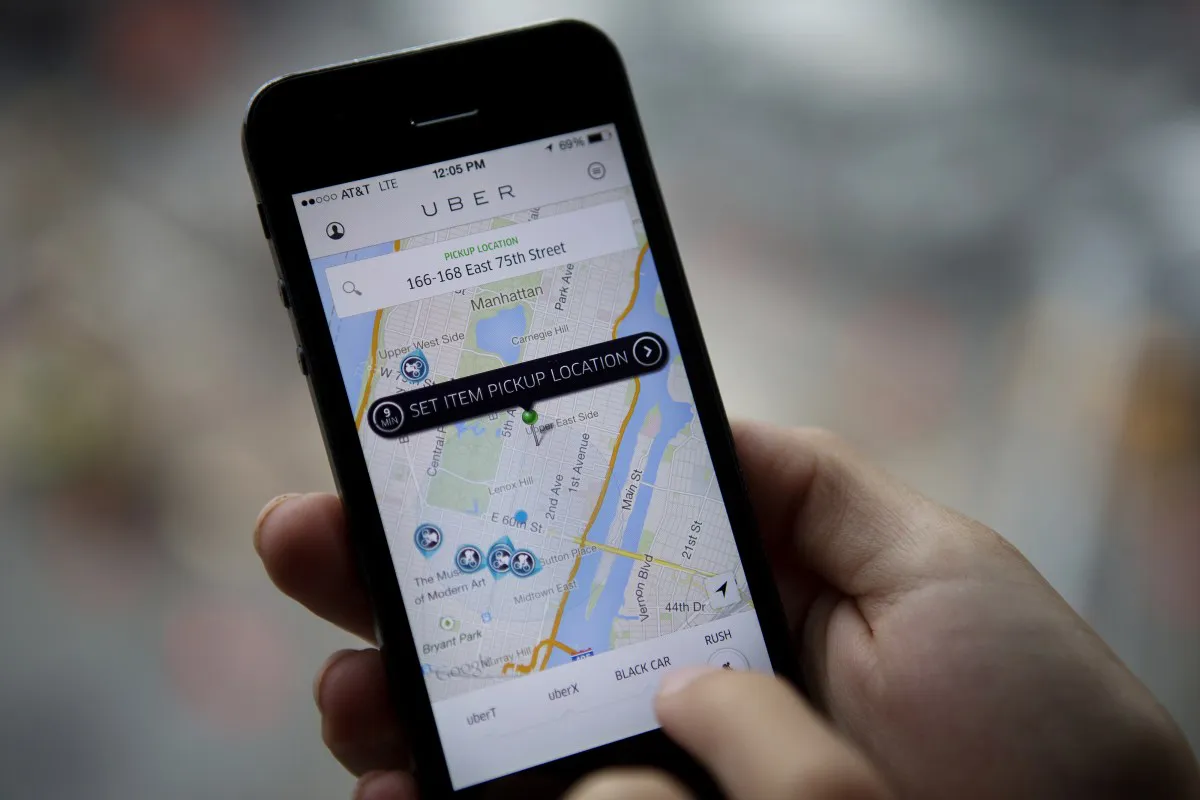
Uber's $1 Billion Fine: The Implications of Automated Driver Suspensions
Uber is facing a staggering fine of nearly $1 billion due to automated suspensions of driver accounts. This article delves into the implications of this decision for gig economy workers, regulations, and the future of automated systems in the workplace.
Related articles






Popular in Cybersecurity
- Federal Mandate for Autonomous Vehicles: A Call for Safety Compliance
- EU Mandates Google to Share Data and Open AI on Android: What It Means
- GitHub Revamps Bug Bounty Program: Implications for Developers and Security
- Australian Government Disables Thousands of Functional Broadband Routers: A Wasteful Decision
- Exploiting Redis: Understanding Zero-Day Vulnerabilities and Their Mitigation