Microsoft Defender Vulnerability: A New Threat to Cybersecurity
Recent findings reveal that a Microsoft Defender vulnerability can be exploited to disable essential security software at system boot. This poses significant risks for businesses relying on Microsoft solutions for cybersecurity.
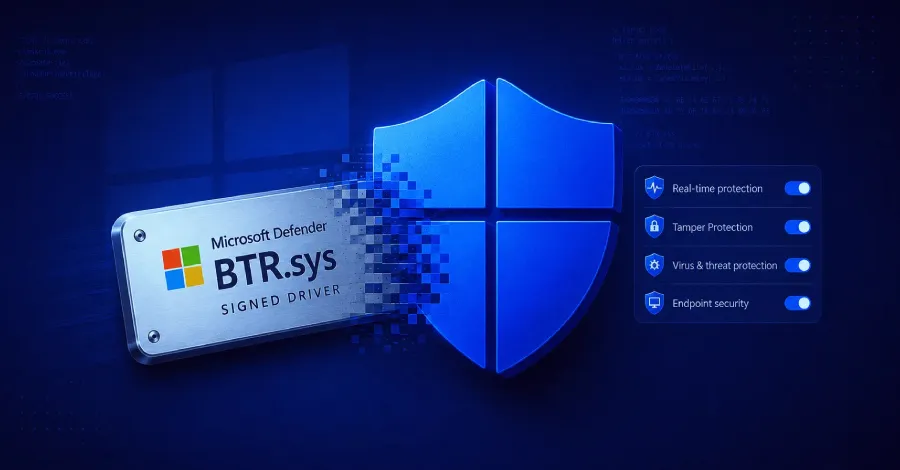
In an era where cyber threats are becoming increasingly sophisticated, recent findings about a vulnerability in Microsoft Defender have raised alarms among cybersecurity experts. This flaw allows malicious actors to weaponize the very software designed to protect users, potentially leading to catastrophic breaches. As businesses continue to rely on Microsoft solutions for their cybersecurity needs, understanding the implications of this vulnerability is crucial for safeguarding sensitive information.
Microsoft Defender, a cornerstone of many businesses' security frameworks, is now under scrutiny as researchers have uncovered a way to exploit its own driver to disable security measures upon system boot. This capability not only exposes businesses to significant risks but also highlights the broader challenges of maintaining robust cybersecurity in an ever-evolving digital landscape.
Understanding the Vulnerability
The vulnerability stems from a design flaw within the Microsoft Defender driver, which can be manipulated to disable security features at the moment a system starts up. This means that attackers could potentially gain control over a system before security protocols have a chance to engage. The implications of this are dire: once the protective measures of Defender are disabled, attackers can operate with greater freedom, paving the way for further malicious activities.
Key elements of this vulnerability include:
- Driver Manipulation: Attackers can exploit the driver to prevent security software from loading.
- Boot-Time Attack: The flaw allows for operations at a critical time when security measures are typically most vulnerable.
- Privilege Escalation: Once the security software is disabled, attackers can execute further malicious actions without being detected.

The Broader Impact on Cybersecurity
This vulnerability is a stark reminder of the challenges faced by organizations in securing their digital assets. As businesses increasingly adopt cloud-based solutions and integrate multiple security tools, the risk of vulnerabilities like this one becomes more pronounced. When a trusted security solution can be weaponized against its users, it raises critical questions about the reliability of existing cybersecurity frameworks.
Organizations must recognize that the landscape of cyber threats is constantly shifting. Security tools that were once seen as impenetrable can become liabilities if vulnerabilities are not addressed promptly. The Microsoft Defender vulnerability not only jeopardizes the integrity of the software itself but also the entire ecosystem of security solutions that depend on its functionality.

Mitigating the Risks
To combat the risks associated with this vulnerability, businesses need to adopt a proactive approach to cybersecurity. Here are several strategies that organizations can implement to mitigate the potential impact:
- Regular Software Updates: Ensure that all security software is kept up-to-date to benefit from the latest patches and fixes.
- Layered Security Approach: Employ multiple security tools that complement each other, reducing reliance on a single solution.
- Incident Response Plans: Develop and regularly test incident response plans to prepare for potential breaches.
By taking these steps, organizations can better position themselves to defend against threats like the Microsoft Defender vulnerability.

Conclusion: Staying Ahead of Cyber Threats
The discovery of the vulnerability within Microsoft Defender serves as a critical wake-up call for businesses and cybersecurity professionals. As cyber attackers become more adept at exploiting weaknesses in security software, organizations must remain vigilant and proactive in their cybersecurity efforts. This includes not only addressing known vulnerabilities but also anticipating potential future threats.
By investing in comprehensive security strategies, fostering a culture of cybersecurity awareness, and maintaining up-to-date defenses, businesses can safeguard their digital environments against evolving threats. In a world where cyber risks are omnipresent, staying ahead is not just an option; it is a necessity.
Key Takeaways
- The Microsoft Defender vulnerability can be exploited to disable security measures at boot.
- Organizations must adopt a layered security approach to minimize risks.
- Regular software updates are vital to maintaining cybersecurity integrity.
- Developing incident response plans is crucial for effective risk management.
Frequently Asked Questions
What is the Microsoft Defender vulnerability?
The Microsoft Defender vulnerability refers to a flaw in its driver that can be manipulated by attackers to disable essential security features at system boot. This allows malicious actors to gain control of the system before any security measures are activated.
How can organizations protect themselves from this vulnerability?
Organizations can protect themselves by regularly updating their software, employing a layered security approach with multiple solutions, and developing incident response plans to prepare for potential breaches.
Why is this vulnerability significant for businesses?
This vulnerability is significant because it undermines the trust in security solutions that businesses rely on. If a trusted security product can be weaponized against its users, it raises serious concerns about the effectiveness of cybersecurity measures in place.
Comments
Uber's $1 Billion Fine: The Implications of Automated Driver Suspensions
Uber is facing a staggering fine of nearly $1 billion due to automated suspensions of driver accounts. This article delves into the implications of this decision for gig economy workers, regulations, and the future of automated systems in the workplace.

Related articles







Popular in Cybersecurity
- Federal Mandate for Autonomous Vehicles: A Call for Safety Compliance
- EU Mandates Google to Share Data and Open AI on Android: What It Means
- GitHub Revamps Bug Bounty Program: Implications for Developers and Security
- Australian Government Disables Thousands of Functional Broadband Routers: A Wasteful Decision
- Exploiting Redis: Understanding Zero-Day Vulnerabilities and Their Mitigation