Tesla Faces Major Recall in China Over Safety Concerns
Tesla is recalling nearly 3 million vehicles in China due to safety regulations requiring clearer emergency door instructions and upgraded monitoring systems. This move highlights the increasing scrutiny of vehicle safety in the rapidly evolving electric car market.

In a significant move underscoring the tightening grip of regulatory scrutiny in the electric vehicle market, Tesla is facing a massive recall of nearly 3 million cars in China. The Chinese government has mandated that the automaker address critical safety concerns related to the Model 3 and Model Y vehicles, specifically focusing on the potential dangers posed by electronically controlled door mechanisms in emergency situations.
This recall comes at a time when safety regulations are becoming increasingly stringent in China, particularly as incidents involving electric vehicles (EVs) have raised alarms. With Tesla's reputation on the line, the company must act swiftly to comply with new regulations while ensuring the safety of its customers.
Understanding the Recall: What’s at Stake?
Chinese regulators have identified significant flaws in the emergency accessibility of rear doors in Tesla’s Model 3 and Model Y. In the event of a power loss during a collision, occupants could find themselves trapped, particularly in scenarios where the vehicle may be at risk of catching fire. The new compliance measures will require Tesla to:
- Add warning labels inside the cars to instruct passengers on how to operate the rear doors manually.
- Implement a software update that automatically lowers all windows in the event of an accident, providing an escape route for passengers.
The recall specifically affects 2.98 million vehicles, highlighting the gravity of the situation as manufacturers navigate the complexities of electronically controlled door systems, which have become commonplace in modern vehicles. This decision also reflects a growing trend among regulators worldwide to enforce stricter safety standards in the automotive industry.
Regulatory Landscape: A Shift in China’s Approach
The recall is not isolated; it aligns with a broader movement among Chinese regulators to enhance vehicle safety protocols. New regulations slated to be implemented next year will stipulate precise measurements and designs for door handles in newly approved vehicles, aimed at preventing tragedies where occupants are unable to exit their vehicles during emergencies.
Current models like the Tesla Model 3 and Model Y, however, are somewhat grandfathered in until the end of 2028, allowing them to remain on the road without immediate compliance. Nonetheless, the Chinese government is taking proactive measures to ensure that manufacturers like Tesla do not sidestep responsibility for their existing vehicles.
Technological Enhancements: Driver Monitoring Upgrades
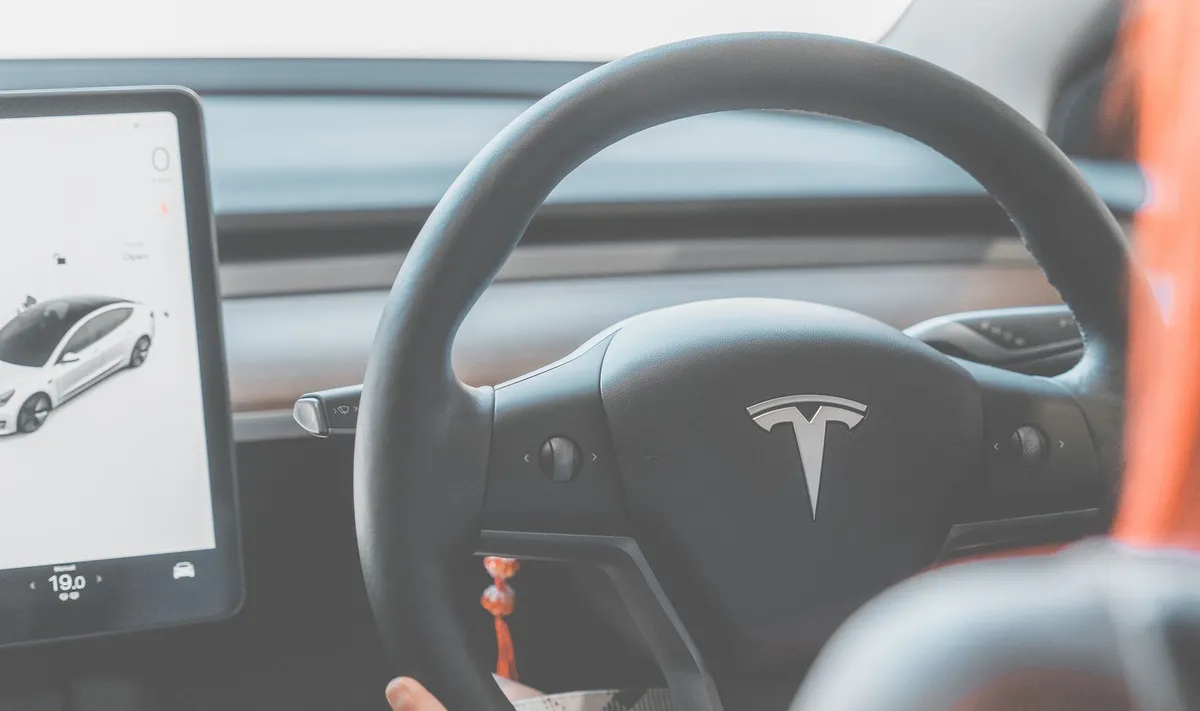
The recall doesn’t end with emergency door accessibility. Tesla is also addressing its driver monitoring system for an additional 2.74 million vehicles. The existing system relies solely on a torque sensor to detect whether the driver is engaged by holding the steering wheel. The impending software update will enhance this monitoring by utilizing the vehicle's interior camera to track the driver’s gaze, ensuring they remain attentive while driving.
Despite these advancements, challenges remain. Reports have surfaced indicating that some Tesla owners have been able to bypass the driver monitoring system by using unconventional methods, such as placing a doll's head in front of the camera. This loophole raises concerns about the effectiveness of current monitoring technologies and highlights the need for innovative solutions to maintain driver engagement.
The Impact on Tesla and Its Customers
For Tesla, these recalls represent a critical moment as the company strives to maintain its market position in a fiercely competitive landscape. The implications for customers are twofold: while safety enhancements will ultimately lead to improved vehicle reliability and user confidence, the recalls also highlight the potential risks associated with the rapid adoption of new technologies without sufficient regulatory oversight.
As consumers increasingly turn to electric vehicles for their environmental benefits, they are also becoming more discerning about safety and reliability. Tesla’s proactive approach in addressing these concerns may bolster its reputation, but it also serves as a reminder of the responsibilities manufacturers have in ensuring the safety of their innovations.
Looking Ahead: What’s Next for Tesla?
As Tesla navigates these recalls, it must not only comply with regulatory demands but also innovate in ways that enhance the overall safety of its vehicles. The automotive landscape is changing rapidly, and the expectations of consumers and regulators are evolving alongside it. The lessons learned from this situation will likely shape Tesla's future strategies in product development and regulatory compliance.
For other manufacturers, this scenario serves as a cautionary tale. The importance of adhering to safety regulations cannot be overstated, especially as electric vehicles continue to grow in popularity. As the market matures, ensuring that vehicles are equipped with the necessary safety features will be paramount in building consumer trust and loyalty.
Key Takeaways
- Tesla is recalling nearly 3 million Model 3 and Model Y vehicles in China due to safety concerns regarding emergency door accessibility.
- The company will implement warning labels and software updates to enhance passenger safety in the event of a collision.
- Chinese regulators are tightening vehicle safety regulations, impacting both current and future automotive designs.
- Improvements in driver monitoring systems are essential for ensuring driver engagement during automated driving tasks.
- The situation underscores the responsibilities of manufacturers to prioritize safety alongside technological innovation.
Frequently Asked Questions
What are the specific safety concerns regarding Tesla's vehicles?
The primary safety concern involves the rear doors of the Model 3 and Model Y, which may not open in the event of a power loss during a collision, potentially trapping occupants. The recall aims to address this by adding warning labels and implementing software updates that will lower windows automatically.
How will the software updates improve driver monitoring?
The updates will enhance Tesla's existing driver monitoring system by utilizing the car's interior camera to track the driver's gaze. This change aims to ensure that drivers remain engaged and attentive while operating the vehicle, moving beyond the previous reliance on torque sensors alone.
What does this mean for Tesla's reputation and future sales?
While the recalls may initially impact Tesla's reputation, the company’s proactive measures to address safety concerns could ultimately strengthen consumer trust. As electric vehicles gain popularity, a strong focus on safety and compliance will be crucial for maintaining market share and ensuring customer loyalty.
How are regulatory bodies evolving in their approach to vehicle safety?
Regulatory agencies, particularly in markets like China, are becoming more stringent in enforcing safety standards. New regulations are being introduced that require specific safety features in vehicles, reflecting a broader commitment to protecting consumers and ensuring the reliability of new automotive technologies.
Comments
Uber's $1 Billion Fine: The Implications of Automated Driver Suspensions
Uber is facing a staggering fine of nearly $1 billion due to automated suspensions of driver accounts. This article delves into the implications of this decision for gig economy workers, regulations, and the future of automated systems in the workplace.
Related articles







Popular in Cybersecurity
- Federal Mandate for Autonomous Vehicles: A Call for Safety Compliance
- EU Mandates Google to Share Data and Open AI on Android: What It Means
- GitHub Revamps Bug Bounty Program: Implications for Developers and Security
- Australian Government Disables Thousands of Functional Broadband Routers: A Wasteful Decision
- Exploiting Redis: Understanding Zero-Day Vulnerabilities and Their Mitigation