The Complexities of Personalized Pricing: FTC's Regulatory Challenge
As the FTC evaluates personalized pricing, critics warn of unintended consequences that may lead to higher costs for consumers. This article explores the implications of these practices and the regulatory landscape.

As consumers increasingly navigate a marketplace driven by sophisticated data analytics, the concept of personalized pricing has emerged as both a boon and a bane. On one side, businesses leverage consumer data to tailor prices, potentially offering discounts to some while charging higher prices to others based on their perceived willingness to pay. On the other hand, this practice raises ethical and regulatory concerns, prompting the Federal Trade Commission (FTC) to consider new policies aimed at curbing what many view as predatory pricing strategies. Critics argue that the FTC's efforts could inadvertently lead to a rise in overall consumer costs, sparking a heated debate about the balance between consumer protection and market competitiveness.
In recent public comments, FTC Chair Andrew Ferguson noted that while personalized pricing is prevalent across various industries, it has become increasingly opaque, leaving consumers in the dark about how their personal data influences pricing decisions. This lack of transparency has prompted the FTC to seek public input on potential regulations that could limit these practices, igniting discussions on consumer rights and the ethics of data usage.

The Nature of Personalized Pricing
Personalized pricing, at its core, involves leveraging customer data—such as shopping habits, demographic information, and even online behavior—to set individual prices that vary from customer to customer. While some industries, like travel and e-commerce, have long engaged in this practice, it is now spreading to sectors like food delivery and retail. The FTC has recognized the potential for these practices to create an uneven playing field, where consumers may end up paying significantly different prices for the same product based on their data profile.
How Personalized Pricing Works
Businesses engaged in personalized pricing typically analyze vast amounts of data to determine the optimal price point for each customer. This can involve:
- **Behavioral Analysis**: Tracking online actions, such as browsing history and time spent on specific pages, to gauge interest and willingness to pay.
- **Demographic Profiling**: Using information such as income level, family size, and geographic location to set prices that align with perceived economic capacity.
- **Competitor Analysis**: Monitoring prices offered by competitors to adjust pricing dynamically based on market conditions.
While these strategies may lead to increased profits for businesses, the FTC has raised concerns about the ethical implications, particularly when it comes to consumer equity.

FTC's Proposed Regulatory Framework
The FTC's proposed regulatory framework aims to tackle the potential pitfalls of personalized pricing by mandating greater transparency from businesses. Chair Ferguson emphasized that while the agency cannot outright ban personalized pricing, it can enforce penalties against practices deemed misleading or deceptive. Key aspects of the proposed framework include:
Mandatory Disclosures
Businesses utilizing personalized pricing would be required to disclose how customer data is used in setting prices. This includes informing consumers if their price is based on factors such as disposable income or past purchasing behavior. The FTC believes that knowledge is power, allowing consumers to make informed decisions and take preventative measures against potential price discrimination.
Consumer Consent
Under the proposed framework, companies would need to obtain explicit consent from consumers before collecting and using their data for pricing purposes. This step would enhance consumer autonomy and could lead to a more equitable pricing landscape.
Protection Against Misleading Practices
The FTC aims to protect consumers from practices that misrepresent pricing. For instance, if a hotel raises prices after learning a customer is traveling for a funeral, this could be considered deceptive. Such practices erode trust in the market, particularly among vulnerable populations.

Concerns from the Public and Industry Experts
The response to the FTC's proposed measures has been mixed. While many consumers advocate for stricter regulations to protect against perceived discrimination and exploitation, some industry experts warn that the FTC's approach may unintentionally harm consumers by eradicating valuable discounts.
Arguments for Stricter Regulations
Public comments on the FTC's proposal reflect a strong sentiment against personalized pricing. Many consumers view it as a form of discrimination that disproportionately affects low-income individuals, seniors, and those with limited digital literacy. Critics argue that:
- **Transparency is Essential**: Consumers should be aware of how their data is used to set prices, allowing them to make more informed purchasing decisions.
- **Protection from Exploitation**: The FTC should ensure that pricing algorithms do not exploit vulnerable demographics based on personal characteristics.
- **Promotion of Fair Markets**: Personalized pricing can undermine fair competition by promoting price discrimination rather than a transparent pricing model.
Arguments Against Overregulation
Conversely, some experts caution against overly stringent regulations, arguing that they could stifle innovation and limit the ability of businesses to offer competitive pricing. Concerns include:
- **Loss of Discounts**: Some consumers benefit from personalized pricing through discounts tailored to their purchasing history, which could be lost if regulations are too restrictive.
- **Market Competitiveness**: Overregulation may hinder small businesses that rely on personalized pricing to compete with larger corporations, ultimately reducing consumer choice.
- **Consumer Awareness**: Many consumers may not fully understand the implications of personalized pricing, suggesting that education and transparency may be more effective than strict bans.

Implications for the Future
The debate surrounding personalized pricing is emblematic of a broader conversation about data privacy and consumer rights in the digital age. As the FTC navigates the complexities of this issue, several key implications emerge:
Shifting Consumer Expectations
As consumers become more aware of how their data is used, expectations for transparency and fairness in pricing will likely shift. Companies that proactively address these concerns may find themselves at a competitive advantage.
Potential Economic Impact
Should the FTC implement strict regulations on personalized pricing, businesses may need to adjust their pricing strategies, which could lead to increased costs for consumers in the short term as companies adapt to new compliance requirements.
Long-term Industry Changes
The outcome of the FTC’s proposed regulations could set a precedent for how data-driven pricing is approached across various industries, impacting everything from e-commerce to travel and beyond.
Key Takeaways
- The FTC is exploring regulations on personalized pricing to enhance consumer transparency and protect against exploitation.
- Critics warn that overregulation could lead to higher prices and a loss of beneficial discounts for consumers.
- Public sentiment largely favors stricter controls, particularly for vulnerable populations affected by price discrimination.
- The future of personalized pricing may hinge on balancing consumer protection with market competitiveness.
Frequently Asked Questions
What is personalized pricing?
Personalized pricing refers to the practice of setting different prices for the same product based on individual consumer data, such as purchasing habits, demographics, and online behavior. While it can lead to discounts for some customers, it raises concerns about fairness and transparency in pricing.
How is the FTC addressing personalized pricing?
The FTC is proposing new regulations aimed at increasing transparency around personalized pricing practices. This includes requiring businesses to disclose how consumer data is used to set prices and ensuring that consumers provide consent for data collection.
What are the potential risks of personalized pricing?
Personalized pricing can lead to discrimination, where certain groups pay more based on their data profile. It may also erode trust in the market, as consumers may feel they are being exploited or treated unfairly based on personal information.
How might FTC regulations impact consumers?
While the FTC's regulations aim to protect consumers, there is concern that overly strict measures could reduce the availability of personalized discounts, leading to higher prices overall. The balance between protecting consumer rights and fostering competitive pricing remains a critical discussion point.
Comments
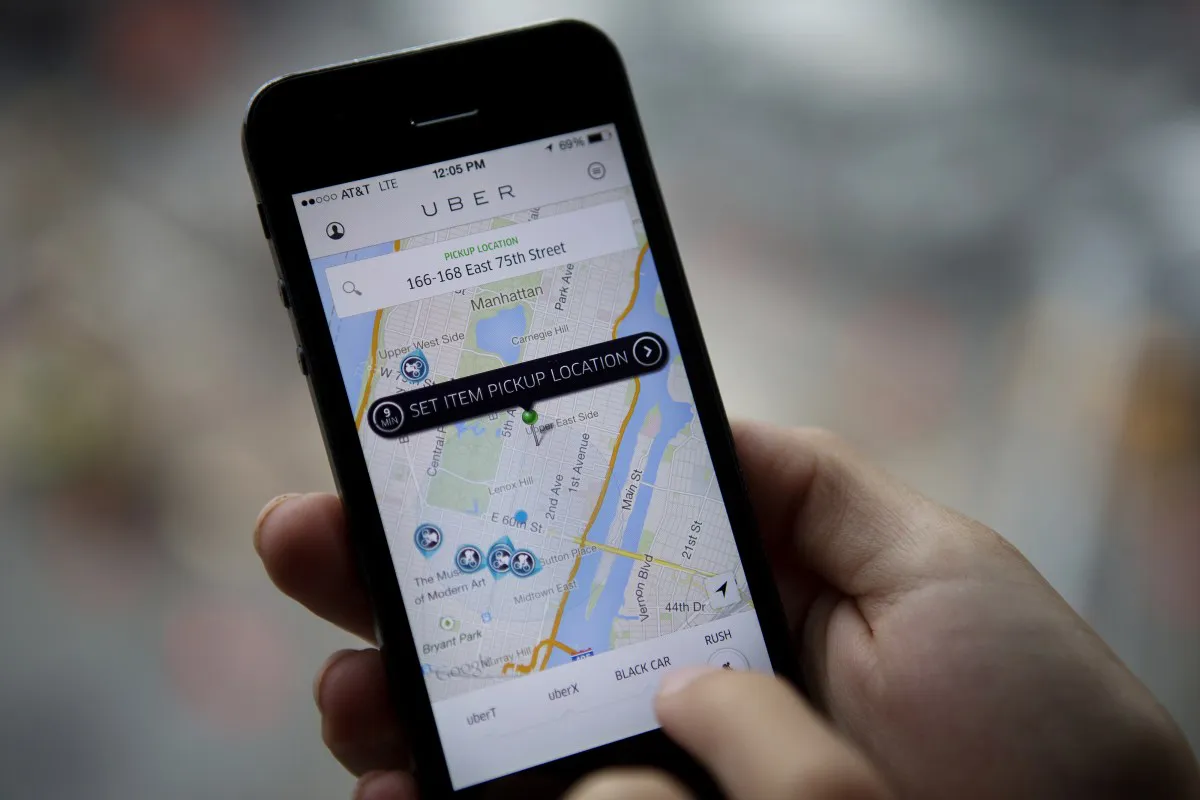
Uber's $1 Billion Fine: The Implications of Automated Driver Suspensions
Uber is facing a staggering fine of nearly $1 billion due to automated suspensions of driver accounts. This article delves into the implications of this decision for gig economy workers, regulations, and the future of automated systems in the workplace.
Related articles






Popular in Cybersecurity
- Federal Mandate for Autonomous Vehicles: A Call for Safety Compliance
- EU Mandates Google to Share Data and Open AI on Android: What It Means
- GitHub Revamps Bug Bounty Program: Implications for Developers and Security
- Australian Government Disables Thousands of Functional Broadband Routers: A Wasteful Decision
- Exploiting Redis: Understanding Zero-Day Vulnerabilities and Their Mitigation