Romania's Defense Against Russian Drone Threats in the Black Sea
Romania recently thwarted a potential disaster by destroying a Russian drone boat near a crucial gas platform. This incident highlights the escalating tensions in the Black Sea and the implications for European energy security.
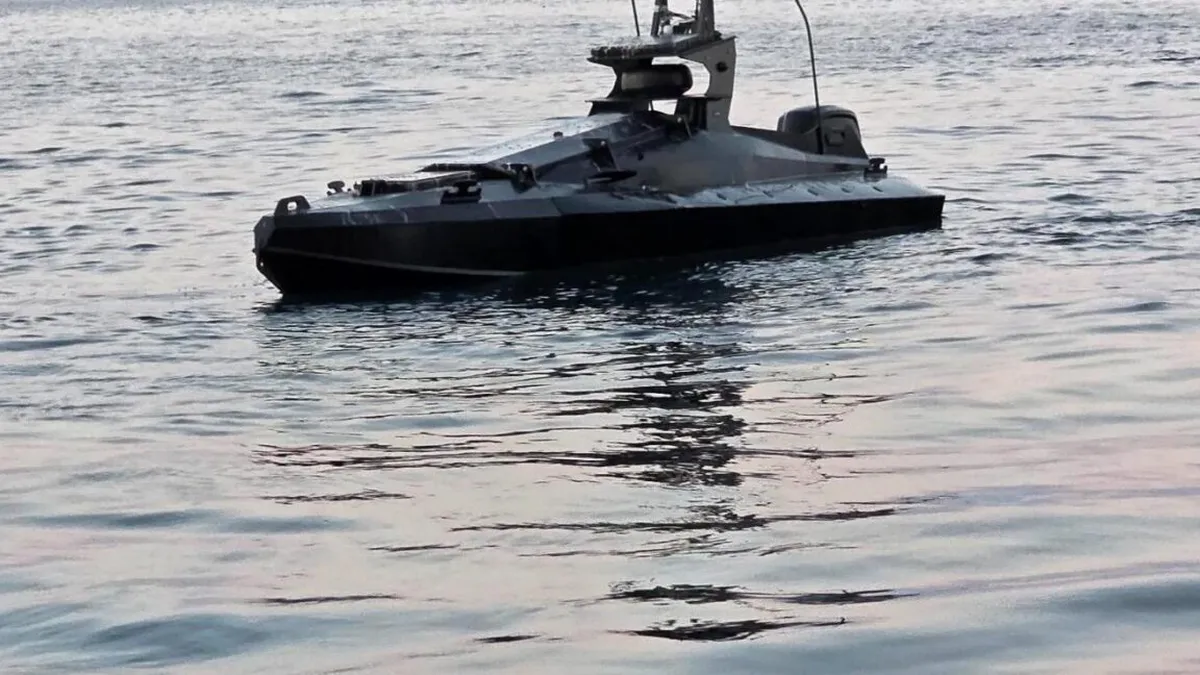
The Black Sea is becoming an increasingly volatile region, especially as geopolitical tensions escalate between Russia and NATO countries. Recently, Romania took decisive action to protect its vital energy infrastructure when it intercepted and destroyed a Russian drone boat near the Neptun Deep gas platform, a project that promises to significantly boost Romania's position as a major gas producer in the European Union. This incident not only underscores the immediate threats posed by hostile drone technology but also casts a spotlight on the broader implications for energy security in Europe.
On August 20, 2026, a Romanian F-16 fighter jet successfully disabled a drone boat loaded with explosives, which was detected just a few hundred meters from the Neptun Deep drilling platform. The swift response by Romania's military came as a precautionary measure to safeguard the lives of the several hundred workers present at the site, as well as to protect critical energy infrastructure that will play a crucial role in Europe's energy landscape by 2027.
Understanding the Neptun Deep Gas Project
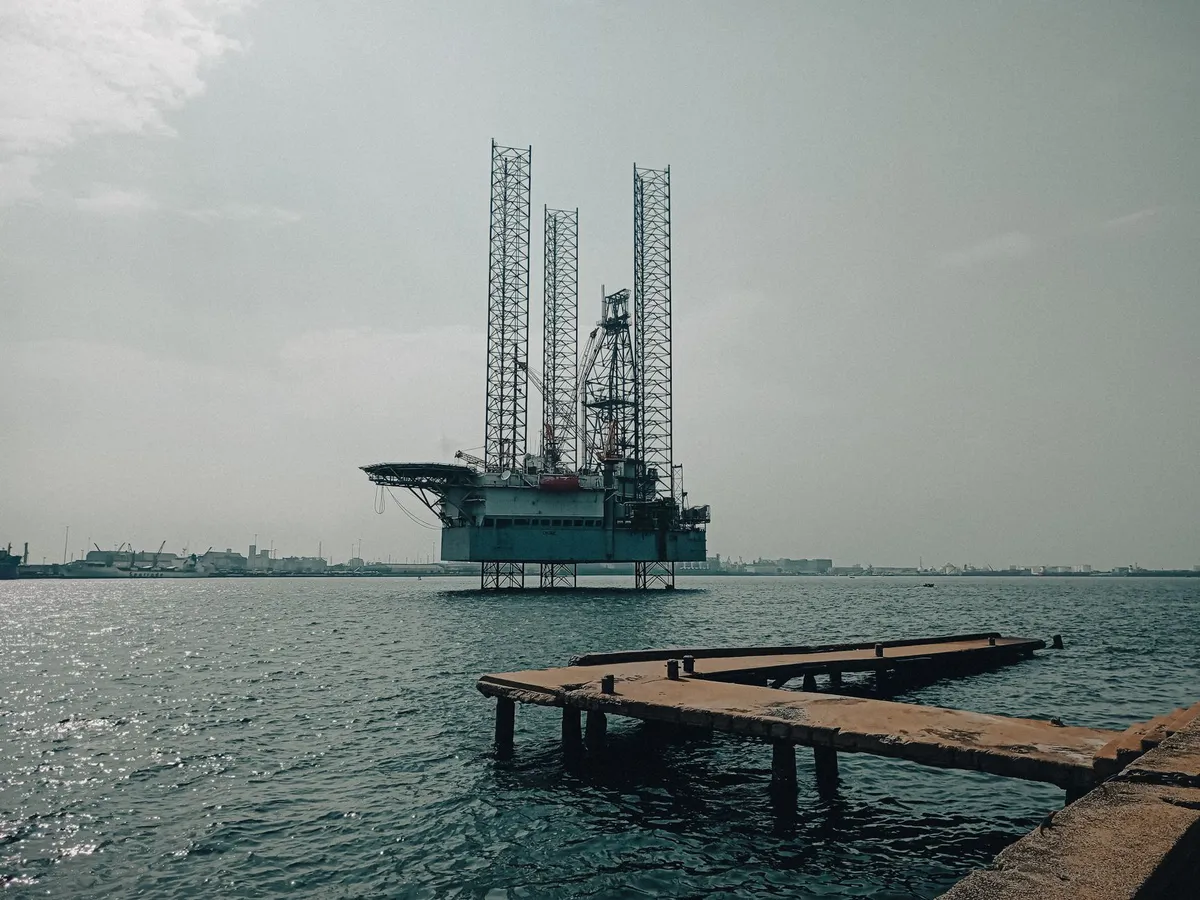
The Neptun Deep project is a significant offshore gas initiative located in the Black Sea, promising to double Romania's natural gas production. Once operational, it is expected to produce approximately 10 billion cubic meters of natural gas annually, which will support energy needs not just in Romania but also in neighboring countries like Germany and Moldova. The urgency to protect such a crucial asset cannot be overstated, particularly in the context of Europe's ongoing energy challenges exacerbated by the war in Ukraine.
- Expected to become operational by 2027.
- Will significantly increase Romania's gas output, positioning it as a top EU supplier.
- Vital for energy security across Eastern Europe, especially amid reduced supplies from Russia.
The Incident: A Closer Look
The drone boat was identified by the Romanian Coast Guard and was promptly engaged by the military, which deployed two F-16 fighter jets. Defense Minister Radu Miruță reported that the drone was successfully disabled using cannon fire, allowing explosive ordnance experts to carry out a controlled detonation. This decisive action was not only about neutralizing a potential threat but also about sending a clear message regarding Romania's commitment to its national security and the safety of its workers.
This incident was not isolated; it followed another occurrence just days earlier, where two Russian-made drones were destroyed near the same site. These repeated incursions have raised alarms within the Romanian government, with President Nicușor Dan directly blaming Russia for the provocations. He condemned the actions as irresponsible and reaffirmed Romania's commitment to working alongside NATO allies to address such threats.
The Broader Context: Geopolitical Tensions in the Black Sea
The Black Sea has become a hotbed of military activity since Russia's full-scale invasion of Ukraine in 2022. Both Ukraine and Russia have increasingly utilized drone technology to gain tactical advantages, leading to a series of confrontations in the region. Ukraine has successfully employed drones and missiles to target Russian naval assets, while Russia has conducted its own drone strikes against Ukrainian infrastructure.
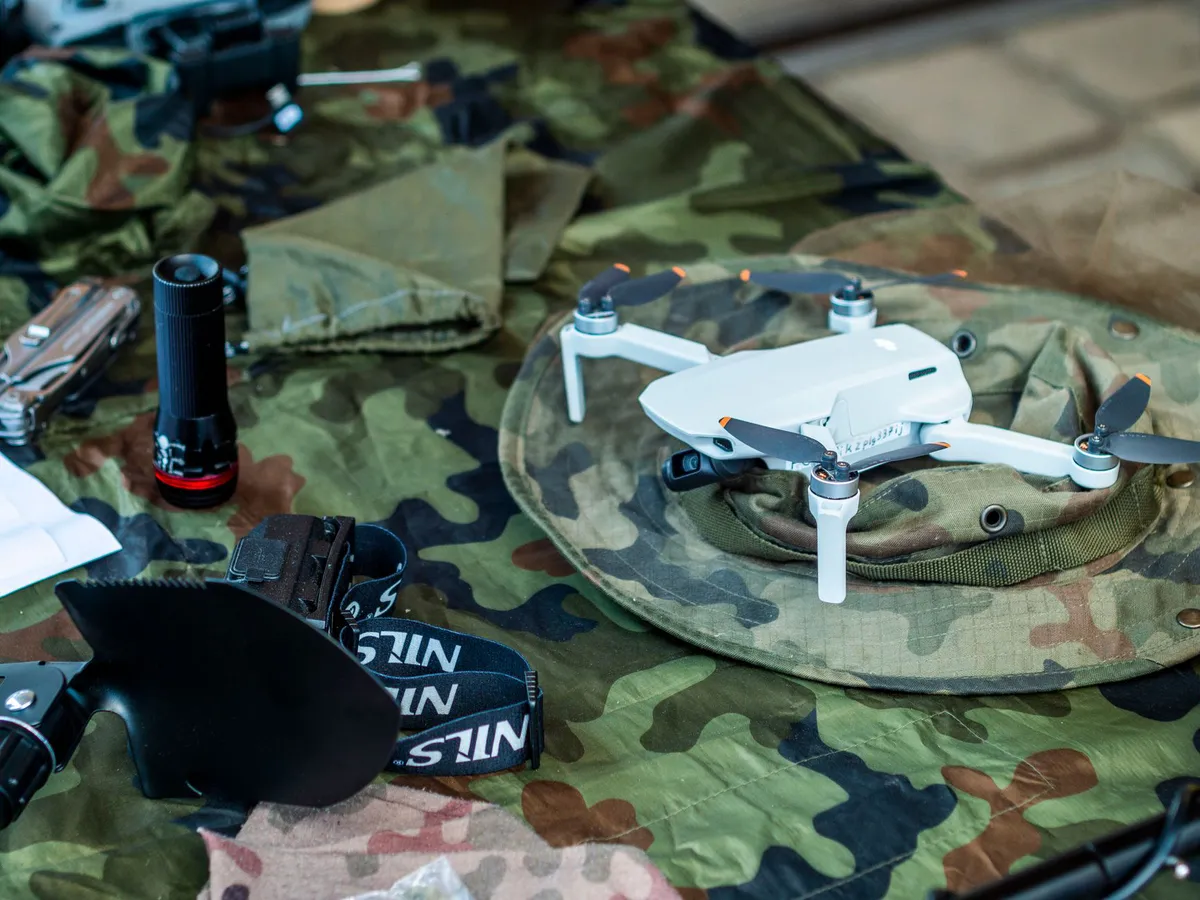
Romania's experience highlights a troubling trend: drone technology has emerged as a critical component of modern warfare, allowing smaller nations like Ukraine to challenge larger military forces effectively. For instance, Ukrainian drone strikes have disrupted Russian shipping, affecting both energy supplies and grain exports, which are vital for global food security.
Implications for European Energy Security
The repercussions of these incidents extend beyond immediate military concerns; they pose significant risks to Europe's energy security. The Neptun Deep project is not only crucial for Romania but also for the entire European Union as it seeks to reduce its dependency on Russian gas. The project's success or failure could have far-reaching implications for energy prices and supply stability across Europe.
As tensions escalate, the need for NATO allies to bolster their defenses in the region becomes increasingly apparent. European countries must enhance their surveillance and defense capabilities to safeguard key energy infrastructure against potential threats. The growing reliance on drone technology also necessitates the development of counter-drone measures to protect critical assets.
The Role of NATO and International Cooperation
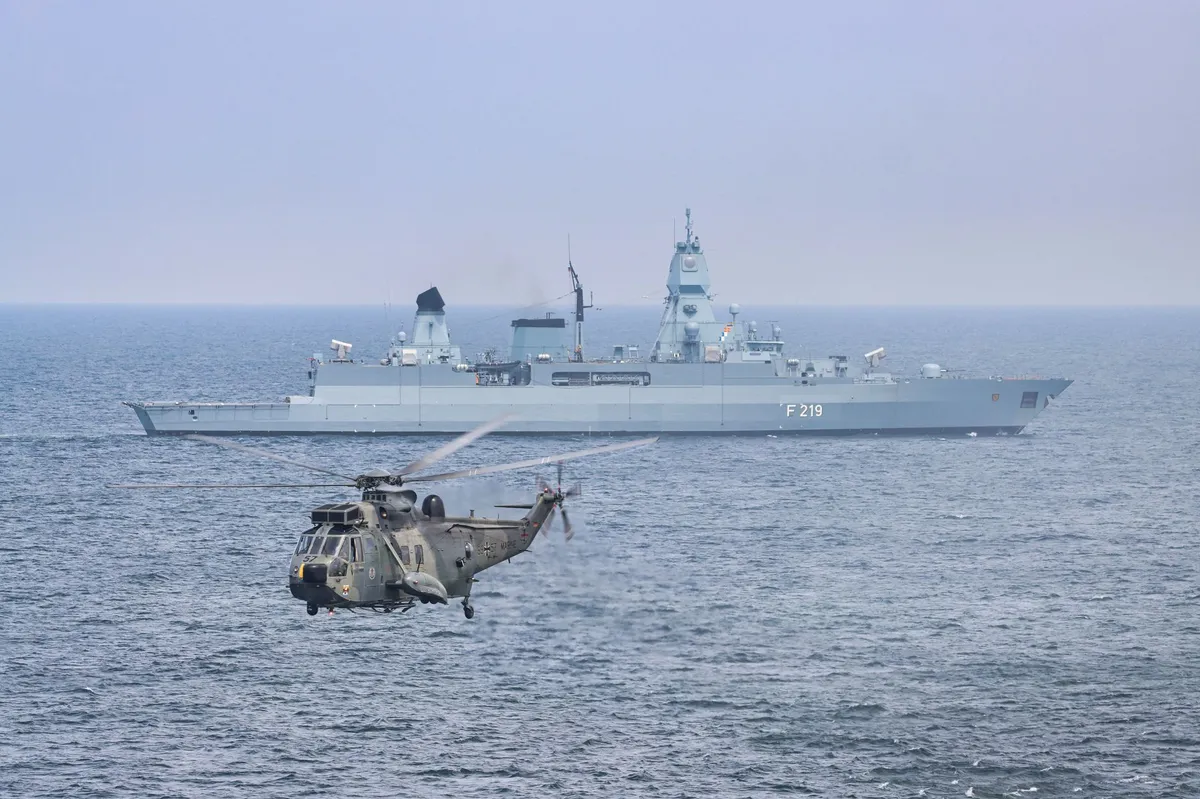
Romania's response to the drone threat demonstrates the importance of international cooperation in addressing security challenges in the Black Sea. NATO's presence in the region is vital for deterring aggression and providing support to member states facing threats. The recent deployment of Spanish F-18 fighter jets to Romania highlights the collaborative efforts of NATO allies to ensure regional stability.
Furthermore, information sharing and joint military exercises among NATO countries can enhance situational awareness and readiness to respond swiftly to evolving threats. The need for a unified approach to security in Eastern Europe has never been more pressing, as new technologies continue to reshape the battlefield.
Key Takeaways
- Romania successfully neutralized a Russian drone boat threat near its Neptun Deep gas project, highlighting the rising tensions in the Black Sea.
- The Neptun Deep project is expected to double Romania's gas production, benefiting European energy security.
- Drone technology has become a significant factor in modern warfare, necessitating enhanced defense strategies.
- International cooperation, particularly through NATO, is crucial for addressing security challenges in the region.
Frequently Asked Questions
What is the significance of the Neptun Deep gas project?
The Neptun Deep gas project is crucial because it will significantly increase Romania's natural gas production, making it a key player in the European energy market. With production expected to start in 2027, it will help reduce reliance on Russian gas supplies, thus enhancing energy security across Europe.
How does drone technology impact modern warfare?
Drone technology has revolutionized modern warfare by enabling smaller nations to effectively challenge larger military forces. Drones provide the ability to conduct surveillance, gather intelligence, and execute strikes with minimal risk to personnel. Their low cost and versatility make them attractive tools for asymmetric warfare, as seen in the ongoing conflict between Ukraine and Russia.
What role does NATO play in the security of Eastern Europe?
NATO plays a critical role in ensuring the security of Eastern Europe by providing a framework for collective defense. The presence of NATO forces helps deter aggression from adversaries and provides member states with the support needed to address security challenges. Additionally, NATO facilitates cooperation among its members through joint exercises and information sharing, enhancing overall readiness and situational awareness.
Comments
Uber's $1 Billion Fine: The Implications of Automated Driver Suspensions
Uber is facing a staggering fine of nearly $1 billion due to automated suspensions of driver accounts. This article delves into the implications of this decision for gig economy workers, regulations, and the future of automated systems in the workplace.

Related articles







Popular in Cybersecurity
- Federal Mandate for Autonomous Vehicles: A Call for Safety Compliance
- EU Mandates Google to Share Data and Open AI on Android: What It Means
- GitHub Revamps Bug Bounty Program: Implications for Developers and Security
- Australian Government Disables Thousands of Functional Broadband Routers: A Wasteful Decision
- Exploiting Redis: Understanding Zero-Day Vulnerabilities and Their Mitigation